


Posts by Medilab An

Bioinformatics: An Intellectual Revolution in Medicine and Life Sciences

Definition and essence of bioinformatics Bioinformatics is an interdisciplinary science that combines biology, computer science, mathematics and statistics to analyze biological data. The main task of bioinformatics is to collect, store, analyze and interpret biomedical information using computer methods. This direction has become especially relevant after the launch of the Human Genome Project, which revealed the need for efficient processing of huge arrays of genetic data. Main directions of bioinformatics Genomics and DNA sequence analysis Bioinformatics allows you to identify mutations associated with the risk of developing hereditary diseases or malignant neoplasms. Using algorithms, it is possible to quickly analyze millions of nucleotide pairs in the genome. Proteomics Analysis of protein structures, their functions and interactions in the cell. Important for the development of new drugs and the study of disease mechanisms. Molecular modeling The use of 3D models to predict protein structures or drug interactions with receptors. This is a key step in pharmaceutical research. Systems biology Models entire biological systems, such as immune responses or metabolic pathways, to predict how an organism will respond to...

Hormonal testing: why, when and how to take the test
Fatigue for no reason, sleep problems, mood swings, excess weight or acne? Often we look for the answer in diets, cosmetics or anti-stress tips. But sometimes the source of the problem is much deeper. Everything in the body works as a coordinated mechanism, and a "disruption" in the settings at the hormone level can affect the physical and psycho-emotional state. Therefore, checking your hormonal background is not a fashionable fad, but a real tool for maintaining health. What is hormonal background? Hormonal background is the balance of biologically active substances that regulate the functioning of almost all body systems: reproductive, nervous, endocrine, cardiovascular. Even a slight shift in hormone levels can cause serious disorders - from insomnia to infertility. When to pay attention to hormones The need to check your hormonal background arises with the following symptoms: unstable menstrual cycle weight change for no apparent reason acne in adulthood hair loss mood swings, anxiety, apathy decreased libido infertility or problems with...

The intestinal barrier: how the gut protects the body and what happens when it "leaks"«
What is the intestinal barrier? The intestinal barrier is a multi-layered defense system that separates the internal environment of the body from the contents of the intestine. Normally, it only allows beneficial substances to pass through: nutrients, water, electrolytes. At the same time, the barrier blocks microorganisms, toxins, and undigested food particles. The barrier consists of several layers: Microbiota is the "first line" of defense that fights pathogens Mucus layer - covers the epithelium, contains mucins and immunoglobulins Epithelial cells - are connected by tight junctions Immune cells (Peyer's patches, macrophages, IgA) - respond to disruptions in integrity When all levels work together, the body does not react aggressively to food or bacteria. Problems begin when the barrier loses its selective permeability. Symptoms of intestinal barrier disruption: chronic bloating, rumbling, discomfort after eating; food intolerance (especially gluten, milk); frequent colds, decreased immunity; "brain fog", fatigue, irritability; skin manifestations - acne, atopy, eczema; predisposition to autoimmune diseases...

Nutrient testing: why is it needed and how is the examination performed?
Nutrients are substances necessary for the body to ensure vital functions: energy expenditure, growth, tissue renewal, immunity and metabolism. Nutrients include macronutrients (proteins, fats, carbohydrates), micronutrients (vitamins, minerals), as well as other biologically active components. A deficiency or excess of these substances can lead to health disorders, reduced performance and the development of chronic diseases. Who is a nutrient test indicated for? People with chronic fatigue, apathy, or sleep disorders Patients with skin, hair, or nail problems Those who follow a vegetarian or vegan diet Women during pregnancy or lactation Teenagers during active growth Elderly people Those who take medications that affect vitamin absorption for a long time In the presence of chronic diseases of the gastrointestinal tract Which nutrients are most often tested Vitamin D - affects bone condition, immunity, mood Ferritin (iron stores) - a key indicator in case of suspected anemia Cyanocobalamin (vitamin B12) - important for nervous...

Adrenaline blood test: when the stress hormone becomes a marker of disease
What is adrenaline and why should it be measured? Adrenaline is a catecholamine produced by the adrenal glands in response to stress, pain, hypoglycemia, or exercise. It is one of the key hormones that activate the «fight or flight» response: it increases heart rate, blood pressure, glucose levels, and stimulates the release of energy from depots. However, normally its level rises and falls rapidly, leaving no lasting traces. When adrenaline is constantly elevated or is produced unnecessarily, this may indicate endocrine or neurological disorders. Why take an adrenaline test? A blood test for adrenaline is prescribed if there is suspicion of: pheochromocytoma - a tumor of the adrenal glands that produces catecholamines panic disorders, tachycardia of unknown origin hypertension that does not respond to treatment increased sweating, tremor, anxiety without a cause differential diagnosis of autonomic disorders The test can also be used as part of an extended study of adrenal hormones. How is the analysis performed? Venous blood is donated, less often - urine (daily...

Karyotyping: How chromosome analysis helps understand health
«Why can’t we have a child?» – this is often the beginning of the path to karyotyping Couples who have been trying to get pregnant for a long time, women after miscarriages, parents of a child with genetic abnormalities – they are the ones who most often learn about a study called karyotyping. This analysis does not show glucose levels or hormones – it shows the architecture of human chromosomes, that is, the deepest level of our body’s structure. Sometimes it is there – in changes invisible to the eye – that the cause of many medical problems lies. What is karyotyping Karyotyping is a cytogenetic study that allows you to see the number, shape and structure of chromosomes in human cells. Normally, a person has 46 chromosomes (23 pairs), of which one pair determines sex (XX in women, XY in men). The study allows you to detect: extra or missing chromosomes translocations (exchange of sections between chromosomes) inversions (reversal of fragments) duplications or deletions (excess or absence of parts of DNA) When is karyotyping prescribed Infertility...

Cardiovascular Risk Analysis: How Blood Can Prevent Heart Disease
What is cardiovascular risk? Cardiovascular risks are the probability of developing events related to the heart and blood vessels: heart attack, stroke, thrombosis, heart failure. In international practice, it is customary to assess the risk not after the fact of the disease, but in advance, even when a person still feels well. Blood has the ability to store "traces" of future problems. Even a slight increase in certain markers may indicate the beginning of processes that will lead to serious complications over the years. Why take the test if nothing hurts? A heart attack in 70% cases occurs in people without a previous diagnosis. Clogging of blood vessels (atherosclerosis) lasts for years without causing symptoms. Type 2 diabetes, metabolic syndrome, and obesity are often detected only after changes in laboratory parameters. Blood markers allow you to see what is not visible on an ECG or ultrasound. What indicators are evaluated when an increased risk is suspected? This is not one analysis, but a comprehensive assessment of several parameters that together form a "cardioprofile": Lipid spectrum: ...
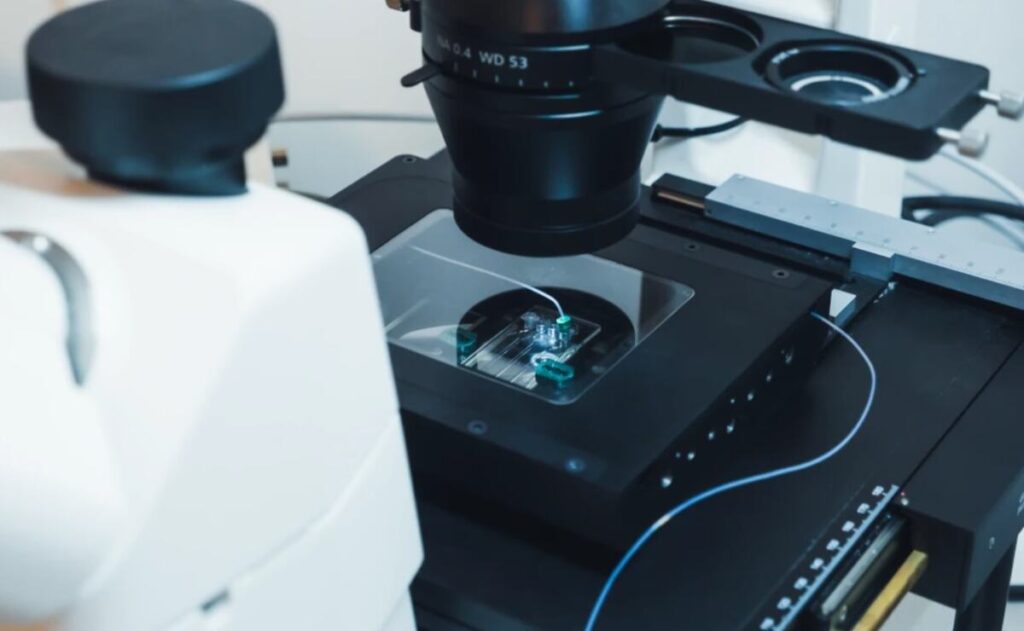
Digital microscopy: a new era of diagnostics, education and science
Imagine that a microscope is no longer just an optical device, but a full-fledged digital tool that allows you not only to observe the microworld, but also to work with it interactively: to magnify, analyze, measure, record, send images to other corners of the world. This is how digital microscopy functions, which today is changing the rules of the game in science, education, pharmacy and medicine. Principle of operation and technical capabilities Digital microscopy combines a traditional optical system with a digital camera and specialized software. The image of the object is displayed not in the eyepiece, but on the monitor of a computer or mobile device. This approach allows you to: store high-precision digital images; perform computer processing: contrasting, color marking, segmentation; measure structures and areas without manual counting; use artificial intelligence to recognize cells or pathological changes. Areas of application and examples Medicine Oncology: histological tissue samples are analyzed with an accuracy of up to 0.5 microns. For example, at the Charité clinic in Berlin, digital microscopes are used for automatic recognition...

Allergocomponent diagnostics: how to identify the true allergen with molecular accuracy
Allergy is one of the most common diseases of the 21st century. It affects millions of people around the world, manifesting itself in various ways: from the common cold to anaphylaxis. However, classical diagnostic methods do not always allow us to accurately determine the true cause of an allergic reaction. This is where allergocomponent diagnostics comes to the rescue - an innovative approach that allows us not only to identify the allergen, but also to understand which protein fraction the body is reacting to. What is allergocomponent diagnostics? This is a modern method of laboratory diagnostics based on the detection of specific IgE antibodies to individual protein components of the allergen. Unlike traditional tests that show a general reaction to a product or substance (for example, pollen or milk), component diagnostics allows us to determine which protein from the composition of this allergen causes symptoms. This is critically important, since one allergen can contain dozens of proteins, and not all of them are dangerous for a particular person. How the method works The method is based on the analysis of a venous blood sample....
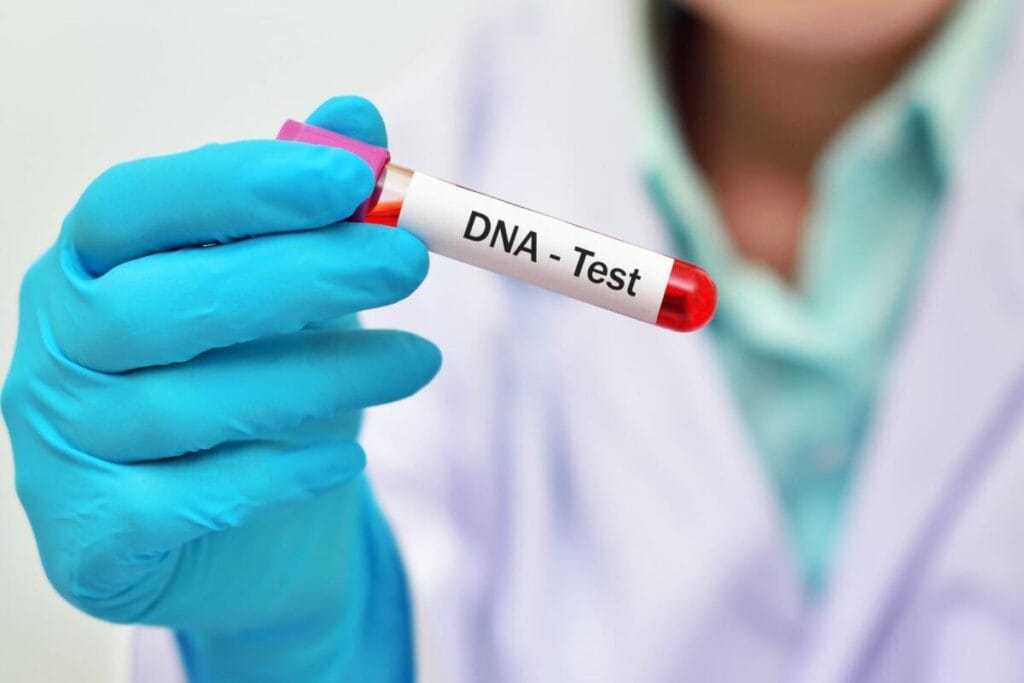
DNA diagnostics: personalized medicine based on genetics
DNA diagnostics is a modern method of medical genetics that allows you to detect hereditary diseases, mutations, predisposition to chronic diseases and reactions to medications. This study is based on the study of a person's individual genetic information and is of great importance for a personalized approach in medicine. According to Dr. Olga Sirenko, MD: "A genetic test gives the doctor the key to preventing problems that have not yet had time to appear." What DNA diagnostics reveals DNA testing allows you to detect: the presence of mutations responsible for hereditary diseases (cystic fibrosis, SMA, phenylketonuria); genetic predisposition to oncological, cardiovascular, endocrine disorders; genetic features of metabolism; individual sensitivity to drugs (pharmacogenetics); hereditary factors of infertility; chromosomal abnormalities of the fetus (with non-invasive prenatal diagnosis); kinship (paternity tests, kinship, genealogy). Indications for DNA analysis DNA analysis is recommended in the following cases: the presence of hereditary diseases in the family; suspicion of a genetic disease in a child; pregnancy planning; selection of therapy for chronic diseases; oncological alertness; establishing kinship; inexplicable symptoms that do not...
