


Medilab+

Genital herpes: what you need to know about the virus that lives nearby

«"Is it just a rash?" is the most common question in a dermatovenerologist's office. Genital herpes is often detected not during an examination, but... at an unexpected moment:...
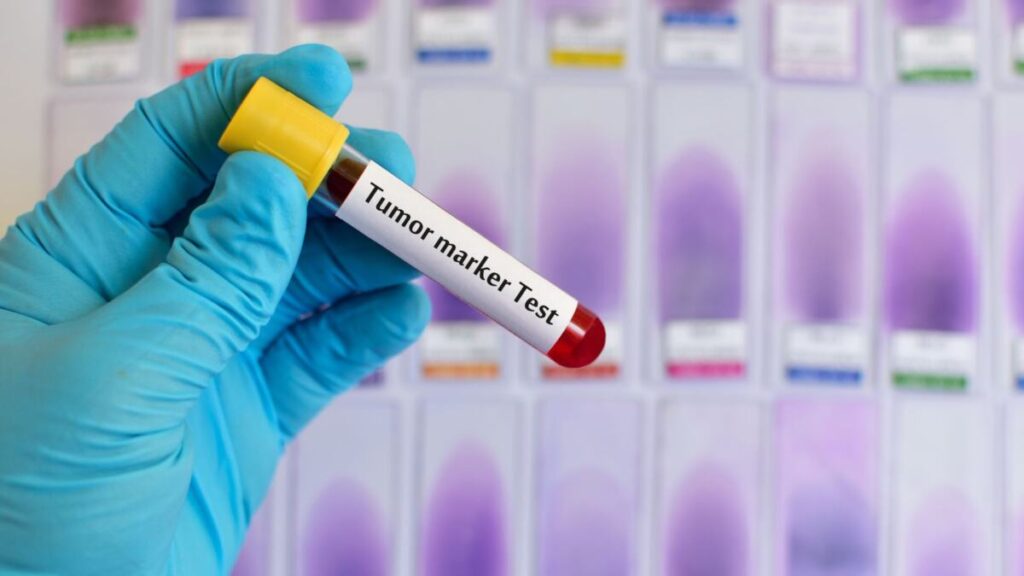
Brain tumor markers: what tests help to suspect oncology
«"MRI is not always the first." Why laboratory diagnostics are important in neuro-oncology Most patients associate brain tumors exclusively with magnetic resonance imaging. However, there are still...

Retinol level: what the analysis shows and how to monitor it
Retinol, or vitamin A, is a fat-soluble compound that performs a number of important functions in the human body. Its blood level...

Dog allergies: answers to frequently asked questions
Why do people get allergic to dogs? Dog allergies occur when a person's immune system reacts to proteins produced by the animal's body. These...

Chronic stress: a hidden health threat we tend to ignore
How to distinguish fatigue from a dangerous condition Daily overload, news, deadlines, conflicts, lack of rest — all this has long become a part of everyday life....

Cancer genetics: how genes influence the development of cancer
What is cancer genetics Cancer genetics is a branch of medicine and biology that studies changes in DNA that can lead to...

Serotonin levels: why the «happiness hormone» is important for the whole body
What is serotonin and what role does it play? Serotonin is a chemical that acts as a neurotransmitter in the brain and as...

Disease prevention: health is not in a pill, but in the decision to act early
In today's world, where access to medicine is improving every day, the greatest value is still not in treatment, but in disease prevention. We...

Disease biomarkers: a new era of precision medicine

What are biomarkers and why are they needed? Biomarkers (or biological markers) are objective, measurable indicators that reflect a physiological or pathological...
