


Medilab+

Blood test for hormones: how to prepare for an accurate result

Why you can't take hormones "on the go" Anya decided to check her thyroid hormone levels because she had been feeling tired and...
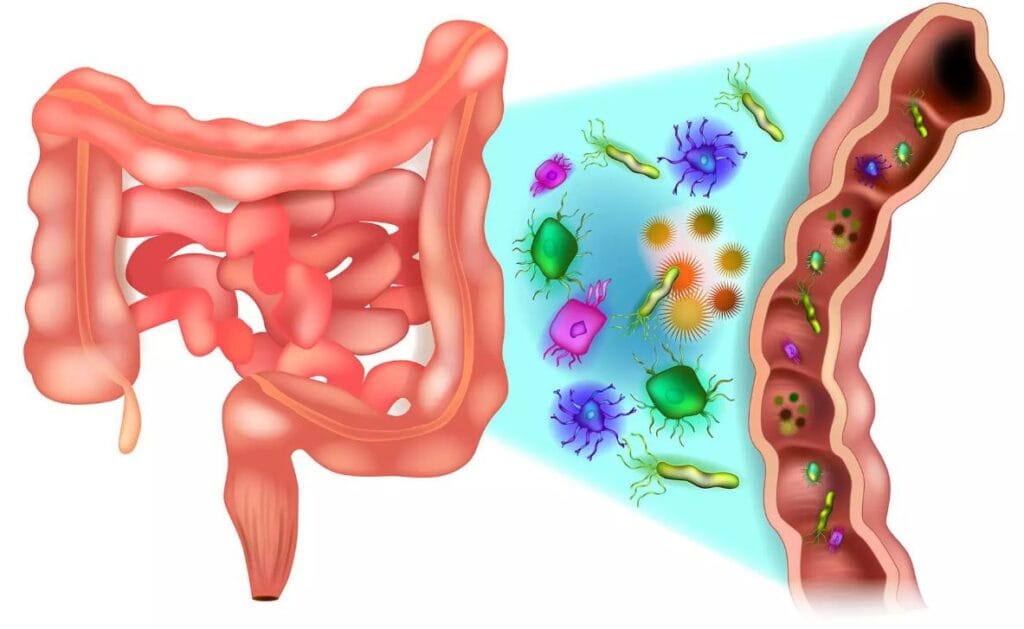
Intestinal dysbacteriosis: we answer the main questions of patients
What is intestinal dysbiosis? Intestinal dysbiosis is not a separate disease, but a condition in which the quantitative and qualitative ratio of microorganisms changes...

Diagnosis of trichomoniasis: modern methods of detecting infection
What is trichomoniasis? Trichomoniasis is a sexually transmitted disease caused by the protozoan Trichomonas vaginalis. It is transmitted mainly sexually and affects...

Tumor marker CA-19-9: not only about pancreatic cancer, or what this analysis really shows
Tumor markers are biochemical signals that can help a doctor notice in time that a pathological process is occurring in the body. One of the most famous...
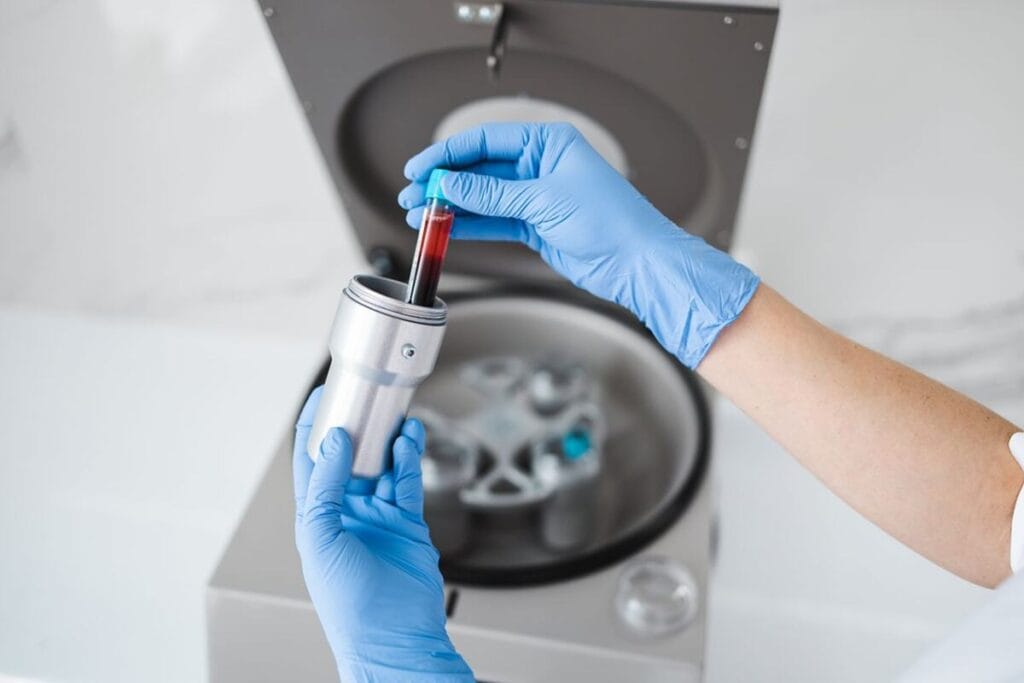
Potassium level: why this indicator is critically important for health
Potassium in the blood: biological essence and role Potassium is one of the leading intracellular electrolytes. It regulates the excitability of nerve fibers, muscles...
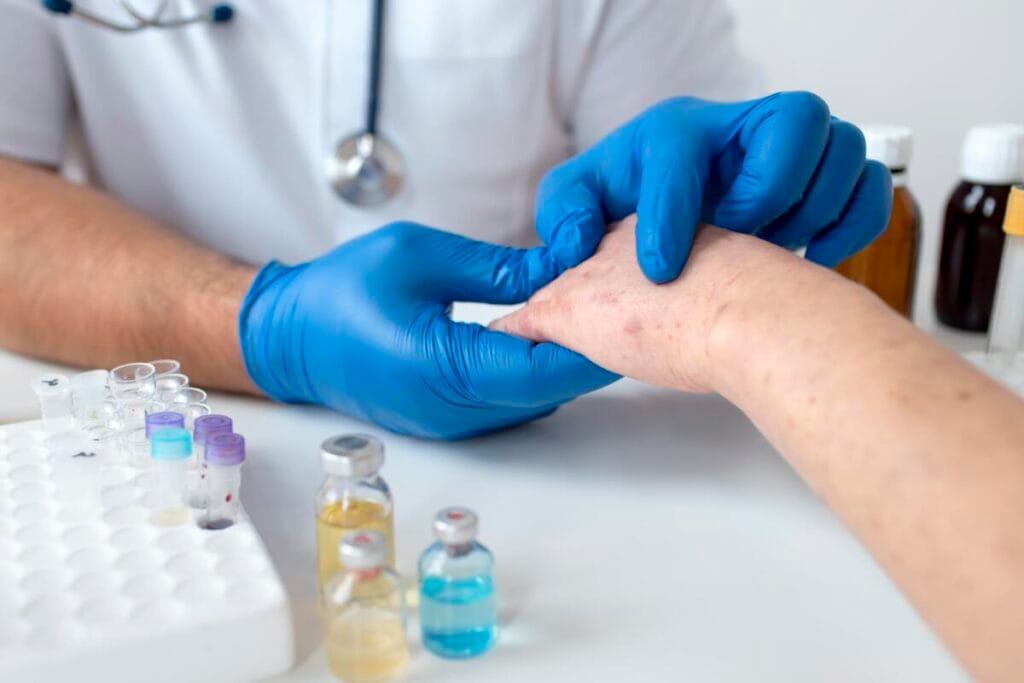
Allergen panel: modern laboratory diagnostics for accurate allergy detection
Relevance: why allergy diagnostics need new solutions Allergy is one of the most common chronic pathologies in the world. According to WHO estimates, allergic reactions...

Psychosomatic diseases: when the body speaks instead of emotions
What are psychosomatic diseases? Psychosomatic diseases are pathologies in which psychological factors (stress, emotional tension, conflicts) play a key role in...

Laboratory tests: questions and answers that everyone should know
What are laboratory tests? These are medical tests that are performed on human biological materials - blood, urine, feces, smears, sputum, tissues, etc....
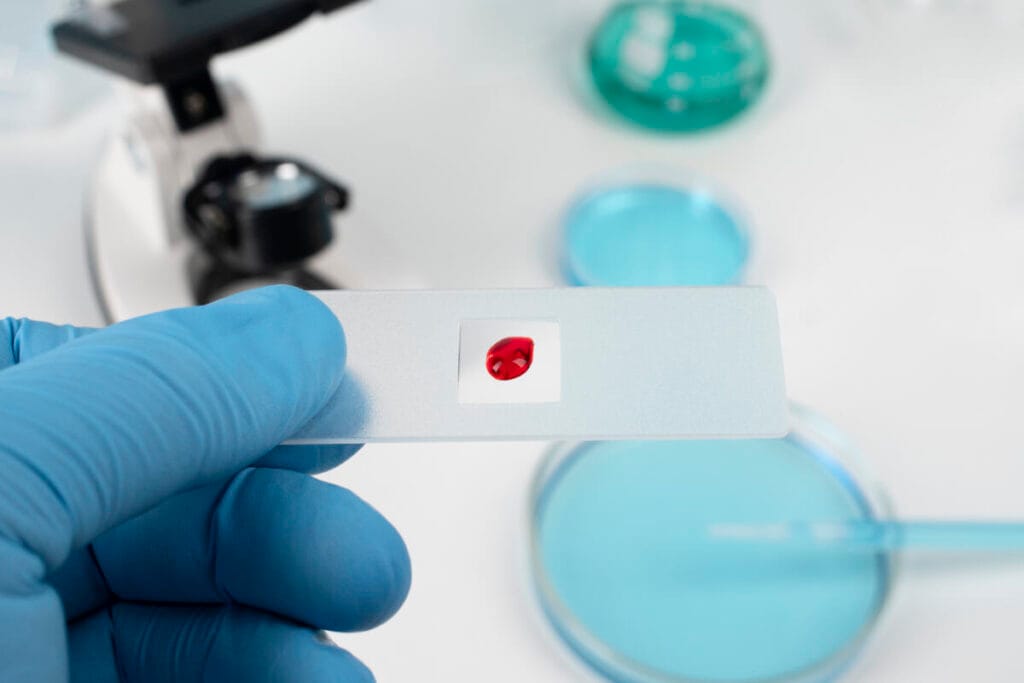
Oncogenetics: How Genes Affect the Risk of Cancer
What is oncogenetics? Oncogenetics is a branch of genetics that studies inherited and acquired mutations in genes that can affect the risk of...
