


Medilab+

Blood sugar test: how to detect glucose metabolism disorders in time

Changes in blood glucose levels can go unnoticed for a long time, but they are often the first signal of serious malfunctions in the body. A blood sugar test is a simple and affordable procedure that allows you to identify risks in a timely manner and prevent the development of diabetes or other metabolic disorders. When to pay attention to symptoms Hyperglycemia or hypoglycemia are not always obvious. However, some symptoms may indicate the need to immediately take a blood sugar test: constant thirst frequent urination, especially at night sudden fatigue and weakness inexplicable weight loss or, conversely, weight gain blurred vision prolonged wound healing As endocrinologist Dr. Anton Koval notes: "The earlier we detect abnormalities in glucose levels, the more chances we have to avoid serious complications, including cardiovascular diseases." What does a blood sugar test show? The study allows you to assess: the baseline fasting glucose level, the body's ability to utilize glucose after exercise (glucose tolerance test), the average level...

Non-invasive diagnostics: medicine without pain, risk and anxiety
A modern look at comfortable diagnostics A trip to the doctor is no longer associated with pain or fear. Today, body examination is possible without needles, anesthesia or surgical intervention. Non-invasive diagnostics is a health check that does not require intervention in the body. The doctor receives a complete picture of the condition of the internal organs, and the patient feels safe and calm. What is non-invasive diagnostics? These are examination methods that do not require punctures, incisions or penetration into the patient's body. They are based on: imaging (MRI, ultrasound, CT) biochemical analysis (PCR, liquid biopsy) electrophysiology (ECG, EEG) sensory monitoring (pulse oximetry, wearable devices) Thanks to these methods, doctors receive important diagnostic data quickly, painlessly and without risks. The most common non-invasive methods Ultrasound examination (US) - basic, inexpensive and accurate examination for the abdominal cavity, thyroid gland, heart, kidneys, pregnancy Magnetic resonance imaging (MRI) - ideal image of soft tissues, spine, brain, internal organs Computed tomography (CT) - layer-by-layer visualization of the lungs, head,...

Glucose tolerance test: questions and answers
This article contains answers to the most frequently asked questions about the glucose tolerance test (GTT) — an important study for detecting glucose metabolism disorders. The FAQ format allows you to quickly navigate even without medical training. What is a glucose tolerance test and why is it performed? The glucose tolerance test (abbreviated as GTT) or glucose load test is a laboratory test that helps assess how the body processes glucose. It determines the effectiveness of insulin — a hormone that regulates blood sugar levels. This test allows you to detect carbohydrate metabolism disorders even before clinical symptoms appear. This is especially important in the context of the rapid increase in the number of people with prediabetes, which, according to the CDC, more than 1 in 3 adults in the United States have. In Ukraine, the situation is similar: thousands of people live with impaired glucose metabolism without suspecting it. Who is recommended to undergo GTT? People with elevated fasting glucose. For people with overweight, hypertension or high cholesterol. For women...

Laboratory genetics: diagnostics that start with DNA
What is laboratory genetics Laboratory genetics is a branch of medical diagnostics that studies a person's hereditary information at the molecular level. It includes the study of DNA, RNA, chromosomes and genes in order to identify genetic diseases, predispositions to diseases, metabolic features, drug reactions and other biological features of the body. Such studies have become an important tool of modern personalized medicine, especially in the fields of oncology, reproductive medicine, cardiology, endocrinology and neurology. When is genetic testing indicated infertility or unsuccessful IVF attempts hereditary cancer in the family suspicion of hereditary diseases in a child reaction to drugs or side effects pregnancy planning developmental delay in children predisposition to metabolic disorders (diabetes, obesity) Main areas of laboratory genetics 1. Medical genetic diagnostics The study is aimed at identifying hereditary diseases. For example: A newborn child has an elevated level of phenylalanine - phenylketonuria is confirmed. A patient has a mutation in the CFTR gene - cystic fibrosis is diagnosed. A child with a speech disorder - a deletion is detected...

The nervous system and stress: how tension affects health and how to protect yourself
How the nervous system works The nervous system is a complex network that controls the functioning of all organs and systems in the body. It is divided into: Central nervous system (CNS) - the brain and spinal cord Peripheral nervous system - nerves that connect the CNS to all parts of the body Autonomic (autonomic) nervous system - regulates unconscious processes, such as heartbeat, breathing, digestion An important role in the stress response is played by the autonomic nervous system, which is divided into sympathetic and parasympathetic divisions. During stress, the sympathetic system is activated - the "fight or flight" reaction occurs. What is stress from the point of view of neurophysiology Stress is not just emotional tension. It is a neurochemical reaction in which the brain activates the hypothalamus, pituitary gland and adrenal glands (the so-called HGH axis), which leads to the release of stress hormones: adrenaline, noradrenaline and cortisol. These hormones cause: increased heart rate increased blood pressure rapid breathing vasoconstriction increased attention and reaction As chronic stress...

Seasonal allergies: how to recognize symptoms and control the condition during the flowering period
What are seasonal allergies? Seasonal allergies, or hay fever, are the immune system's reaction to pollen from plants that bloom at a certain time of year. It most often occurs in spring, summer, or early fall. Pollen from trees, grasses, and weeds enters the respiratory tract or eyes, causing symptoms similar to a cold, but without a virus. According to the Mayo Clinic, pollen allergies affect up to 30% adults and up to 40% children, and their symptoms can significantly reduce quality of life. Main symptoms of seasonal allergies Constant sneezing Nasal congestion or discharge Itching in the nose, throat, and eyes Watery, red eyes Feeling of pressure in the forehead, headache Fatigue, decreased concentration Worsening of asthma symptoms (in people with a concomitant diagnosis) In some cases, symptoms can progress to allergic rhinitis, allergic conjunctivitis, or complicate the course of bronchial asthma. What causes seasonal allergies? Spring (March–May): tree pollen (birch, alder, maple) Summer (June–August): grasses...

Copper in the blood: why it is important to monitor the level of this trace element
What is copper and what role does it play in the body? Copper is a vital trace element that participates in dozens of biochemical processes. It is needed for the synthesis of collagen, elastin, antioxidant defense enzymes, the formation of red blood cells, the functioning of the nervous system, and the absorption of iron. The body is unable to produce copper on its own, so we get it from food. An excess or deficiency of this element can affect the functioning of the heart, brain, hematopoiesis, and immunity. Why take a blood copper test? Determining the level of copper in the blood allows you to detect: disorders of microelement metabolism copper poisoning deficiency in malabsorption genetic diseases (for example, Wilson-Konovalov disease) autoimmune, neurological, and hematological disorders This test is usually prescribed when there is suspicion of liver pathology, metabolic disorders, anemia of unknown origin, or to monitor the therapy of Wilson's disease. Normal blood copper level Indicator Reference values Copper (venous blood) 11–24 μmol/l for adults Ceruloplasmin 0.2–0.6 g/l Ceruloplasmin is a protein that transports copper in...

Thyroglobulin Level: A Lifesaving Test After Thyroid Cancer
In patients after treatment of thyroid diseases, a blood test for thyroglobulin becomes not just another laboratory indicator - it is a signal that can indicate a complete recovery or the beginning of a relapse. For an ordinary person, thyroglobulin does not say anything. But for endocrinologists, it is one of the most valuable markers in monitoring the patient's condition after removal of the gland or a previous oncological disease. What is thyroglobulin and why is it measured? Thyroglobulin is a protein produced exclusively by thyroid cells. It is a precursor to the hormones T3 and T4, so it is usually present in the tissues of the thyroid gland, but not in large quantities in the blood. If the thyroid gland has been completely removed, but thyroglobulin is still present in the blood, this is a signal to the doctor that there is still thyroid tissue or even tumor cells somewhere in the body. In postoperative control, thyroglobulin is considered a specific tumor marker - its level...

STI screening: instructions for those who are concerned about their health
Sexually transmitted infections (STIs) may not show symptoms for a long time, but they can cause serious harm to the body. STI screening allows you to detect infections at an early stage and prevent the development of complications. In this material, we will tell you how to properly prepare for the examination, when it is worth undergoing it, and what diagnostic methods are used today. What is STI screening? STI screening is a comprehensive laboratory study that helps determine the presence of infectious diseases transmitted through sexual contact. Even in the absence of symptoms, the infection may be present in the body, so preventive examination is an important step towards maintaining overall health. Who is recommended to undergo screening? Screening is recommended in the following cases: after unprotected sexual contact with frequent changes of partners when planning pregnancy when symptoms appear (strange discharge, pain, itching) as part of an annual preventive examination. Main infections detected during screening During a standard examination, they usually check...
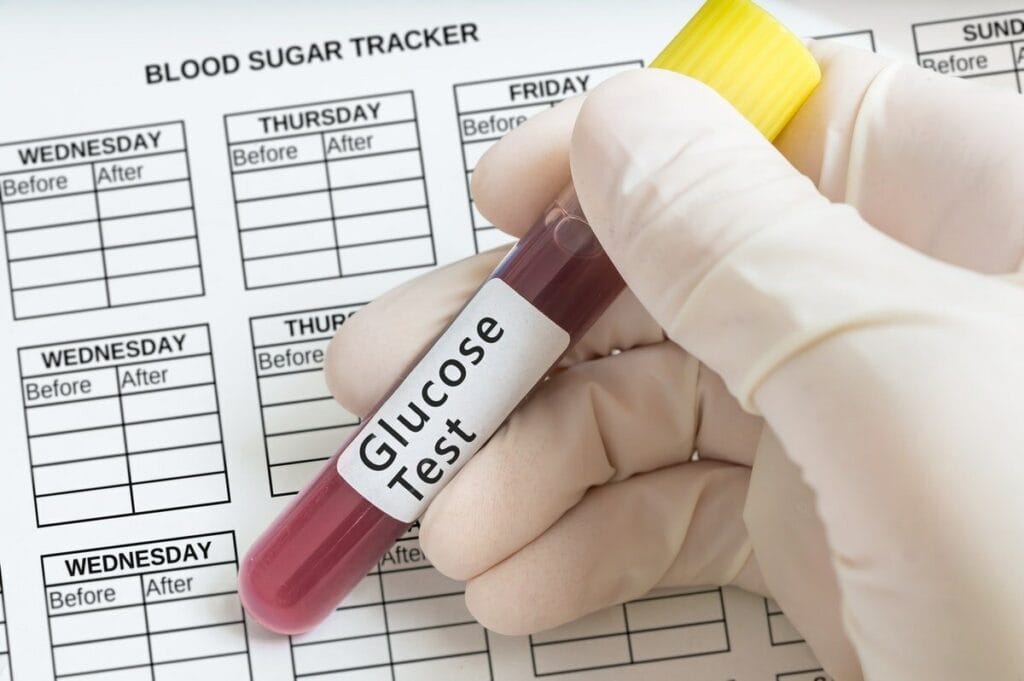
Glucose level: what you need to know before taking the test
Glucose level analysis is one of the simplest and at the same time most important diagnostic methods. It allows you to detect metabolic disorders, the risk of developing diabetes or assess the effectiveness of treatment. But many people do not even suspect how easy it is to make a mistake when preparing for such a simple test. In this article, we will tell you what mistakes patients most often make and how to properly prepare for donating blood for glucose. The most common mistakes before a glucose test Before taking the test, it is important to avoid mistakes that can distort the result: Eating or drinking before the test - even a glass of juice or a cup of coffee can change the sugar level. Physical activity the day before - training stimulates the use of glucose by the muscles. Drinking alcohol the day before the test - disrupts normal carbohydrate metabolism. Smoking before the test - nicotine increases blood sugar levels. Stressful situations before blood sampling - the release of stress hormones can change the results. These factors...
