


Medilab+

Liquid biopsy: a new era in cancer diagnosis

What is liquid biopsy? Liquid biopsy is a non-invasive method for detecting cancer cells or genetic material of a tumor in biological fluids, most often in the blood. Unlike traditional biopsy, which requires a tissue sample, liquid biopsy allows for the analysis of tumor changes without surgical intervention. The main goal is to detect circulating tumor DNA (ctDNA), tumor cells or exosomes that enter the bloodstream from the primary or metastatic focus. This method is already actively used in the USA, Europe and is being introduced into clinical practice in Ukraine, in particular within the framework of precision oncology. What fluids can be used Blood (plasma) - most often Urine - for some urological tumors Cerebrospinal fluid - for brain tumors Saliva, bile, pleural effusion - for research in some cases What liquid biopsy can detect Possibility Practical application Detection of mutations in ctDNA Selection of targeted therapy (EGFR, KRAS, BRAF, ALK and others) Determination of minimal residual disease Monitoring after surgery or chemotherapy Early diagnosis Detection of a tumor before it appears...

What you should know about blood glucose testing: analysis through real-life situations
Situation 1: «I have a headache in the morning, but I tend to fall asleep at lunchtime.» Petro, 42, an office worker. He complained of fatigue, mild dizziness in the morning, and irritability. He didn’t pay attention until he passed out on the way to work. After hospitalization, he was prescribed a blood glucose test. What is this test? This is a test that measures the level of glucose, the main source of energy for the brain and muscles. If the sugar level is higher or lower than normal, the body is experiencing a deficiency or toxic load. Situation 2: «Pregnancy is not a disease, but control is necessary» Olena at 25 weeks of pregnancy. The midwife recommended a glucose test to detect gestational diabetes. The woman felt well, but did not expect that the glucose level after a glucose load would be elevated. Why is this important? Gestational diabetes often has no symptoms, but it can affect the development of the fetus. The analysis helps prevent complications, including high birth weight or hypoglycemia after childbirth. What does a blood glucose test show? Type...
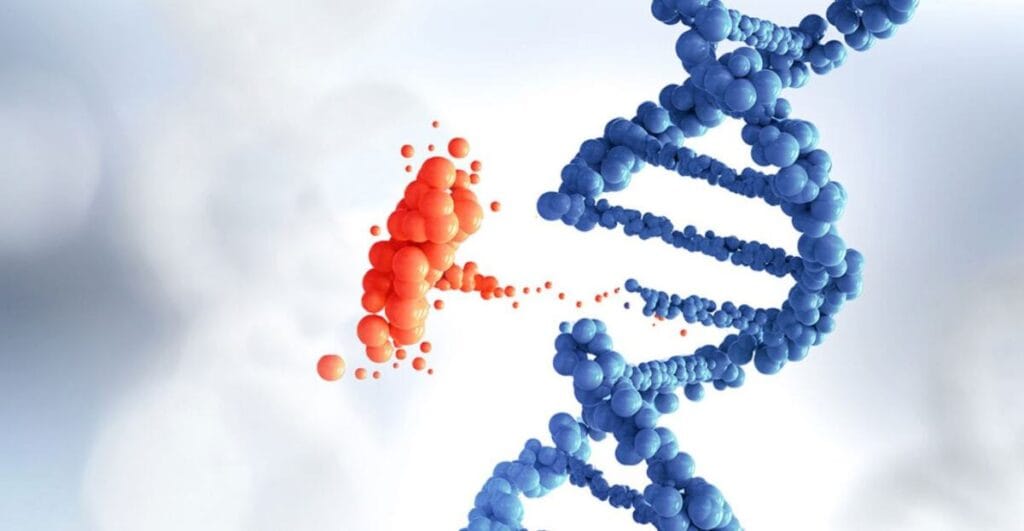
Genetic mutations: how small changes shape big consequences
Context: Why mutations are increasingly being talked about In the 21st century, genetics has ceased to be just a field of academic research. Genetic tests are offered in private laboratories, doctors study DNA before prescribing drugs, and the terms «mutation» and «variant» have become commonplace even in daily news. But what exactly does a mutation mean? And how does it affect health? Comparison: mutations are like errors in text Imagine that DNA is an instruction manual of millions of letters. Each gene is like a sentence, and a mutation is an error in one letter. Sometimes such an error does not change the meaning (neutral mutation), sometimes it leads to a broken sentence (pathogenic mutation). Types of "errors" in genes: Substitution (missense mutation): one letter is replaced by another - for example, the word "kit" becomes "lit" Deletion: a letter is dropped - "kit" → "kt" Insertion: an extra letter is added - "kit" → "klit" Nonsense mutation: the word is cut off - "kit" → "k" Example: a genetic "signature" of a hereditary disease A well-known example -...

Blood test for stress: can stress be measured in the laboratory?
Is there a blood test for stress? Stress is not just an emotional state, but a physiological reaction of the body to stimuli. It is accompanied by the release of stress hormones, changes in the nervous system, and an effect on immunity. In modern laboratory diagnostics, there is no single test that directly «measures the level of stress.» However, there are blood tests that reflect physiological markers of stress. What indicators indicate stress in the body Stress can be assessed by several biomarkers: 1. Cortisol The main stress hormone secreted by the adrenal glands. Its level increases with physical and psychological stress. Normal: 140–700 nmol/l (depending on the time of day) Increased: chronic stress, anxiety, Cushing's syndrome Decreased: adrenal exhaustion, depression 2. Adrenaline and noradrenaline Hormones that increase sharply in emergency situations. They are determined less often, but may reflect an acute stress reaction. Shown in urine or plasma Often used to diagnose pheochromocytoma 3. ACTH (adrenocorticotropic hormone) Regulates cortisol production. Increases during emotional and physical stress. 4....

Pollinosis: why "seasonal rhinitis" is a serious disease
Pollinosis: why is «seasonal rhinitis» a serious disease? Every year in April you start sneezing, your nose runs, your eyes itch?— Probably just an allergy to spring... Does it sound familiar? That’s why so many people don’t even suspect that they have pollinosis, one of the most common allergic diseases in the world. Its symptoms are often confused with a cold, and treatment is postponed, believing that it will «go away on its own.» But ignoring pollinosis can lead to chronic inflammation of the respiratory tract, bronchial asthma, and constant exhaustion. What happens to the body during pollinosis It all starts with plant pollen — microscopic particles that the patient’s body mistakenly perceives as an enemy. The immune system triggers a hyperreaction, produces histamine, and the body begins to defend itself: tearing, sneezing - to "wash out" the allergen runny nose and nasal congestion - as a result of inflammation itching and sore throat - due to irritation of the mucous membrane skin rashes or exacerbation of dermatitis - in sensitive people Pollinosis often has...

Coenzyme Q10: energy, heart and youth in every cell
Constant fatigue, lack of strength even after rest, reduced endurance or prolonged recovery from illness - all this we often attribute to age, work or stress. However, sometimes the reason is much deeper - the cells simply do not have the fuel to work properly. And this "fuel" is coenzyme Q10 - a key molecule without which the body's energy system does not work. Its deficiency can imperceptibly but seriously affect well-being. What is coenzyme Q10 and what function does it perform Coenzyme Q10 (ubiquinone) is a vitamin-like substance found in mitochondria - the energy stations of each cell. It participates in: the production of adenosine triphosphate (ATP) - the main source of energy antioxidant protection of cells from damage stabilization of cell membranes work of the heart, muscles, brain support of immunity slowing down aging processes Its action is especially important in organs with high energy needs - the heart, liver, brain, kidneys. Symptoms and consequences of coenzyme Q10 deficiency When...

ELISA analysis for infections: an accurate diagnostic method
Infectious diseases remain a serious threat to human health worldwide. Timely detection of infections allows you to start treatment at an early stage and avoid complications. One of the leading methods of laboratory diagnostics is the enzyme-linked immunosorbent assay (ELISA). In this article, we will consider its purpose, advantages and application in the diagnosis of infections. What is an ELISA test? ELISA test (enzyme-linked immunosorbent assay) is a laboratory method that allows you to detect antibodies or antigens in biological fluids, most often in the blood. Thanks to this, you can determine the presence or absence of an infectious process even in the absence of clinical symptoms. The technique is based on the specific interaction of antibodies and antigen with the subsequent detection of this reaction using an enzymatic system. Advantages of ELISA test ELISA has a number of significant advantages: high sensitivity and specificity, the possibility of diagnosis in the early stages of infection, the ability to detect even minimal amounts of antibodies or antigens, the convenience of mass examination, availability in most medical institutions. Due to these characteristics, ELISA is widely used in clinical practice. What infections...
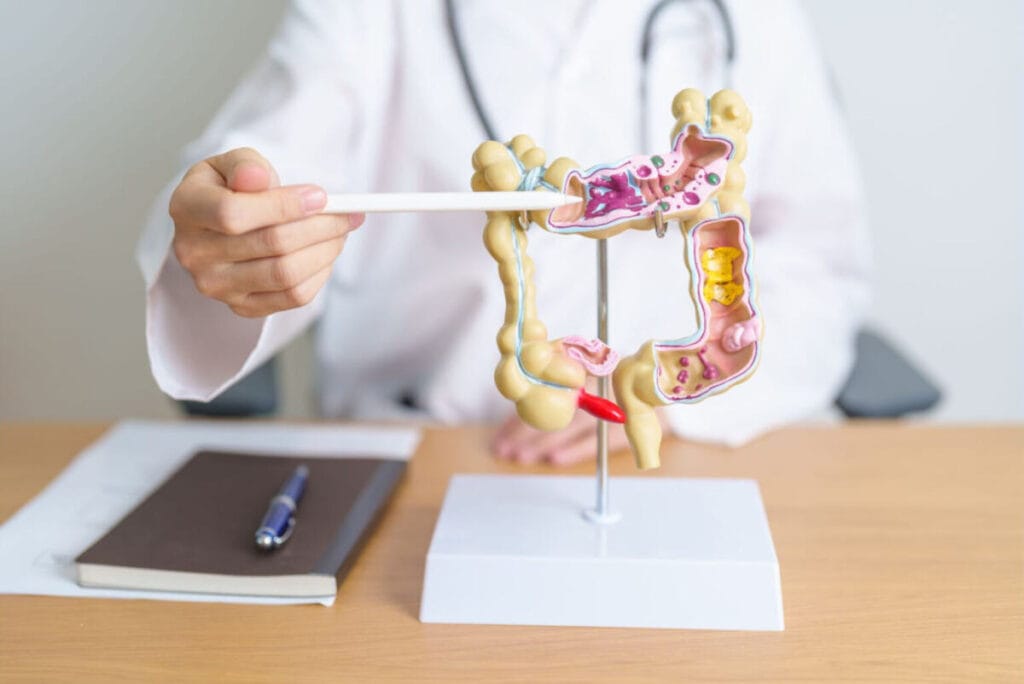
Intestinal infections: symptoms, diagnosis, course and prevention
What are intestinal infections and why are they dangerous? Intestinal infections are a group of diseases that occur as a result of pathogenic microorganisms that affect the gastrointestinal tract entering the body. Most often, pathogens are transmitted through food, water, dirty hands or contact with a sick person. According to WHO, more than 1.7 billion cases of diarrheal diseases are registered in the world every year. Children under 5 years of age, pregnant women and the elderly are especially vulnerable, in whom dehydration can develop rapidly against the background of an infection. Main pathogens of intestinal infections Type of pathogen Examples Bacteria Salmonella, Shigella, Campylobacter, E. coli Viruses Rotavirus, norovirus, astrovirus, adenovirus Parasites Giardia, cryptosporidia, amoebas Candida fungi (in severe cases or after antibiotics) Different pathogens cause similar symptoms, but may require a completely different approach to treatment. Typical symptoms of intestinal infections: sudden onset of illness, nausea, vomiting, frequent loose stools (up to 10 times a day), abdominal pain, bloating, cramps, fever, dehydration (especially in children): dry lips, decreased urine output, lethargy, headache...
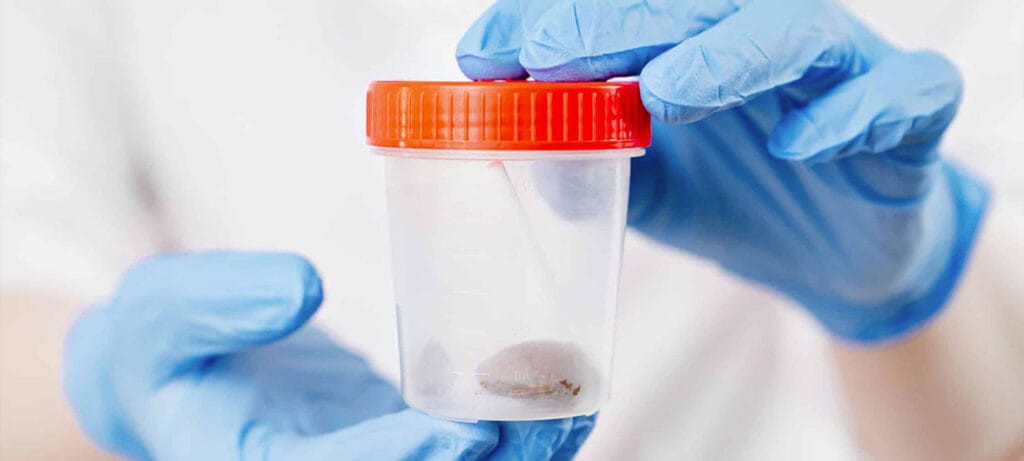
Stool culture: slow but accurate diagnosis of gastrointestinal problems
Why is this analysis still considered the "gold standard"? At a time when PCR tests provide results in a few hours, bacteriological stool culture remains indispensable for the accurate detection of live pathogenic bacteria that cause gastroenterological diseases. Its main value is not only in identifying the pathogen, but also in determining sensitivity to antibiotics. No express method gives such a result. What exactly is examined in a stool sample During the study, laboratory technicians: transfer the stool sample to nutrient media for 3–7 days observe the growth of colonies identify pathogens (if necessary, to the species) conduct an antibiogram Thus, you can see the complete bacteriological picture of the intestinal microflora and identify aggressive or conditionally pathogenic bacteria. In which situations can you not do without bacterial culture This analysis is not prescribed to everyone in a row. It is relevant when: diarrhea lasts more than 3 days and is not treatable; salmonellosis, shigellosis, campylobacteriosis is suspected; the patient has been in contact with a patient with an intestinal infection; it is necessary to exclude...

Blood test after eating: why it is done and what you need to know
Most blood tests require fasting blood tests. But sometimes the doctor specifically prescribes a test after eating. Such a recommendation often causes surprise among patients: why is it important to donate blood after eating and how to do it correctly? In this article, we will consider when a blood test after eating is prescribed, what it shows and how to prepare properly. Why do a blood test after eating Some disorders in the body cannot be detected if the blood is tested only on an empty stomach. Nutrition triggers complex metabolic processes, and it is during this period that hidden problems may appear: disorders of carbohydrate metabolism (diabetes mellitus, prediabetes) abnormalities in the pancreas changes in fat metabolism (hypertriglyceridemia) failures in hormonal regulation After eating, the body actively processes glucose and fats. If these processes are disturbed, a blood test will help to detect this at an early stage, before serious symptoms appear. In which cases does the doctor prescribe a blood test after eating Main indications...
