


Medilab+

Nanotechnology in diagnostics: precision that is changing medicine

The medicine of the future has long been no longer a fantasy. Today, scientists are able to create devices smaller than a human cell that can detect diseases before symptoms appear, recognize single molecules of viruses or mutations, and instantly transmit the results to a doctor. This is the world of nanotechnology in diagnostics - a revolutionary direction that opens up new horizons in early detection of diseases and personalized medicine. What is nanotechnology in medicine Nanotechnology is the use of structures ranging in size from 1 to 100 nanometers, which allows you to work at the molecular level. In medicine, they allow you to create intelligent nanostructures that: detect diseases in fluids or tissues deliver drugs to specific cells interact with genetic material change color, shape, or electrical properties when they encounter certain molecules Nanodiagnostics has become the core of a new approach - preventive medicine, where diseases are not treated, but prevented before the clinical picture appears. Types of nanomaterials used in diagnostics Type of nanostructure Function in diagnostics Gold and silver-containing...
Annual check-up: health care that saves lives
Why do you need to get checked when nothing hurts? Most people postpone a visit to the doctor until symptoms appear. But modern medicine proves that many diseases develop painlessly and do not make themselves felt for a long time. An annual medical examination allows you to detect diseases in the early stages, when they have not yet had time to cause harm or become chronic. Prevention is not only about timely detection of problems. It is about confidence in your condition, maintaining the quality of life, and in many cases, increasing life expectancy. What does a standard annual examination include? The content of the examination may vary depending on age, gender, lifestyle and associated risk factors. But the basic list for an adult usually includes: Type of examination What is checked Complete blood count Detection of anemia, inflammatory processes Complete urine analysis Kidney condition, possible infections Blood test for glucose Risk of diabetes Lipid profile Cholesterol level, prevention of atherosclerosis ECG Heart function, risk of arrhythmias, ischemia Fluorography or chest X-ray Lung condition, tuberculosis Examination by a therapist General health assessment,...

Congenital pathologies: what they are and how to detect them at an early stage
What are congenital pathologies? Congenital pathologies are structural or functional disorders that arise during the intrauterine development of a child. They can be detected immediately after birth or after a certain time, when symptoms become noticeable. Congenital defects can affect any system of the body: cardiovascular, nervous, musculoskeletal, digestive, etc. According to the World Health Organization (WHO), about 6% newborns in the world have one or more congenital pathologies. In most cases, these conditions are amenable to early diagnosis and, if necessary, medical or surgical intervention. Causes of congenital pathologies Factor Description Genetic Hereditary diseases, gene mutations or chromosomal abnormalities Exogenous (external)** Exposure to toxins, alcohol, drugs, infections during pregnancy Infectious TORCH group infections: toxoplasmosis, rubella, cytomegalovirus, herpes Metabolic Metabolic disorders in the mother or fetus Unidentified Some defects have no clear cause Types of congenital pathologies Congenital anomalies are divided into structural and functional. Structural (anatomical) defects: heart defects (tetrad of Fallot, defects of the interatrial or ventricular septum) cleft lip and palate defects...

Neurotransmitters: The Chemistry of Emotion, Memory, and Behavior
What are neurotransmitters? Neurotransmitters are biochemicals that transmit signals between nerve cells (neurons) in the brain and throughout the nervous system. They are also called neurotransmitters. They are the main "speakers" of the nervous system, responsible for mood, anxiety levels, concentration, appetite, sleep, and even pain. When a neuron receives an electrical impulse, it releases a certain neurotransmitter into the synaptic cleft, the space between cells. Another neuron receives this signal through receptors. This is how everything from thoughts to body movements is formed. Types of neurotransmitters and their functions Name of the neurotransmitter Main functions Imbalance manifests as Serotonin Mood, appetite, sleep, memory Depression, anxiety, sleep disorders Dopamine Motivation, pleasure, movement, learning Parkinson's, apathy, addiction, psychosis Norepinephrine Focus, arousal, stress response Anxiety disorders, hyperactivity GABA Inhibitory effect, anxiety reduction Convulsions, panic attacks, anxiety Glutamate Neuronal excitation, memory, learning Neurodegeneration, epilepsy Acetylcholine Muscle activity, attention, memory Alzheimer's disease, coordination disorders Endorphins Pain, pleasure, emotional comfort Irritability, lowering the pain threshold Examples of the action of neurotransmitters in everyday life Coffee stimulates the release of dopamine and norepinephrine -...

Dust allergy: where does it come from and how to deal with it
Why dust allergy is not just sneezing For many, sneezing at home or in the office seems like a normal reaction to a smell or draft. But if it happens every day, accompanied by a stuffy nose, itchy eyes and fatigue, it is probably a case of dust allergy. This is a chronic disease that can significantly affect the quality of life and even cause serious complications, including bronchial asthma. Dust is not just dust from the shelves. It is a whole microcosm of allergens that enter the body with air and cause a hyperreaction of the immune system. What exactly causes allergies in house dust The main dust allergens are: House dust mites (Dermatophagoides pteronyssinus, D. farinae) - the main source of allergies. Their waste products (enzymes) cause a strong allergic reaction. Mold spores - especially in damp rooms, bathrooms, in the kitchen. Animal epithelium particles - even without direct contact with animals, the allergen remains...
Sodium levels: why monitor them and what deviations mean
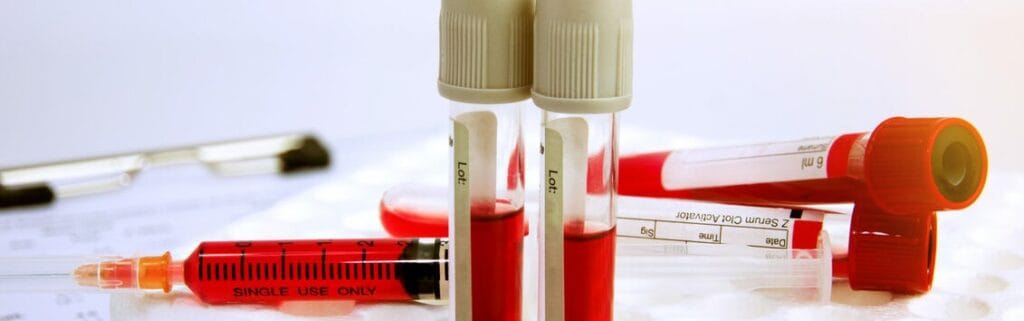
What is sodium and its role in the body Sodium is one of the main electrolytes that plays a key role in maintaining water-salt balance, blood pressure, muscle activity and functioning of the nervous system. The main part of sodium is concentrated in blood plasma and intercellular fluid. Together with potassium, it ensures the conduction of nerve impulses and muscle contraction, in particular the heart. The body is not able to produce sodium on its own - we get it exclusively from food, mainly in the form of table salt (NaCl). Normal blood sodium level In a healthy person, the serum sodium level is usually: 135–145 mmol/l Minor fluctuations are possible depending on the laboratory, age and health status, but deviations from this range may indicate serious disorders. Causes of low sodium levels (hyponatremia) Hyponatremia is a condition in which the blood sodium level drops below 135 mmol/l. Main causes: Excessive consumption of water or low-sodium fluids Syndrome of inappropriate antidiuretic hormone secretion...
Breast tumor markers: modern laboratory navigation in oncology
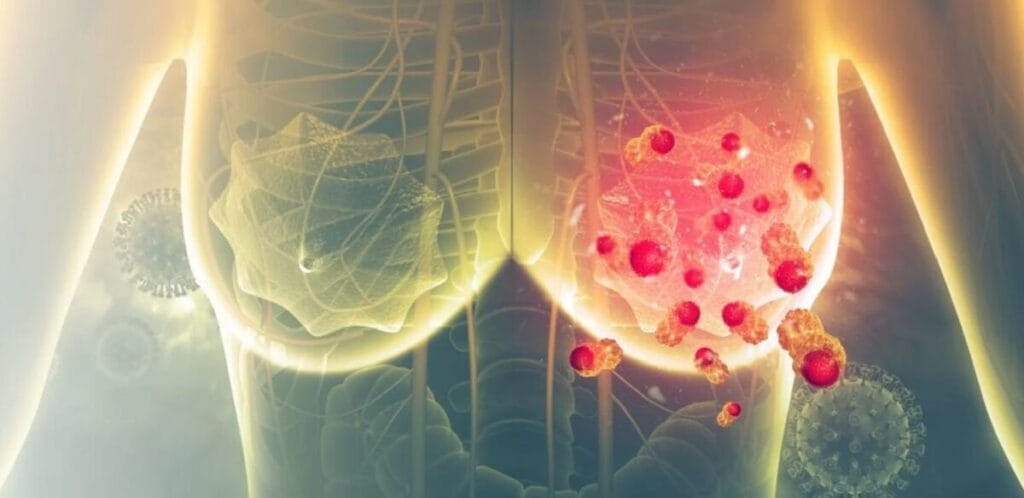
Breast cancer is one of the most common types of malignant tumors among women in the world. And although ultrasound, mammography and MRI remain the main diagnostic methods, it is tumor markers that open a new level of understanding of the course of the disease. Thanks to laboratory tests, it is possible not only to detect relapses at an early stage, but also to personalize treatment, assess the aggressiveness of the tumor and adapt therapy to the biological characteristics of the body. These markers are not substitutes for instrumental studies, but they can make the medical picture much more accurate. Breast tumor markers are substances produced by tumor cells or healthy cells in response to the oncological process. Some of them circulate in the blood, others are studied only in tissue samples. The level of these indicators helps doctors: determine the probability of a malignant process assess the effectiveness of treatment monitor remission predict the course of the disease CA 15-3 is the most common blood marker in breast cancer This marker is most often used to monitor the course of the disease. It increases...

Tests before pregnancy: how to prepare the body for a new life
Preparing for pregnancy is not just choosing a name for the child. This is, first of all, a responsible medical stage that begins even before conception. Even with complete external health, future parents may have hidden risks: infections, hormonal disruptions, blood clotting disorders, genetic mutations. That is why pre-pregnancy tests are the basis of safe motherhood and the health of the child. Why take tests even before conception Identify risks for the fetus and mother even before they occur Prepare the body for changes: hormonal, immune, metabolic Treat or compensate for latent infections or deficiencies Choose the best time and eliminate pregnancy complications Preparing for pregnancy is not only a woman's duty. Successful conception and normal embryogenesis also depend on the health of the man, so both partners take tests. Mandatory tests for a woman before pregnancy General clinical: Complete blood count (detection of anemia, inflammation) Complete urine test (assessment of kidney function) Blood glucose (risks of gestational diabetes)...

PCR diagnostics of the microbiome: an accurate window into the microworld of our health
Why study the microbiome The microbiome is a complex ecosystem of billions of microorganisms that live in our body. Most of them are in the intestines, but microflora is also found in the mouth, lungs, skin, and genitourinary tract. These invisible inhabitants perform functions without which a person simply would not survive: they help digest food, synthesize vitamins, regulate immunity, and even affect mood. When the microbiome changes — due to illness, stress, diet, or antibiotics — it can cause a number of problems. From common bloating to chronic conditions. This is where PCR diagnostics of the microbiome comes to the rescue. PCR: a method that sees more than others PCR (polymerase chain reaction) is a molecular method that allows you to detect traces of DNA or RNA of bacteria, fungi, and viruses in human biomaterial. And most importantly — even in very small quantities. According to gastroenterologist and functional therapist Natalia Hrytsenko: «PCR analysis allows us to see what remained “invisible” in classical bacteriological cultures. We...

How to properly submit urine for analysis: step-by-step instructions
Most of us have had a urine test at least once in our lives - back in school, during a check-up or when visiting a doctor. It would seem that what's so complicated about this? But it is the incorrect collection that often causes false results and repeated visits to the laboratory. Sometimes patients are genuinely surprised when the analysis indicates an infection or inflammation, although in fact the problem was only in an incorrectly prepared sample. In this article, we will tell you how to collect urine for analysis without errors, what you should know in advance and what common mistakes should be avoided. Why correct urine collection is so important Urine is a natural "mirror" of the body's internal processes. It reflects the functioning of the kidneys, liver, metabolism, the state of water-salt balance and even signs of infectious processes. Incorrect collection can lead to: bacteria from the skin getting into the sample false presence of protein or glucose distortion of the level of leukocytes or erythrocytes changes in the acidity of urine The result is incorrect...
