


Medilab+

Next-generation sequencing (NGS): answers to key questions

What is next-generation sequencing? Next Generation Sequencing (NGS) is a modern laboratory method that allows millions of DNA or RNA fragments to be read simultaneously. Unlike older methods, NGS opens up the possibility of analyzing the entire genome, exome, or group of genes with high accuracy. What is the advantage of NGS over classical methods? NGS is faster, more accurate, and more scalable. For example: One run allows you to analyze hundreds of genes simultaneously. Even the smallest mutations can be detected. Suitable for analyzing the genome, transcriptome, microbiome, and viruses. Compared to the Sanger method, NGS is more sensitive and cheaper for large amounts of data (see FDA). Where is NGS used in medicine? NGS is a tool that is currently used in: Oncology: to detect mutations in tumors (e.g., BRCA1/2, EGFR) Genetic medicine: diagnosis of rare genetic syndromes Prenatal diagnosis: fetal DNA analysis Infectious medicine: detection of antibiotic resistance Microbiology: study of the microbiome of the intestine, skin, lungs What does the analysis look like? It...

Allergy to animal fur: how to recognize and live comfortably
1. What causes allergies to animals is not fur, but proteins Despite a common myth, fur is not to blame. The main allergens are proteins found in: saliva urine dander (dead skin cells) The fur only carries these proteins on itself. When an animal sheds, licks itself or is indoors, protein particles settle on furniture, carpets, and clothing. When inhaled, they cause a hyperreaction of the immune system in sensitive people. According to the Mayo Clinic, the strongest allergen in cats is the Fel d 1 protein, and in dogs - Can f 1. Their size is so small that they can be in the air for up to several hours and cause a reaction even without direct contact with the animal. 2. How an allergy to animal fur manifests itself - symptoms can be misleading The reaction can be instant or appear after several hours. It is important to pay attention to the following signs: Respiratory symptoms - itchy nose - chronic...

Biotin test: why is it needed and when should it be taken?
What is biotin and what role does it play in the body? Biotin, also known as vitamin B7 or vitamin H, is a water-soluble B vitamin. Its main function is to participate in the metabolism of fats, proteins and carbohydrates, as well as to maintain the health of the skin, hair, nails and nervous system. Biotin acts as a coenzyme for a number of enzymes that regulate metabolic processes. Biotin does not accumulate in large quantities in the body, so regular intake with food or supplements is of great importance. Biotin deficiency is rare, but in certain situations the need for it increases or its absorption disorders occur. When to take a biotin test A blood test for biotin is not routine and is usually prescribed in narrow clinical situations. It is recommended to be performed when there is a suspicion of a deficiency or excess of the vitamin, or with long-term use of biotin-containing supplements. The main indications for the analysis: hair loss without an apparent cause brittle nails ...

Gastrointestinal tumor markers: how to detect cancer risks before symptoms appear
What are tumor markers and what role do they play in diagnosis? Tumor markers are specific proteins, glycoproteins, or enzymes that are produced by tumor cells or the body in response to a malignant tumor. They can be present in the blood, urine, pleural or abdominal fluid and signal the possible presence of a cancer process. In particular, tumor markers of the gastrointestinal tract (GI) help doctors detect pathologies of the stomach, intestines, liver, and pancreas at preclinical stages. These tests are not completely specific — the level of tumor markers can also increase in benign conditions. However, they are indispensable for: primary diagnosis of cancer in risk groups assessment of treatment effectiveness (surgery, chemotherapy or radiotherapy) early detection of relapse after remission monitoring of disease progression What tumor markers are studied in gastrointestinal diseases Tumor marker Full name Main pathologies with which it is associated Reference value* CEA Carcinoembryonic antigen Cancer of the colon and rectum, stomach, pancreas, lungs < 5 ng/ml CA 19-9 Carbohydrate antigen 19-9 Cancer of the pancreas, bile ducts, stomach < 37 U/ml CA 72-4 Mucin-like glycoprotein Cancer...
Laboratory detection of herpes: how to accurately confirm the diagnosis
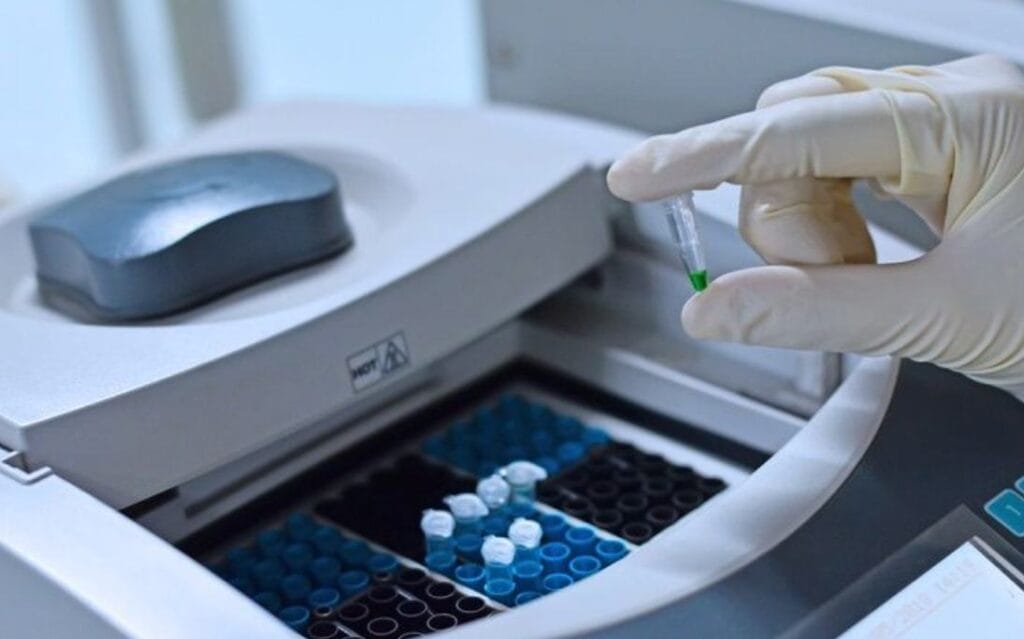
Why it is important to detect herpes in the laboratory Herpes is not just a rash on the lips. It is a viral disease that can be asymptomatic, but at the same time be transmitted sexually, become active during a decrease in immunity, or complicate pregnancy. Most people are infected with herpes type 1 or 2, often without even realizing it. As the Mayo Clinic notes, "many carriers of the herpes virus never have obvious symptoms, but can transmit it to others." That is why laboratory diagnostics are the key to a safe life and accurate treatment. When is herpes diagnosis needed when genital herpes is suspected when frequent rashes on the face or lips before planning pregnancy or IVF when eye or nervous system lesions for dispensary control in HIV-positive individuals when suspicious symptoms that can be masked by other dermatological or urological conditions According to the CDC, more than half of genital herpes cases in the United States remain undetected precisely due to the lack of testing during...

Cholesterol test: proper preparation for accurate results
Elevated cholesterol has no symptoms for a long time, but can become the basis for the development of serious cardiovascular diseases. Regular monitoring of cholesterol levels is an effective way to assess the risks associated with the health of the heart and blood vessels. But in order for the analysis results to be reliable, it is important to prepare properly. In this article, we will consider how to do it correctly and without errors. Why take a cholesterol test Cholesterol is involved in the synthesis of hormones, vitamin D, and is a component of cell membranes. At the same time, its excess, especially in the form of low-density lipoproteins (LDL), leads to the formation of atherosclerotic plaques and narrowing of blood vessels. According to cardiologist Dr. Oleksandr Tkachuk: "A blood test for cholesterol is one of the easiest ways to prevent a heart attack or stroke before symptoms appear. It is especially important to do it for people after 40 years of age or if there is a family predisposition to heart disease." What indicators are included in a lipid profile A standard analysis includes several main...
Genetic predisposition: how heredity affects the risk of disease
What is genetic predisposition? Genetic predisposition is an increased risk of developing certain diseases, due to the presence of specific genetic variants (mutations) that are passed down from parents. This does not mean that a person will necessarily get sick, but the likelihood of developing the disease is significantly higher than in people without such changes in DNA. The WHO notes that about 10% of all diseases have a clear genetic component, and even more diseases are of a mixed nature, where genes interact with environmental factors (WHO, 2023). What diseases are associated with genetic predisposition Oncology: breast cancer (BRCA1/2), prostate cancer, colorectal cancer (Lynch syndrome) Cardiovascular diseases: early heart attack, hypertension, thrombophilia Metabolic diseases: type 2 diabetes, obesity Mental disorders: depression, bipolar disorder, schizophrenia Neurology: Alzheimer's disease, Parkinson's disease Autoimmune diseases: celiac disease, rheumatoid arthritis, systemic lupus erythematosus How to detect predisposition You can detect predisposition using genetic tests. Most often, they analyze specific gene variants associated with increased risk. Some tests...

Cat allergy: how to recognize it, what to do and whether you can live with it
When purring causes tears For many people, a cat is not just a pet, but a real member of the family. But sometimes, after talking to a furry friend, a runny nose, tearing, itching, or even a suffocation attack begins. It turns out that these are not emotions - this is an allergy to a cat, one of the most common forms of household allergies in the world. «Animal allergies are not to fur, as most patients think, but to proteins contained in the saliva, urine, and dander of cats,» explains allergist-immunologist Marina Petrovna. What causes a cat allergy The main allergen is the Fel d 1 protein, which is produced by the sebaceous glands of the cat's skin and gets on the fur during licking. The protein is very small, easily transported by air, settles on furniture, clothes, and walls - so even the absence of an animal in the room does not guarantee a clean environment. Symptoms of cat allergies include frequent sneezing, nasal congestion, watery rhinitis, itching or redness...

Depression and hormone levels: what happens in the body when you "feel down"«
«It’s just an emotion» or not? In our culture, depression is often perceived as weakness or temporary sadness. But many people who have experienced prolonged apathy, insomnia, loss of energy or interest in life are actually experiencing hormonal disorders that have a physiological basis. Sometimes the cause is not only psychological trauma, but also an imbalance in the endocrine system. How hormones affect the mental state Hormones are chemical «mediators» between organs. They affect energy, appetite, sleep cycle, stress response and even the ability to feel pleasure. That is why in depressive states, the following often change: mood level of motivation ability to concentrate physical endurance sex drive What hormones are most often associated with depression 1. Cortisol The main stress hormone. With chronic stress or depression, it can be both elevated and decreased. High cortisol → anxiety, insomnia, irritability Low cortisol → apathy, fatigue, feeling of "burnout" Analysis: daily cortisol profile (blood, saliva) 2. TSH and...

Omega-3 deficiency: signs, risks and advice from doctors
What are Omega-3s and why are they critically important? Omega-3s are essential polyunsaturated fatty acids that support brain, heart, immune, and vision function. The human body cannot synthesize them on its own, so daily intake with food is a vital necessity. The main types of Omega-3s: ALA (alpha-linolenic acid) - comes from plant sources EPA and DHA - are found in marine fish, seafood, and fish oil According to cardiologist Olena Tokar, "Omega-3s are not just about preventing heart attacks. They are daily lubrication for your blood vessels and brain cells." How to recognize an Omega-3 deficiency Signs of an Omega-3 deficiency can be general and gradually increasing: dry and flaky skin brittle nails, brittle hair constant fatigue, irritability depressed mood, anxiety difficulty concentrating frequent colds, inflammatory diseases joint pain dry eye syndrome in children - hyperactivity, learning difficulties As nutritionist Natalia Lytvyn notes, "One of the most common manifestations of a deficiency...
