


Medilab+
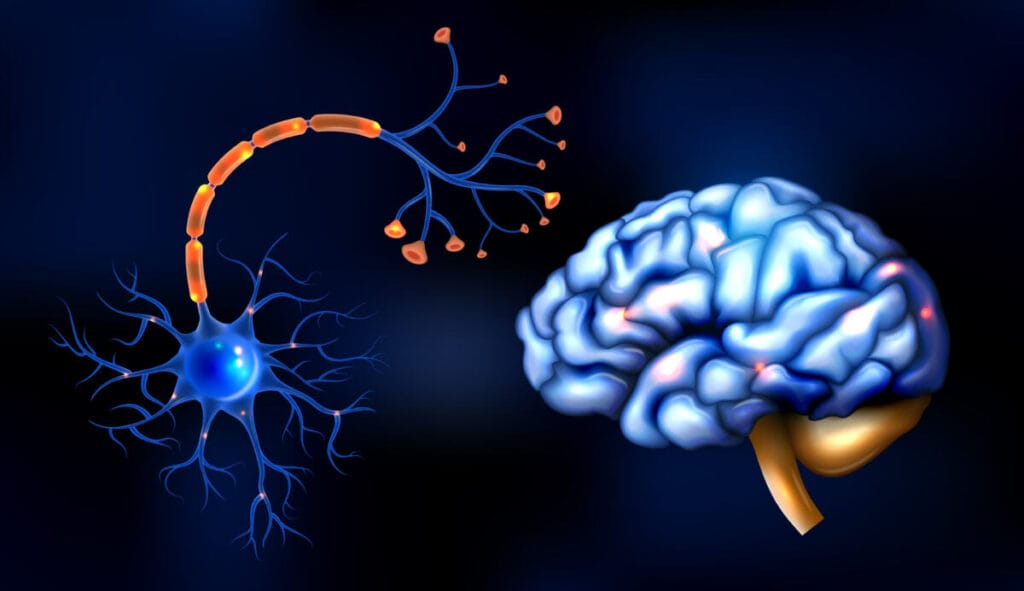
The autonomic nervous system: the master of internal balance

The autonomic nervous system (ANS) is the part of the nervous system that works without our conscious participation, but every second regulates vital processes: breathing, heartbeat, digestion, excretion, body temperature. It is thanks to it that we do not think about how the heart beats or the stomach functions. In this article, we will consider its structure, functions and connection with many diseases. The structure of the autonomic nervous system of the ANS consists of two main departments, which often act in opposite directions, creating a dynamic balance: Sympathetic department - activates the body in response to stress ("fight or flight"). Increases heart rate, pressure, dilates pupils, slows down digestion. Parasympathetic department - is responsible for recovery, relaxation and digestion ("rest and digest"). Reduces pulse, activates the secretion of digestive juices, stimulates intestinal peristalsis. Both departments work in close relationship and mutual balance. This balance is extremely important for health. Functions of the ANS in the body The autonomic system performs dozens of key tasks, including: regulation of heart rate...
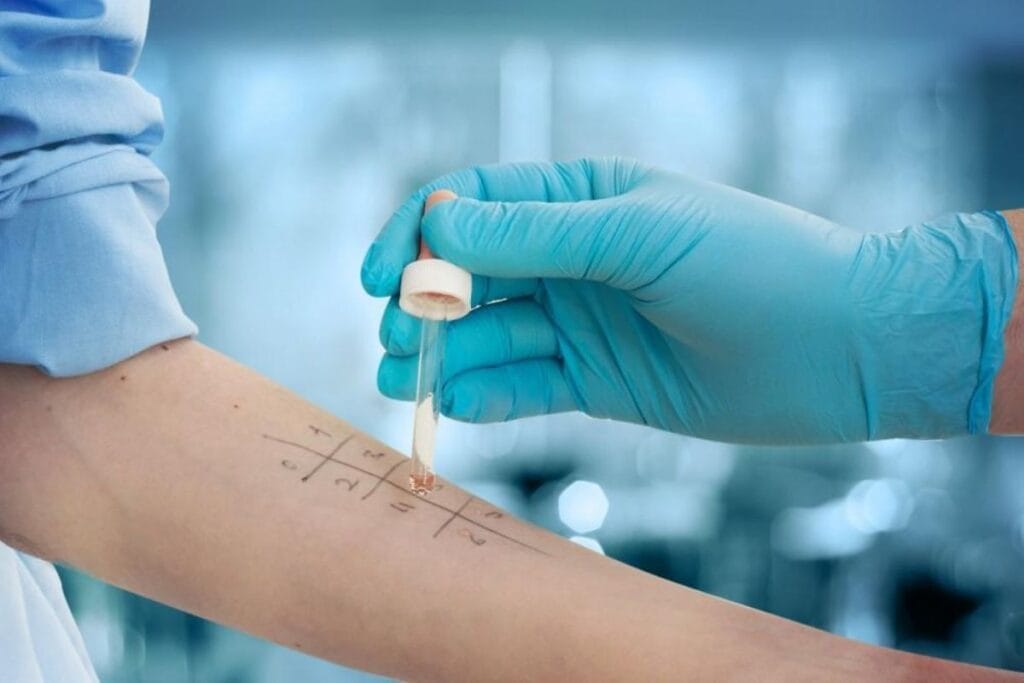
Inhaled allergens: how to recognize and control them
Inhaled allergens are microscopic particles that enter the human body during breathing. In sensitive individuals, they can cause allergic reactions, including rhinitis, conjunctivitis, cough, and bronchial asthma. Knowing the sources of such allergens and diagnostic methods helps reduce the risk of worsening symptoms. Main types of inhaled allergens There are several common groups of inhaled allergens: Pollen allergens. Pollen from trees (birch, alder), grasses (timothy, feather grass), and weeds (ragweed) is one of the most common causes of seasonal allergies. House dust. Contains house dust mites, which are strong allergens. Mold. Spores of the fungi Aspergillus, Cladosporium, etc. can cause severe reactions. Animal hair and epidermis. It is not the hair itself that causes an allergic reaction, but proteins in the saliva, urine, and skin flakes of pets. Latex and chemicals. They are less common, but cause symptoms in professionally sensitive individuals. Symptoms of a reaction to inhaled allergens Depending on individual sensitivity, the patient may experience: a prolonged runny nose without...

Vitamin deficiency: why vitamin deficiency is more than just seasonal weakness
Do you wake up tired even though you slept for 8 hours? Your skin is dry, your lips are chapped, and your mood is at zero? If this sounds familiar, the reason may not be just stress or lack of rest. It is very likely that your body is simply not getting vital microelements. And it is not just about mild fatigue. Vitamin deficiency is a deep systemic disorder when the lack of one or more vitamins disrupts the normal functioning of the body: from skin and hair to the heart, immunity and nervous system. And often we start treating the symptom instead of finding the real cause - vitamin deficiency. What is vitamin deficiency and how does it differ from hypovitaminosis Vitamin deficiency is a condition of complete or critical absence of a certain vitamin in the body. While hypovitaminosis means only a decrease in the concentration of the vitamin, with vitamin deficiency, important biochemical processes are disrupted, clinically noticeable and potentially dangerous disorders occur. Unlike an acute infection, vitamin deficiency...

The importance of tumor markers in clinical practice
Tumor markers are specific biological substances that are produced in the body in response to the development of a tumor process or are secreted directly by the malignant cells themselves. Their determination is of important clinical importance at various stages of diagnosis, treatment and monitoring of the effectiveness of therapy for malignant neoplasms. What are tumor markers and how do they work? Tumor markers can be proteins, enzymes, hormones or metabolic products. Normally, they are either not detected in the blood at all or are present in very small concentrations. In oncological processes, their level often increases, which makes them a valuable diagnostic and prognostic tool. Clinical tasks solved with the help of tumor markers Screening and early diagnosis (e.g. PSA for prostate, AFP for liver cancer) Differential diagnosis in complex cases Prediction of the course of the disease Monitoring the effectiveness of treatment (lowering the level after surgery or chemotherapy) Detection of relapses (regular monitoring after remission) The most common tumor markers and their clinical significance Tumor marker Area of application Comment PSA Prostate cancer Used for screening and...

HPV PCR analysis: accurate diagnosis of human papillomavirus
What is HPV and why is it important to detect it in time? Human papillomavirus (HPV) is a common pathogen that is transmitted mainly sexually. Some strains are highly oncogenic and are associated with the development of cervical, rectal, larynx, etc. Detection of HPV at an early stage helps prevent serious consequences. HPV detection methods: comparative table Diagnostic method Accuracy HPV typing Result obtaining speed Use PCR analysis Very high (up to 99%) Yes (determines the strain) 1–3 days Main for detecting HPV DNA Pap test Average No 5–7 days Screening for atypical cells Digene test High Partial (risk groups) 2–5 days Supplement to Pap test Enzyme-linked immunosorbent assay (ELISA) Average No 2–5 days Additional screening for antibodies Advantages of the PCR method High accuracy even at an early stage of infection Determination of a specific type of virus Ability to assess viral load Used both for primary detection and for monitoring treatment When and to whom is PCR testing indicated Women as part of cervical cancer screening Patients with symptoms of HPV infection: warts, condylomas Men when examined for STIs Married couples before planning pregnancy Material collection procedure Usually scraping is used...
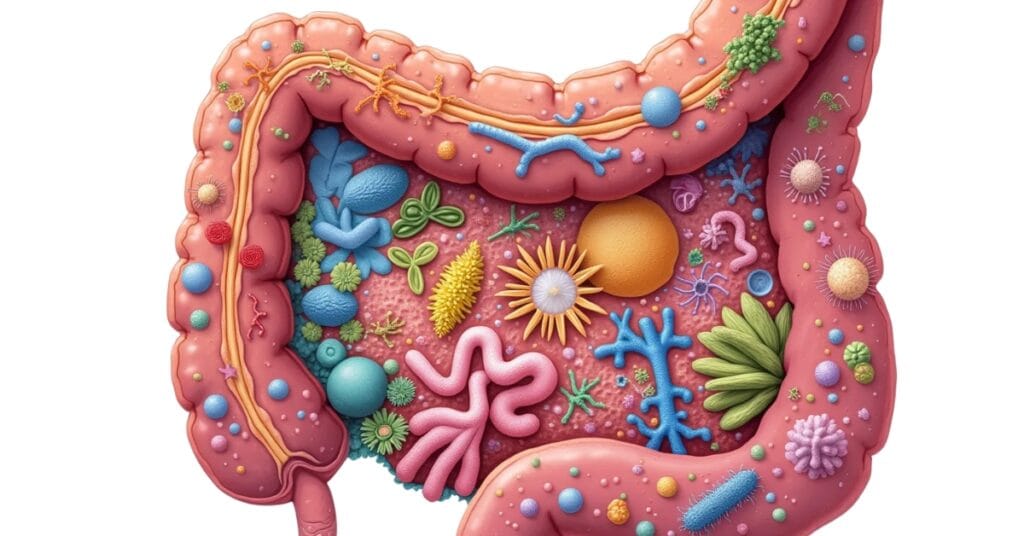
Microbiome and obesity: how bacteria affect body weight
Why can two people with the same diet and level of physical activity have radically different weights? Part of the answer lies in the invisible inhabitants of our intestines - the microbiome. New research shows that the state of microflora may be a key factor in the development of obesity, affecting metabolism, appetite and even the effectiveness of diets. The microbiome is not just a passive collection of bacteria. It is a complex ecosystem that interacts daily with our immune, endocrine and nervous systems. Disruption of this interaction can trigger metabolic disorders that lead to weight gain. What is the microbiome and what role does it play The microbiome is the collection of all microorganisms that inhabit the human body, including the intestine. The main role is played by: bacteria (Bacteroidetes, Firmicutes, Lactobacillus, Bifidobacterium) viruses, archaea and fungi - less studied, but also significant The microbiome is involved in: fiber fermentation synthesis of short-chain fatty acids (SCFA) modulation of the immune response regulation of appetite hormones (ghrelin, leptin) absorption...

Sports before tests: how training can change diagnostics
Why you should avoid training before taking tests Physical activity, even moderate, activates the hormonal, muscular, immune and metabolic systems. This is the body's natural response to stress. But during laboratory diagnostics, it can distort real medical indicators. When a doctor sees an elevated level of creatine phosphokinase (CPK), cortisol or glucose, this may look like a sign of pathology, although in fact it is a consequence of morning training or even a walk before donating blood. Which indicators change the most due to physical activity Indicator What happens after training Glucose Can decrease (due to muscle consumption) or increase (due to cortisol release) Creatine phosphokinase (CPK) Increases significantly after strength training Myoglobin, lactate, uric acid Increase during anaerobic exercise Cortisol, testosterone, adrenaline Fluctuate sharply depending on the intensity of exercise Leukocytes Increase in response to stress and muscle microtrauma C-reactive protein (CRP) Temporary increase after intense exercise ALT, AST Can increase without liver damage - due to muscle activity Ferritin Can increase in response to muscle microinflammation If you take tests for your hormonal profile, liver...
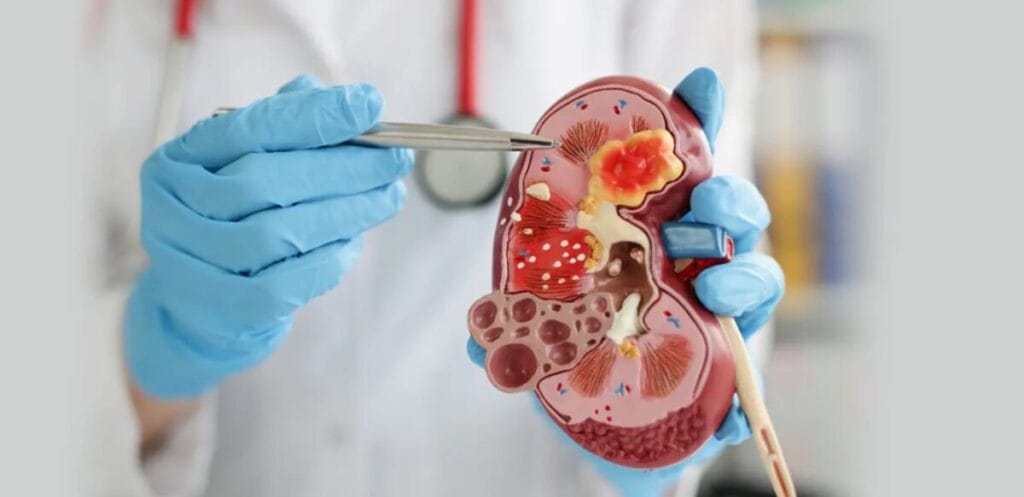
Kidney analysis: when is it needed and which methods are the most informative
The kidneys are one of the most important filtration organs in the human body. Their main function is to remove metabolic products from the blood, regulate water-salt balance and maintain blood pressure. Kidney dysfunction can remain asymptomatic for a long time, so laboratory tests play a key role in early diagnosis. What tests help check the condition of the kidneys There are several laboratory indicators that together give an idea of the functioning of the kidneys. The main ones include: 1. Complete urine analysis (CUA) The most common screening method. Allows you to assess: Color, transparency, odor The presence of protein, glucose, ketones The number of erythrocytes, leukocytes, epithelial cells Detection of salts and bacterial flora An increase in the number of protein, blood or leukocytes is a frequent sign of glomerulonephritis, pyelonephritis, cystitis or urolithiasis. 2. Biochemical blood test The following indicators are important for the kidneys: Indicator Norm What does the deviation mean Creatinine 44–106 μmol/l Increase is a sign of impaired filtration Urea 2.5–8.3 mmol/l Increase is the result of the accumulation of toxins Uric acid 140–340 μmol/l May indicate gout or renal failure 3. Glomerular filtration rate (GFR) level Calculated using the formulas...

Newborn screening: why this test is vital
Why aren't the results reported? Because it's good news Most parents don't even realize that their newborn has already passed one of the most important medical tests in life — neonatal screening. It is carried out automatically, without unnecessary formalities, and thanks to this, dozens of children every year get a chance for a full life. The procedure takes a few minutes, but is crucial for the child's future. What is being checked — and why these diseases? Screening is not a general examination, but a targeted search for rare but severe genetic and metabolic diseases that: have no symptoms in the first days of life quickly lead to irreversible changes are treatable or controlled if detected early The state package in Ukraine includes five pathologies: Phenylketonuria Congenital hypothyroidism Cystic fibrosis Adrenogenital syndrome Galactosemia All of these conditions require the earliest possible medical intervention — diet, hormones, enzymes, or supportive therapy. How is the procedure performed? On the 2–3rd day after birth in...

Anxiety assessment: modern methods, scales and biomarkers
What is anxiety? Anxiety is an emotional reaction to a real or perceived threat, which is accompanied by a feeling of internal tension, expectation of danger, and physiological changes. Unlike ordinary stress, increased anxiety can become chronic and affect health: the cardiovascular, immune, and digestive systems. Therefore, timely assessment of the level of anxiety is important not only for psychologists, but also for general practitioners, psychiatrists, cardiologists, and neurologists. The main methods of diagnosing anxiety The level of anxiety can be assessed using self-administered tests, as well as the results of laboratory tests or a clinical interview. Below is a comparative table of the most common methods: Methodology Type of assessment Time Purpose Beck Anxiety Inventory (BAI) Psychometric ~10 min Self-assessment of general anxiety Spielberger-Hanin scale Psychometric ~7 min Measurement of reactive and personality anxiety GAD-7 (Generalized Anxiety) Screening ~5 min Detection of generalized anxiety disorder Cortisol analysis Laboratory 1 day Objective biochemical assessment of stress Heart rate variability (HRV) Physiological ~20 min Sympathetic nervous system activation indicator Psychometric tests: accessible and informative Assessment using the Beck, Spielberger or GAD-7 scales allows you to quickly and effectively understand how prone the patient is to...
