


Medilab+

Environmental allergens: how to identify and protect yourself

The prevalence of allergic diseases is increasing rapidly, and one of the main reasons for this is the influence of environmental factors. Allergens can be found everywhere - in the air, in water, in dust and even on clothing. Understanding the sources of allergens and methods for their detection is key to preventing and treating allergic reactions. What are environmental allergens Allergens are substances that cause a hypersensitive reaction of the immune system. They are not dangerous for most people, but in sensitive individuals they can provoke allergy symptoms. The main groups of such allergens include: Pollen allergens (trees, grasses, weeds) House dust and dust mites Mold and fungal spores Pet allergens (hair, epithelium, saliva) Chemicals in the air (ozone, formaldehyde, lead compounds) Allergens from polluted water or soil Typical symptoms of exposure to environmental allergens Nasal congestion, sneezing, rhinitis Redness of the eyes, tearing, itching Cough, shortness of breath, symptoms of bronchial asthma Skin reactions:...

Hypovitaminosis: a hidden deficiency that destroys health
Are you worried about prolonged fatigue, brittle nails, pale skin, or frequent colds? Maybe it's not just overload or seasonal weakness. These signals may indicate hypovitaminosis - a partial deficiency of one or more vitamins. This condition rarely manifests itself with vivid symptoms, but gradually worsens the quality of life, contributes to the development of chronic diseases and reduces the body's ability to recover. What is hypovitaminosis Hypovitaminosis is a state of reduced vitamin content in the body, when there are no critical disorders yet, but biochemical functions are already disrupted. Unlike avitaminosis, in which the symptoms are sharply expressed, hypovitaminosis acts slowly, often imperceptibly. Vitamins are involved in hundreds of metabolic reactions: from energy production to the regulation of the immune response. Their deficiency cannot be compensated by other substances, and even a slight decrease in the level can negatively affect health. Causes of hypovitaminosis The main causes include: Insufficient intake of vitamins with food (monodiets, fast food, diet without vegetables) Increased need...

SCC tumor marker analysis: significance in the diagnosis of squamous cell carcinoma
What is SCC tumor marker? SCC (Squamous Cell Carcinoma Antigen) is a protein that is normally produced by epithelial cells, but in the case of malignant degeneration, its level in the blood increases significantly. It is considered specific for squamous cell carcinoma, which affects the skin, cervix, esophagus, lungs and other organs lined with squamous epithelium. When is an SCC test prescribed? This tumor marker is not used as the only tool for establishing a diagnosis. However, an SCC test has diagnostic and prognostic value in the following situations: suspicion of squamous cell carcinoma of the cervix or other organs; assessment of the effectiveness of treatment (after surgery, chemotherapy or radiotherapy); monitoring relapses after remission; clarification of the extent of tumor spread. SCC norms and their interpretation In a healthy person, the SCC level usually does not exceed 1.5 ng/ml. An increase can be observed not only in oncology, but also in inflammatory processes (dermatitis, tuberculosis, hepatitis), therefore, the interpretation of the results requires a clinical context. Table: SCC tumor marker level and possible...

Helicobacter pylori test: when to take it and which method to choose
What is Helicobacter pylori and why is it dangerous Helicobacter pylori is a spiral-shaped bacterium that colonizes the gastric mucosa. In 70% cases, it does not cause symptoms, but can cause: gastritis and erosions gastric and duodenal ulcers bad breath bloating, pain in the upper abdomen in the long term - the risk of stomach cancer Therefore, timely detection of Helicobacter pylori is one of the key steps in the prevention of gastrointestinal diseases. The main indications for testing are periodic abdominal pain nausea, heartburn, belching diagnosis of "gastritis" or "ulcer" anemia of unknown origin decreased appetite, weight loss family history of stomach cancer monitoring after treatment for Helicobacter pylori infection What are the tests for Helicobacter pylori There are several types of tests - each has its pros and cons. They are prescribed depending on the situation. Serological analysis (IgG, IgA) What it detects: antibodies to H. pylori in the blood Pros: fast, inexpensive, available Cons: does not distinguish between active infection...
Taking medication before tests: when pills can change the result
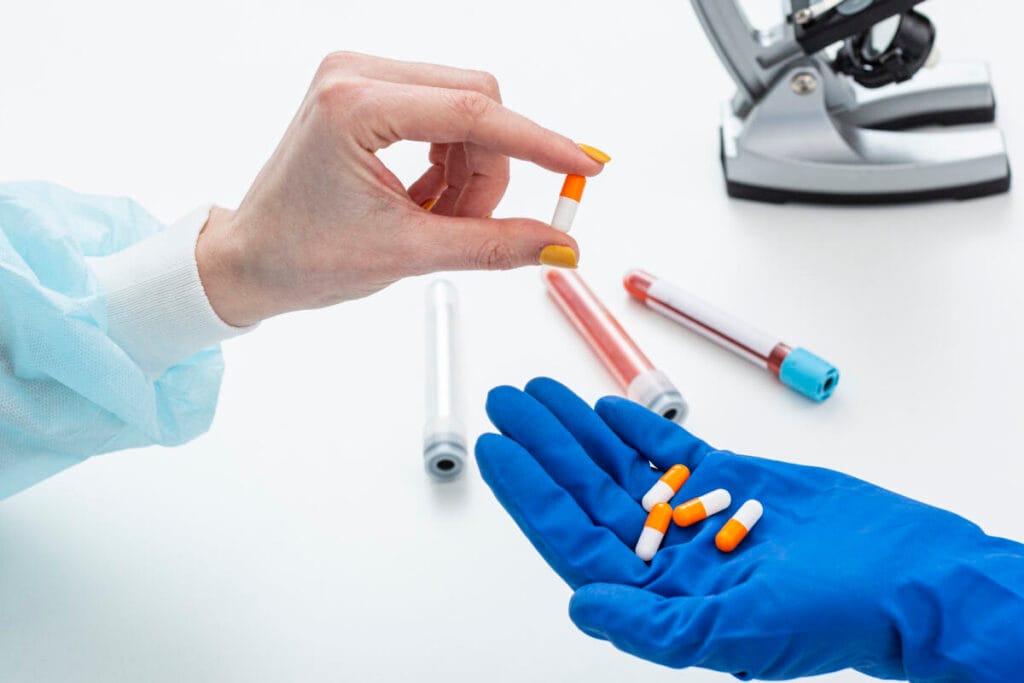
Preparation for laboratory tests is usually limited to the recommendation of "fasting". However, one of the most underestimated factors is taking medications. Even an "innocent" tablet of paracetamol or vitamin C before donating blood can distort the results so much that the diagnosis will be made incorrectly. How to avoid such mistakes and what you need to know about medications before tests? Why is it important? Many drugs can: affect blood biochemistry (liver tests, sugar, cholesterol) change hormonal levels affect the cellular composition of the blood mask inflammation or infection cause temporary adverse reactions that are included in the laboratory report The consequence is incorrect interpretation of the analysis, the appointment of unnecessary treatment or missed pathology. What medications affect tests most often? Group of drugs Potential impact on the result Antibiotics Increased liver enzyme levels, changes in intestinal microflora (affects stool and urine analysis) Hormones (including contraceptives) Impact on TSH, LH, prolactin, glucose levels NSAIDs (ibuprofen, aspirin) May suppress inflammatory markers, affect clotting Vitamins, especially fat-soluble (A, D, E,...
Liver test: when to get tested and how to do it correctly
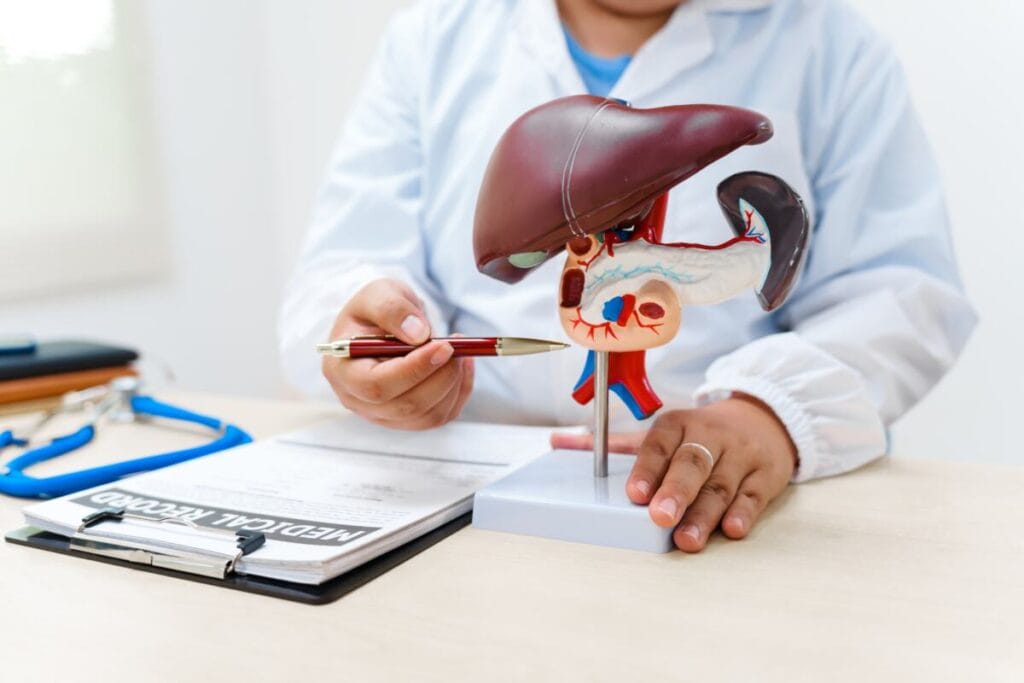
The liver is the "silent" laboratory of the human body. It performs over 500 functions: it neutralizes toxins, regulates glucose levels, synthesizes proteins, bile, hormones. But at the same time, it is practically painless, even when it already has serious damage. That is why laboratory testing of the liver is one of the most reliable ways to prevent complications. Main markers of liver function A liver test usually includes a whole set of indicators, known as "liver tests". They cannot be evaluated in isolation - it is important to consider the entire context: ALT (alanine aminotransferase): an enzyme released when liver cells are destroyed. The most sensitive indicator of hepatocellular damage. AST (aspartate aminotransferase): an enzyme also found in the heart and muscles. Its increase together with ALT is a signal of an acute process in the liver. Bilirubin (total, direct, indirect): a pigment formed when red blood cells break down. Its high level is a sign of impaired bile flow or liver failure. GGT (gamma-glutamyltransferase): increases with alcohol abuse...
Autosomal disease test: what a DNA test will show and why it is important even before symptoms appear
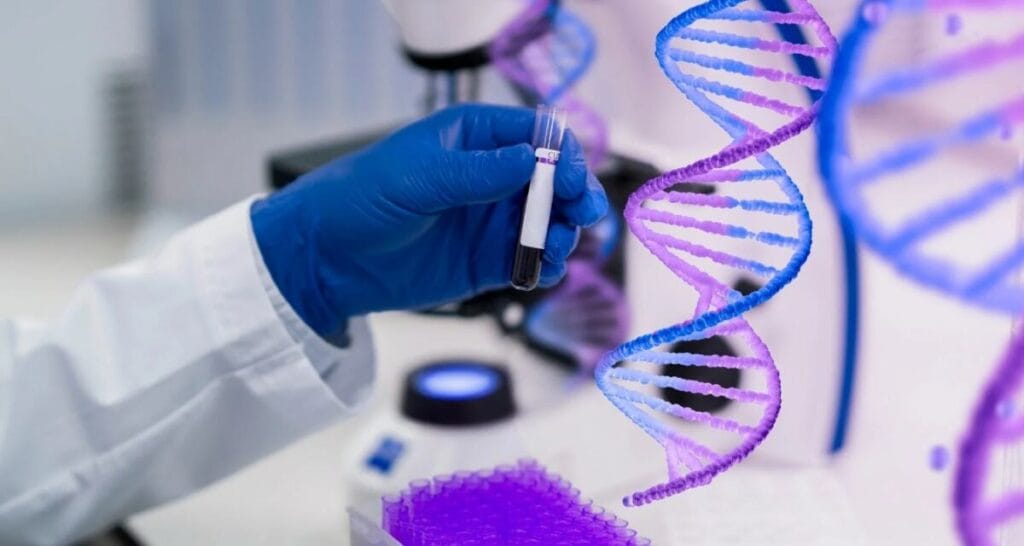
What are autosomal diseases? Autosomal diseases are hereditary disorders caused by mutations in genes located on non-sex (autosomal) chromosomes. There are 22 pairs of autosomes in the human genome. If one or both copies of a particular gene have an error, disorders can occur that manifest immediately after birth or even in adulthood. There are two main types of autosomal inheritance: Autosomal dominant: one defective copy of a gene is enough for a disease to occur (e.g., Huntington's chorea, Marfan syndrome) Autosomal recessive: a person must be a carrier of two copies of a mutated gene for the disease to manifest (e.g., cystic fibrosis, spinal muscular atrophy, phenylketonuria) Why is a test for autosomal diseases performed? Such a test not only allows you to confirm the diagnosis, but also: detect carrier status in a clinically healthy person assess the risk of transmitting the disease to children perform prenatal diagnosis or embryo testing during IVF build a surveillance or treatment strategy This test is especially important for families where there are cases of rare diseases, for young couples...

The impact of stress on the heart: the story of one pressure
«I’m 38, my heart is healthy, but something is wrong» Alexey, a middle manager. All my life without diagnoses, without sick leave. But a few months ago he began to notice: the heart «accelerates» for no reason, the pressure jumps at night, he wakes up with heaviness in the chest. Examinations did not show a heart attack, the vessels are clean. The therapist advised him to see a psychotherapist. But Alexey felt: it’s not just his head — something is really happening in the body. Cardiologist: «This is what a stress cardioreaction looks like» When a patient complains of chest pain, and angiography is normal, I think of autonomic dysfunction, transient ischemia, or stress-induced cardiomyopathy. The heart can work without organic disorders, but react to excess cortisol, adrenaline, and hypersympathetic activation. What exactly happens in the heart during stress? Vasoconstriction → increased blood pressure Increased heart rate → tachycardia, arrhythmia Release of glucose and fats into the blood → accelerated vascular aging Decreased sensitivity to insulin → metabolic...

Allergy tests in adults: what you need to know and how to choose the right method
Allergies can appear unexpectedly - in adulthood, even without previous episodes in childhood. Often, symptoms - from a runny nose to chronic fatigue - are not immediately associated with an allergic reaction. In such cases, accurate diagnosis plays a key role. Let's consider what testing methods are available today and how to understand what exactly causes the body's negative reaction. When to take allergy tests Allergy is suspected when a person has the following conditions: recurring rash, itching for no apparent reason swelling of the eyelids or lips after eating certain foods seasonal nasal congestion, sneezing or coughing reactions after contact with animals or household chemicals intolerance to certain medications In such cases, testing helps not only to confirm an allergy, but also to identify specific substances that cause it. Available testing methods in adults Laboratory methods (blood test) Analysis for specific IgE antibodies allows you to detect a reaction to specific allergens. This method is suitable for patients with...

Excess vitamins: when something useful becomes dangerous
In the pursuit of health, we often forget that excessive consumption of even the most useful substances can be harmful. Vitamins are vital compounds, but their excess, especially with uncontrolled intake of supplements, can cause toxic reactions and serious consequences for the body. Which vitamins most often accumulate in the body Fat-soluble vitamins (A, D, E, K) are stored in adipose tissue and the liver, so over time they can accumulate in dangerous concentrations. Vitamin A (retinol) - excess causes headaches, nausea, skin irritation, in pregnant women - the risk of pathologies in the fetus. Vitamin D - hypervitaminosis can cause calcification of blood vessels, heart and kidney dysfunction. Vitamin E - in large doses affects blood clotting, can increase the risk of stroke. Vitamin K - rarely causes toxicity, but excess can contribute to blood thickening while taking anticoagulants. Water-soluble vitamins are less dangerous, but not safe. Although excess B vitamins and vitamin C are usually excreted from the body,...
