


Medilab+

Melanoma diagnosis: how to recognize the most dangerous skin cancer in time

An ordinary mole that has slightly changed color or shape rarely causes alarm. But it is such changes that sometimes become the first signal of a dangerous disease - melanoma. This aggressive type of skin cancer can quickly spread to the lymph nodes, lungs, liver or brain. However, if melanoma is diagnosed at an early stage, it is completely cured in most cases. Therefore, timely diagnosis is not just a guarantee of success, but the key to saving life. What is melanoma and why is it dangerous Melanoma is a malignant tumor that arises from melanocytes - cells that produce the pigment melanin. Most often it develops on the skin, but can also occur on the mucous membranes, in the retina of the eye, under the nails. A feature of melanoma is its high metastatic activity. It can spread very quickly even with a small size of the primary lesion. Because of this, early detection is critically important for successful treatment. Basic methods of diagnosing melanoma Clinical examination and rule...

Blood test for STI antibodies: accurate diagnosis of hidden infections
Sexually transmitted infections (STIs) can often be asymptomatic, especially in the early stages. That is why laboratory diagnostics, in particular a blood test for antibodies, is an important tool for detecting infections even when there are no complaints. This study helps to start treatment on time, avoid complications and reduce the risk of transmitting the infection to a partner. What are antibodies and why are they looked for in the blood Antibodies are proteins produced by the immune system in response to the penetration of an infectious agent, in particular STI pathogens. Their presence in the blood indicates contact with a virus or bacterium: IgM appear in the early stages of infection, signaling an active phase. IgG are long-term memory antibodies that indicate a past or chronic infection. Which STIs are diagnosed through antibodies A blood test for antibodies can detect a number of common infections: HIV (type 1 and 2) - IgG, IgM Syphilis (Treponema pallidum) - antibodies to treponema (TPHA, RPR,...

Pap test: a key test for early detection of cervical cancer
What is a Pap test? The Pap test, or Papanicolaou smear, is a cytological examination of cervical cells that allows the detection of precancerous changes or early stages of cancer. Its name comes from the name of the Greek doctor Georgios Papanicolaou, who developed the method in the 1940s. The analysis is one of the most effective cervical cancer screening tools, recommended by the WHO and national health programs in many countries. Who and when does a Pap test need to be done? It is recommended to have a Pap test: for women aged 21 to 65 every 3 years (or every 5 years if combined with an HPV test) regardless of the presence of symptoms or sexual activity (except for those under 21 years of age). The test is especially important for women who have: early onset of sexual life multiple sexual partners smoking or immunodeficiency conditions in history - HPV or cervical dysplasia How is the procedure done? A Pap test is a quick and painless procedure: A doctor or nurse...

Intestinal candidiasis test: when to pay attention
Chronic fatigue, bloating after each meal, frequent allergic reactions, even without an obvious allergen - all these can be signals from the body about a violation of the microbiome, namely - an overgrowth of fungi of the genus Candida in the intestines. One way to confirm or rule out such a problem is to take a test for intestinal candidiasis. How it is performed, when it is worth taking it and what research methods are available - we will consider further. What is intestinal candidiasis? Intestinal candidiasis is a violation of the balance of microflora, in which the fungi Candida albicans (or other species) begin to actively multiply and displace beneficial bacteria. This is not an acute infection, but rather a chronic disorder, often accompanied by imperceptible but debilitating symptoms: bloating, gas formation; unstable stool (constipation/diarrhea); constant fatigue, clouded thinking ("fog in the head"); food intolerances; predisposition to fungal lesions of the skin and mucous membranes; cravings for sweets and carbohydrates. What tests are there? There are several ways to detect...

Express tests: how the habit of checking your health has changed
Not so long ago, diagnostics were associated with sterile offices, queues and long waits for results. Today, more and more often, the examination begins with a rapid test - in a pharmacy, in a private laboratory or even at home. Rapid tests have become part of everyday medicine, and this transformation is changing the rules of the game for doctors, patients and laboratories themselves. What has changed? A few years ago, rapid tests were associated mainly with pregnancy tests or glucometers for diabetics. Now the list has expanded several times. They are used for suspected viral infections, heart diseases, even when assessing liver or kidney function. The reason is not only convenience, but also a strategic need: to quickly determine whether hospitalization is required or whether outpatient observation is sufficient. Who uses rapid tests? Patients - for preliminary self-diagnosis at home Family doctors - as a tool for rapid assessment of the patient's condition Ambulance - for urgent screening in the field Clinics - to save time before vaccination,...

Diagnostics via mobile devices: a step towards digital medicine or a temporary trend?
Mobile technologies have long ceased to be just a means of communication. Today, smartphones, tablets, and even smartwatches have become tools for personalized medicine. But is diagnostics via mobile devices really a full-fledged alternative to traditional methods? Let's consider how the approach to medical control is changing and what digital convenience hides. What is mobile diagnostics? This is the use of portable gadgets to measure, monitor, or pre-analyze health status. Such solutions include: mobile applications for analyzing symptoms (for example, for flu, allergies, Covid-19); devices with Bluetooth connectivity - blood pressure monitors, glucometers, pulse oximeters; wearable sensors (wearables): smart watches, ECG trackers, oximeters; smartphone camera as a skin scanner: applications for detecting the risk of melanoma, moles, or acne; AI-analyzer of breathing or coughing sounds - from the phone's microphone. Examples of mobile diagnostics CardioMonitoring: watches with an ECG sensor analyze the heart rhythm and notify about possible atrial fibrillation. A glucose meter that connects to a smartphone: transmits data to a doctor...
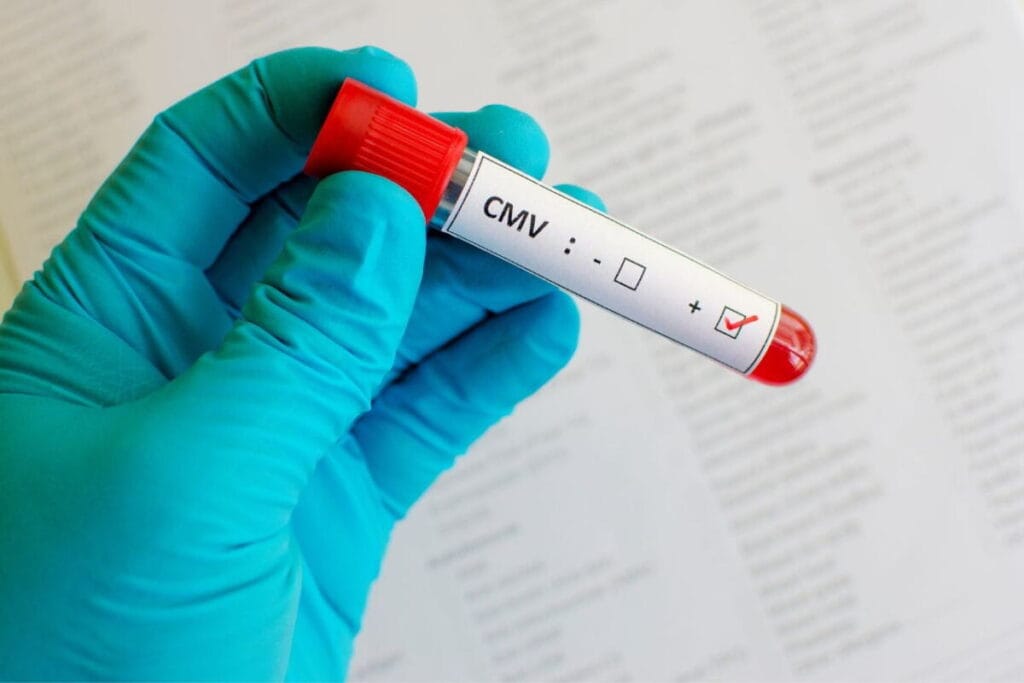
Cytomegalovirus test: who, why and what the results mean
«Why is this virus known to everyone, but almost no one talks about it?» Cytomegalovirus (CMV) is one of the most common viruses in the world. Most infected people do not even realize that they have become its carriers. However, in some situations — especially in pregnant women, newborns and people with weakened immunity — it can become a serious threat. That is why the cytomegalovirus test is an important part of prenatal, immunological and infectious screening. What is cytomegalovirus CMV belongs to the herpesvirus family (Herpesviridae) and has the property of remaining in the body in a latent state throughout life. It is transmitted: through saliva, tears, blood, semen, breast milk during childbirth (vertical route) by organ transplantation during immunosuppression (after chemo- or HIV infection) — it can reactivate In healthy adults, CMV usually does not cause symptoms or manifests itself as a mild cold. But in pregnant women, it is a potential factor in congenital infections, and in people with immunosuppression, serious...
Genetic examination: goals, methods and applications in medicine and law
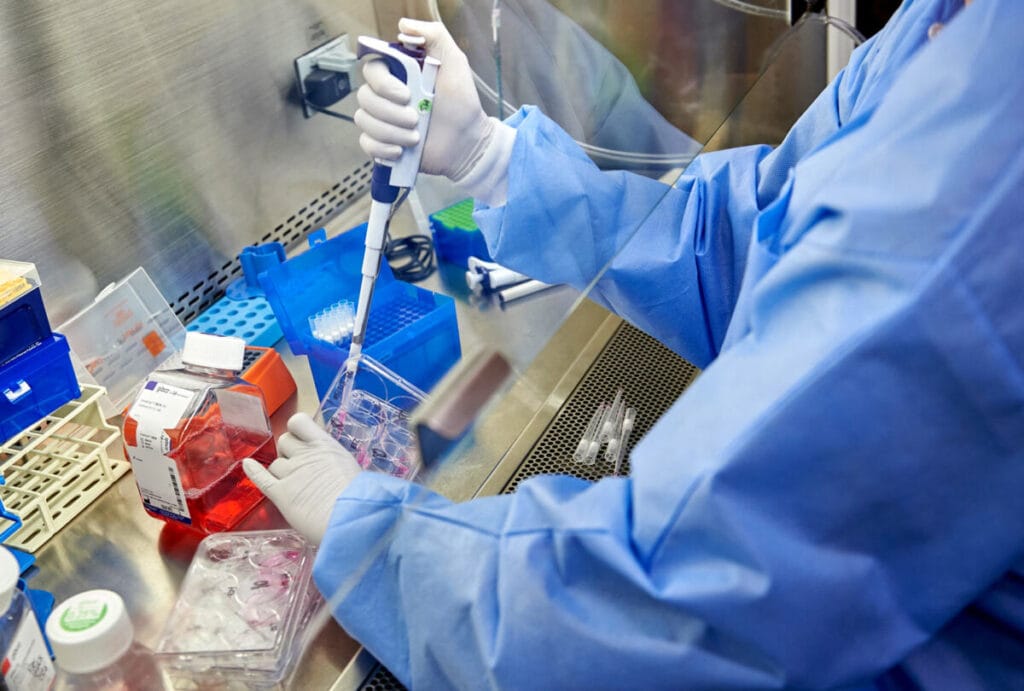
What is genetic testing? Genetic testing is a scientifically based DNA study to identify a person, establish family relationships, or detect genetic changes associated with diseases. It is carried out both for medical purposes (diagnosis of hereditary diseases, oncology) and in a legal context (in criminal and civil cases). This type of study is based on the analysis of unique DNA sections that remain stable throughout a person's life. Main areas of use Medical genetics: detection of mutations associated with hereditary diseases (e.g., Down syndrome, cystic fibrosis, Huntington's disease). Oncogenetics: determination of the risk of developing breast, ovarian, and colon cancer (BRCA1/2, APC). Prenatal diagnostics: examination of fetal DNA for the presence of chromosomal abnormalities. Pharmacogenetics: analysis of drug interactions taking into account the patient's genetic characteristics. Forensic examination: establishment of paternity, identification of a person, examination of DNA traces at a crime scene. Methods of genetic examination Method Purpose Sensitivity PCR (polymerase chain reaction) Rapid detection of specific mutations High DNA sequencing Complete decoding of the genetic code Very high STR analysis Comparison of short repeats for...

Hives: Causes, Symptoms, and What to Do If the Rash Doesn't Go Away
Skin redness, itching and sudden blisters that look like nettle burns - sounds familiar? If so, you may have encountered urticaria - an allergic reaction that can appear at any age and for a variety of reasons. It often occurs suddenly, causes severe discomfort and even panic, especially when the rash spreads throughout the body or is accompanied by swelling. Urticaria is not just a rash, it is a sign that the body is reacting to an irritant or internal imbalance. Sometimes it goes away on its own, and sometimes it becomes chronic, requiring careful diagnosis and long-term treatment. What is urticaria? Urticaria is an allergic or pseudo-allergic reaction that manifests itself in the form of red or pink blisters that rise above the skin level and are accompanied by severe itching. The rash usually disappears within 24 hours, but new elements may appear. Blisters are formed due to the release of histamine and other mediators from skin cells, which dilate blood vessels and cause swelling...

Thyroid Test: Three Stories That Started With Fatigue
Marina, 34 years oldAfter the birth of her second child, Marina felt constantly tired, was cold even in warm weather, and began to gain weight, despite dietary restrictions. A random visit to the therapist ended with a referral for a blood test for TSH. The result: increased TSH and decreased free T4 - classic hypothyroidism. Marina started taking levothyroxine and noticed an improvement in her well-being a month later. What was decisive: - mild but persistent symptoms - TSH level as the main marker - timely diagnosis without a complex examination Alexander, 42 years old Alexander noticed that his heart palpitations became more frequent, he felt anxious, and his body weight decreased, despite his usual diet. After consulting a cardiologist, he underwent a thyroid hormone profile. Results: decreased TSH and increased T4. Ultrasound did not reveal any nodules, but TPO antibodies were extremely high — the doctor diagnosed autoimmune thyroiditis with a hyperthyroid phase. What was decisive:– cardiac symptoms that did not correspond to age– testing for antibodies to...
