


Medilab+
Contactless tests: the future of diagnostics is today

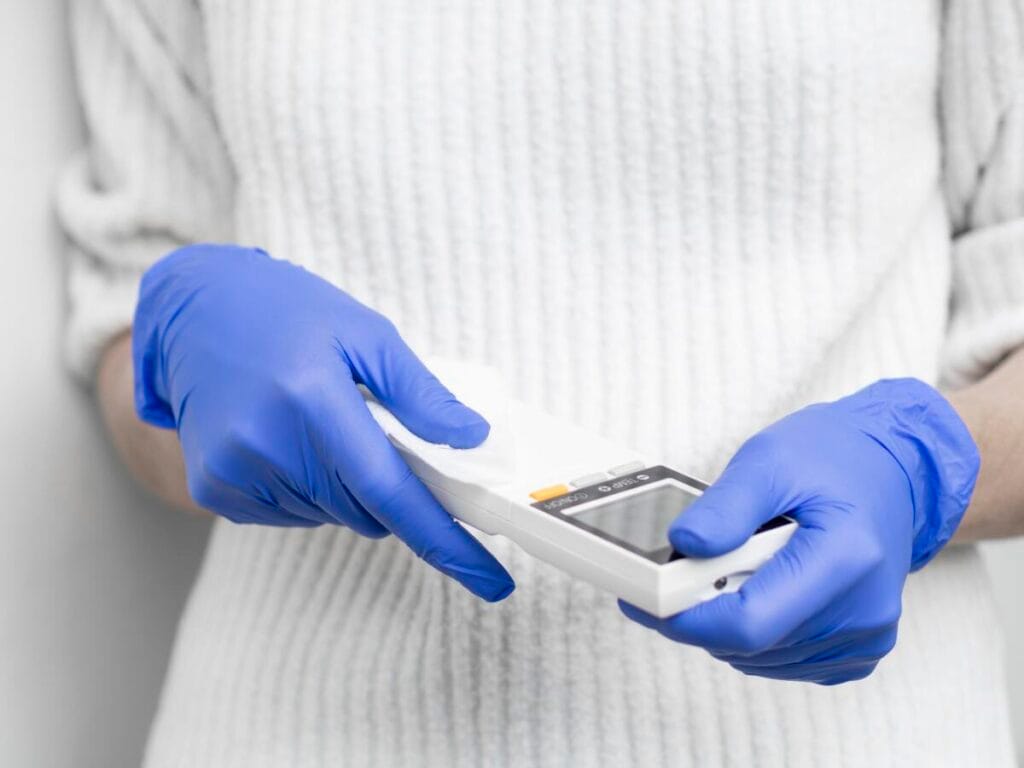
Until recently, blood or urine testing was necessarily associated with needles, containers and queues in laboratories. But modern medicine is changing. Classic methods are being replaced by non-contact tests - innovative approaches that allow diagnosing the state of the body without physically taking biomaterial. Thanks to the development of optical, acoustic, spectroscopic and electronic technologies, it becomes possible to assess glucose levels, pressure, pulse, saturation, hydration, even stress biomarkers - without punctures and pain. This is a revolution in personalized diagnostics. What are non-contact tests? Non-contact tests are methods of assessing health that do not require direct contact with biological fluids or invasive intervention. They are based on the following technologies: optical sensors (reflection, absorption, light scattering) multispectral imaging (including the IR range) electric fields, infrared waves, microwaves analysis of voice, skin, breathing, blood vessel pulsations mobile devices with sensors (gadgets, cameras) Types of non-contact analyses Analysis type Technology What measures Example Optical spectroscopy NIR, IR radiation Glucose, oxygen, hemoglobin Sensors in Apple Watch, GlucoTrack Thermography Infrared...

The effect of caffeine on tests: why you shouldn't drink coffee before a test
Can one cup of coffee really spoil the result? Yes. Caffeine is a biologically active substance that affects the cardiovascular, nervous, and endocrine systems. Even one cup of coffee in the morning before donating blood can: increase blood pressure activate adrenaline release change glucose and cortisol levels cause vascular spasm These changes are not pathological, but can distort laboratory indicators, especially in hormone and biochemistry tests. Tests that caffeine affects the most 1. Hormonal tests Caffeine activates the hypothalamic-pituitary-adrenal system, which leads to an increase in: Cortisol (stress hormone) Adrenaline, noradrenaline Thyroid-stimulating hormone (TSH) - fluctuations are possible Insulin (due to changes in glucose levels) For a correct assessment of the endocrine profile, it is important to donate blood on an empty stomach without coffee for at least 8–12 hours. 2. Biochemical blood test Caffeine affects metabolic processes: Liver enzymes (ALT, AST) - possible increase Glucose - increases due to activation of gluconeogenesis Cholesterol and triglycerides - may fluctuate Urea, creatinine - changes due to...

Tumor markers in bowel cancer: what the patient needs to know
Bowel cancer is one of the most dangerous forms of cancer, which is often detected in the late stages. For timely diagnosis and treatment control, tumor markers are actively used - special substances that are detected in the blood or other biological fluids during the development of the tumor process. The most important tumor markers in bowel cancer CEA (carcinoembryonic antigen) The main marker for monitoring colorectal cancer. Its increase often indicates the presence of a tumor in the colon or rectum. However, it can also be increased in smoking, cirrhosis, pancreatitis, so it is always taken into account comprehensively. CA 19-9 Although this marker is more often used in pancreatic cancer, it also provides valuable information in colorectal cancer, especially in combination with other markers. CA 242 A more specific marker for the intestine. It can detect tumors in the early stages and helps to avoid false-positive results characteristic of CA 19-9. TPS (tissue polypeptide-specific antigen) Shows the rate of cell division. Often increases in aggressive forms of tumors. Its level is used...
Analysis for noradrenaline: what it shows and when it should be taken
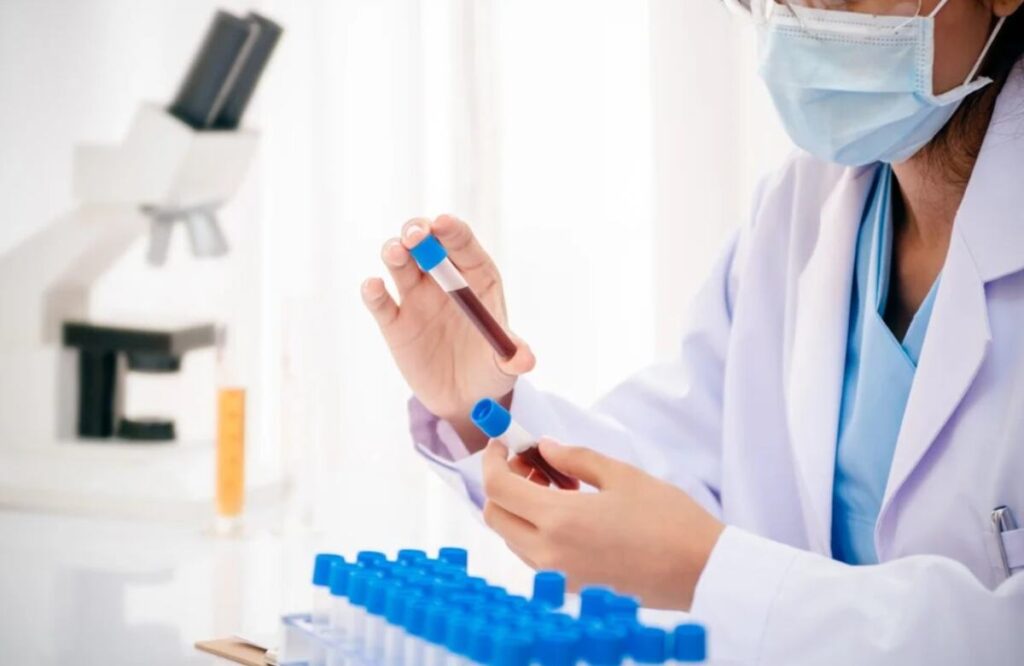
«"I'm constantly stressed. Is this normal or a hormonal failure?" The feeling that the body is working in emergency mode is familiar to many. Constant heartbeat, anxiety for no reason, sudden jumps in blood pressure are not always psychosomatic. Often these symptoms are of a hormonal nature, associated with catecholamines, in particular, noradrenaline. To find out the cause, it is enough to do an analysis for the level of noradrenaline in the blood or urine. What is noradrenaline? Noradrenaline is a hormone and neurotransmitter secreted mainly by the adrenal glands and the sympathetic nervous system. It is responsible for the "fight or flight" reaction, that is: increases blood pressure accelerates heartbeat constricts blood vessels mobilizes energy Normally, noradrenaline helps to cope with stress. But its excess or deficiency leads to disruptions in the cardiovascular system, sleep, mood, and metabolism. When is a noradrenaline test prescribed? Suspicion of pheochromocytoma or paraganglioma (hormonally active tumors of the adrenal glands) Constantly elevated blood pressure for no reason Paroxysmal hypertension with anxiety, sweating, palpitations Arrhythmias of unknown origin...

Bioinformatics: An Intellectual Revolution in Medicine and Life Sciences
Definition and essence of bioinformatics Bioinformatics is an interdisciplinary science that combines biology, computer science, mathematics and statistics to analyze biological data. The main task of bioinformatics is to collect, store, analyze and interpret biomedical information using computer methods. This direction has become especially relevant after the launch of the Human Genome Project, which revealed the need for efficient processing of huge arrays of genetic data. Main directions of bioinformatics Genomics and DNA sequence analysis Bioinformatics allows you to identify mutations associated with the risk of developing hereditary diseases or malignant neoplasms. Using algorithms, it is possible to quickly analyze millions of nucleotide pairs in the genome. Proteomics Analysis of protein structures, their functions and interactions in the cell. Important for the development of new drugs and the study of disease mechanisms. Molecular modeling The use of 3D models to predict protein structures or drug interactions with receptors. This is a key step in pharmaceutical research. Systems biology Models entire biological systems, such as immune responses or metabolic pathways, to predict how an organism will respond to...
Hormonal testing: why, when and how to take the test
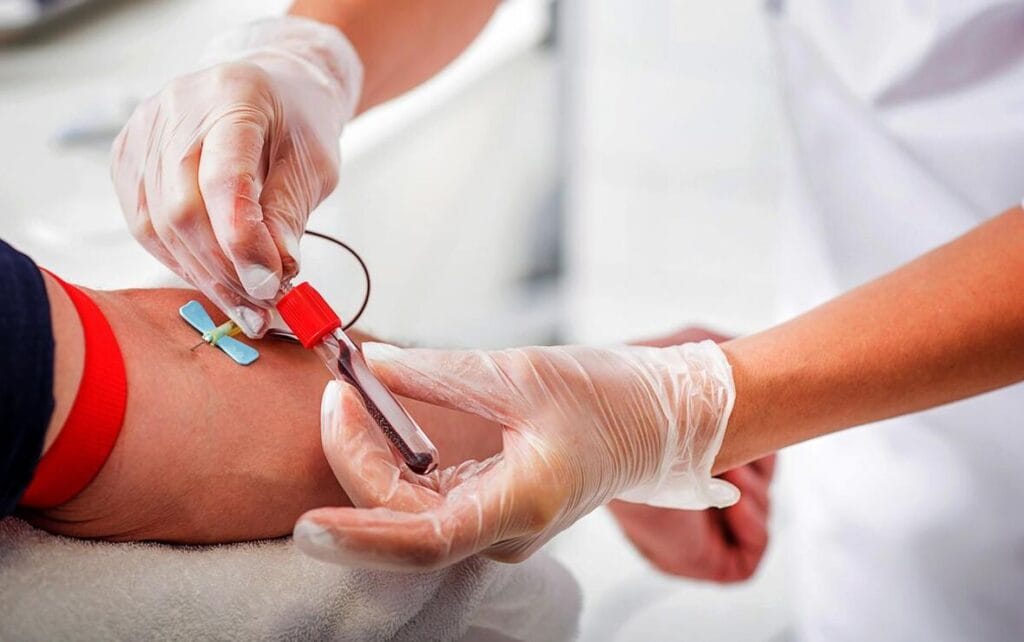
Fatigue for no reason, sleep problems, mood swings, excess weight or acne? Often we look for the answer in diets, cosmetics or anti-stress tips. But sometimes the source of the problem is much deeper. Everything in the body works as a coordinated mechanism, and a "disruption" in the settings at the hormone level can affect the physical and psycho-emotional state. Therefore, checking your hormonal background is not a fashionable fad, but a real tool for maintaining health. What is hormonal background? Hormonal background is the balance of biologically active substances that regulate the functioning of almost all body systems: reproductive, nervous, endocrine, cardiovascular. Even a slight shift in hormone levels can cause serious disorders - from insomnia to infertility. When to pay attention to hormones The need to check your hormonal background arises with the following symptoms: unstable menstrual cycle weight change for no apparent reason acne in adulthood hair loss mood swings, anxiety, apathy decreased libido infertility or problems with...
The intestinal barrier: how the gut protects the body and what happens when it "leaks"«
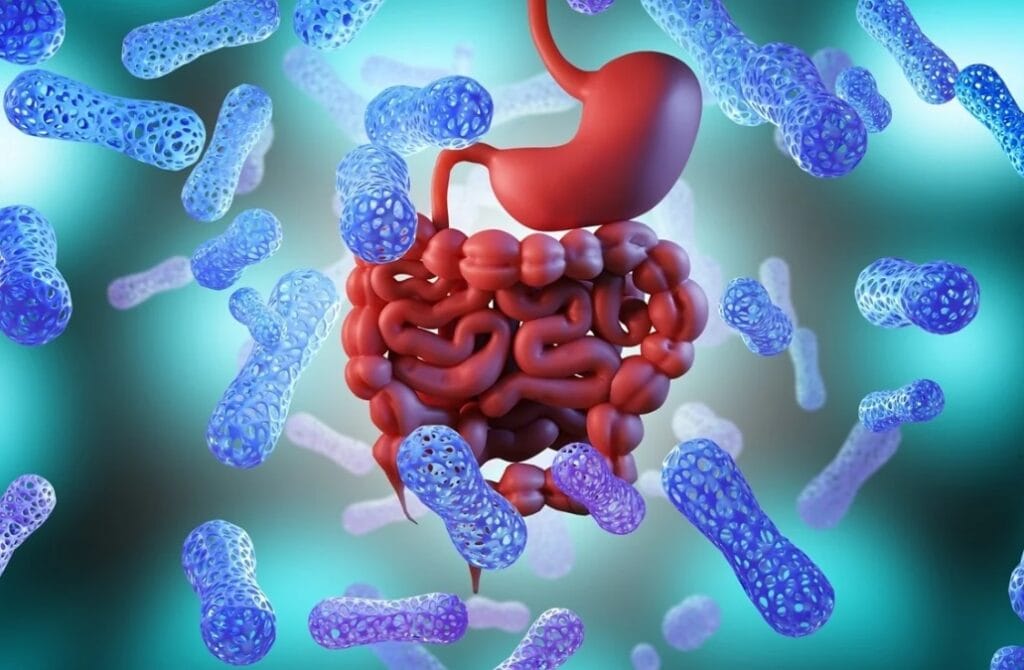
What is the intestinal barrier? The intestinal barrier is a multi-layered defense system that separates the internal environment of the body from the contents of the intestine. Normally, it only allows beneficial substances to pass through: nutrients, water, electrolytes. At the same time, the barrier blocks microorganisms, toxins, and undigested food particles. The barrier consists of several layers: Microbiota is the "first line" of defense that fights pathogens Mucus layer - covers the epithelium, contains mucins and immunoglobulins Epithelial cells - are connected by tight junctions Immune cells (Peyer's patches, macrophages, IgA) - respond to disruptions in integrity When all levels work together, the body does not react aggressively to food or bacteria. Problems begin when the barrier loses its selective permeability. Symptoms of intestinal barrier disruption: chronic bloating, rumbling, discomfort after eating; food intolerance (especially gluten, milk); frequent colds, decreased immunity; "brain fog", fatigue, irritability; skin manifestations - acne, atopy, eczema; predisposition to autoimmune diseases...
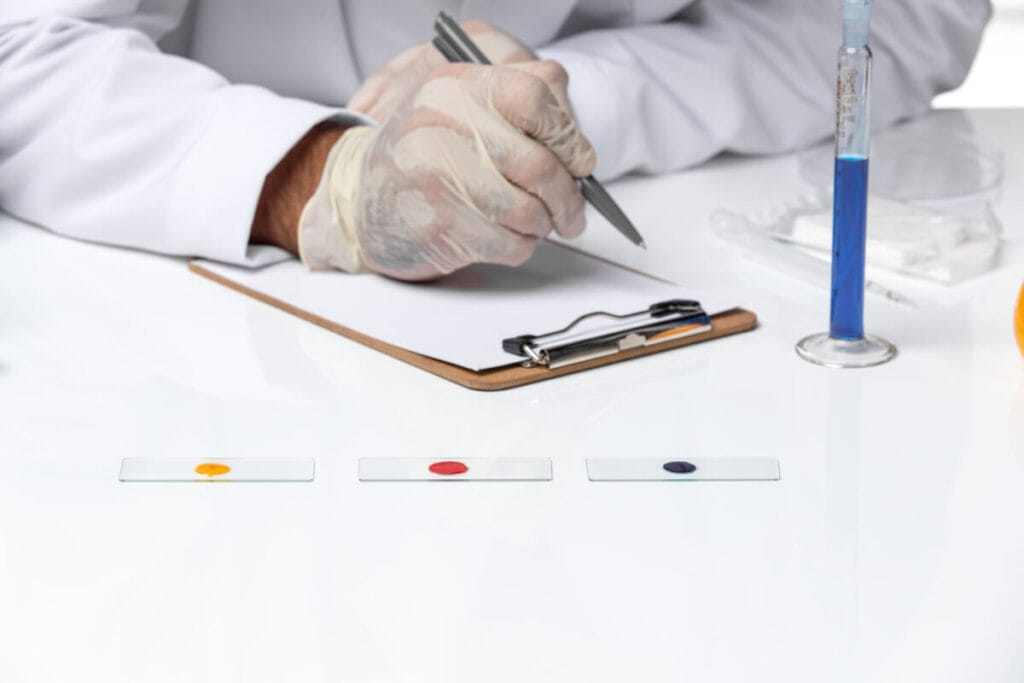
Nutrient testing: why is it needed and how is the examination performed?
Nutrients are substances necessary for the body to ensure vital functions: energy expenditure, growth, tissue renewal, immunity and metabolism. Nutrients include macronutrients (proteins, fats, carbohydrates), micronutrients (vitamins, minerals), as well as other biologically active components. A deficiency or excess of these substances can lead to health disorders, reduced performance and the development of chronic diseases. Who is a nutrient test indicated for? People with chronic fatigue, apathy, or sleep disorders Patients with skin, hair, or nail problems Those who follow a vegetarian or vegan diet Women during pregnancy or lactation Teenagers during active growth Elderly people Those who take medications that affect vitamin absorption for a long time In the presence of chronic diseases of the gastrointestinal tract Which nutrients are most often tested Vitamin D - affects bone condition, immunity, mood Ferritin (iron stores) - a key indicator in case of suspected anemia Cyanocobalamin (vitamin B12) - important for nervous...

Adrenaline blood test: when the stress hormone becomes a marker of disease
What is adrenaline and why should it be measured? Adrenaline is a catecholamine produced by the adrenal glands in response to stress, pain, hypoglycemia, or exercise. It is one of the key hormones that activate the «fight or flight» response: it increases heart rate, blood pressure, glucose levels, and stimulates the release of energy from depots. However, normally its level rises and falls rapidly, leaving no lasting traces. When adrenaline is constantly elevated or is produced unnecessarily, this may indicate endocrine or neurological disorders. Why take an adrenaline test? A blood test for adrenaline is prescribed if there is suspicion of: pheochromocytoma - a tumor of the adrenal glands that produces catecholamines panic disorders, tachycardia of unknown origin hypertension that does not respond to treatment increased sweating, tremor, anxiety without a cause differential diagnosis of autonomic disorders The test can also be used as part of an extended study of adrenal hormones. How is the analysis performed? Venous blood is donated, less often - urine (daily...

Karyotyping: How chromosome analysis helps understand health
«Why can’t we have a child?» – this is often the beginning of the path to karyotyping Couples who have been trying to get pregnant for a long time, women after miscarriages, parents of a child with genetic abnormalities – they are the ones who most often learn about a study called karyotyping. This analysis does not show glucose levels or hormones – it shows the architecture of human chromosomes, that is, the deepest level of our body’s structure. Sometimes it is there – in changes invisible to the eye – that the cause of many medical problems lies. What is karyotyping Karyotyping is a cytogenetic study that allows you to see the number, shape and structure of chromosomes in human cells. Normally, a person has 46 chromosomes (23 pairs), of which one pair determines sex (XX in women, XY in men). The study allows you to detect: extra or missing chromosomes translocations (exchange of sections between chromosomes) inversions (reversal of fragments) duplications or deletions (excess or absence of parts of DNA) When is karyotyping prescribed Infertility...
