
Comprehensive research

“Women's Health” - comprehensive laboratory research
Original price was: 5,920 грн.5,330 UAHCurrent price is: 5,330 грн.
“Female Hormonal Profile I” - a comprehensive laboratory study
Original price was: 3,970 грн.3,570 UAHCurrent price is: 3,570 грн.
“Female Hormonal Profile II” - a comprehensive laboratory study
Original price was: 3,870 грн.3,480 UAHCurrent price is: 3,480 грн.
“Healthy Hair” - a comprehensive laboratory study
Original price was: 5,070 грн.4,560 UAHCurrent price is: 4,560 грн.
“Let's go to kindergarten” - a comprehensive laboratory study
Original price was: 900 грн.810 UAHCurrent price is: 810 грн.
“Let's go to school” - a comprehensive laboratory study
Original price was: 2,500 грн.2,250 UAHCurrent price is: 2,250 грн.
“Sports Health” - comprehensive laboratory research
Original price was: 5,520 грн.4,970 UAHCurrent price is: 4,970 грн.
“Chronic fatigue” comprehensive laboratory study
Original price was: 4,580 грн.4,120 UAHCurrent price is: 4,120 грн.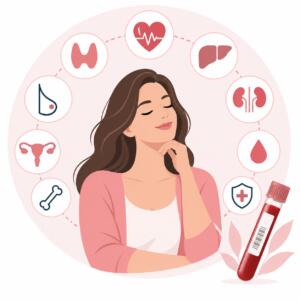
“Annual check-up (women)” comprehensive laboratory examination
Original price was: 8,400 грн.7,560 UAHCurrent price is: 7,560 грн.
“Joint Pain” – Comprehensive Laboratory Test
Original price was: 6,380 грн.5,740 UAHCurrent price is: 5,740 грн.
“Osteoporosis Panel” - a comprehensive laboratory study
Original price was: 1,840 грн.1,650 UAHCurrent price is: 1,650 грн.
“Overweight” - a comprehensive laboratory study
Original price was: 5,600 грн.5,040 UAHCurrent price is: 5,040 грн.Comprehensive laboratory diagnostics programs at the Medi Lab Plus laboratory allow you to quickly and profitably check the condition of the entire body or its individual systems. Package studies combine several important tests into one profile, saving the patient's time and significantly reducing the total cost compared to ordering tests individually.
Advantages of batch laboratory tests
A systemic approach helps to get a holistic picture of the body's condition. A single blood test reflects only part of the overall problem, while ready-made medical packages are designed for in-depth analysis of a specific system or identification of hidden deficiencies. The vast majority of comprehensive studies are performed in just 1 day.
Areas of comprehensive research
The range of package services fully covers the most popular medical requests. Patients can choose from a comprehensive check-up for women, an extended check-up for men, an annual body check-up, mandatory tests for kindergarten and school, as well as a full pre-operative complex of tests. In addition, through the catalog you can order a package of tests for diabetes, anemia diagnostics, a comprehensive study for chronic fatigue, tests for vitamins and trace elements, and a check-up of the health of joints, heart, liver, kidneys or thyroid gland.
Preparation for taking comprehensive tests
Proper preparation ensures maximum accuracy of results. Blood for research should be donated in the morning on an empty stomach. The last meal should be taken 10–12 hours before the procedure.
On the eve of your visit to the Medi Lab Plus laboratory, you should completely avoid fatty foods, alcohol, and significant physical activity. Your drinking regimen in the morning before the analysis should be limited to pure, still water.
For packages that include urogenital scraping, stool or urine collection, it is necessary to follow specific personal hygiene rules in advance and agree with your doctor on taking antibacterial or antiviral medications, as medications can affect the accuracy of laboratory results.

