
Sperm research
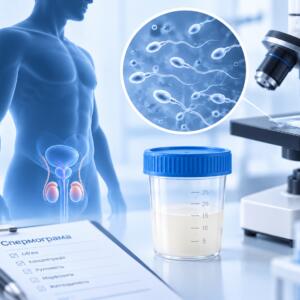
Laboratory semen analysis at Medi Lab Plus allows for a detailed assessment of a man's reproductive function, determining his ability to conceive, and timely detecting hidden inflammatory or infectious processes. Accurate analysis results help specialists develop an effective treatment plan or properly prepare for pregnancy planning.
Types of ejaculate research
This section of the catalog combines key tests for assessing male reproductive health. Patients can order a bacteriological examination of ejaculate with identification of pathogens and determination of antibiogram. A comprehensive analysis allows you to study the physical properties of seminal fluid, concentration, motility and morphology of sperm, as well as exclude the presence of concomitant infections or immune factors of infertility.
Modern standards and accuracy of results
Biomaterial diagnostics are performed on specialized automated expert-class systems in accordance with international EUCAST methodologies. The use of modern analyzers minimizes the human factor in counting cells and determining the sensitivity of microflora to antibacterial drugs. This ensures high accuracy of results for accurate selection of drugs.
Important rules for preparing for sperm donation
The reliability of ejaculate test results directly depends on the implementation of the previous recommendations. The main condition is mandatory sexual abstinence for 2–5 days before the visit to the laboratory.
During this period, it is necessary to completely abandon alcohol, avoid visiting a bathhouse or sauna, do not take a hot bath, and exclude heavy physical exertion.
The delivery of ejaculate culture should be planned before the start of antibiotics or at least 14 days after the end of the course of treatment. Before collecting the material, thorough hygiene procedures must be performed. The sample is collected in a sterile container directly in a specially equipped room in the Medi Lab Plus laboratory, since long-term transportation can significantly change the viability of the cells.

