
Stress and immunity: how emotional state affects the body's ability to fight disease
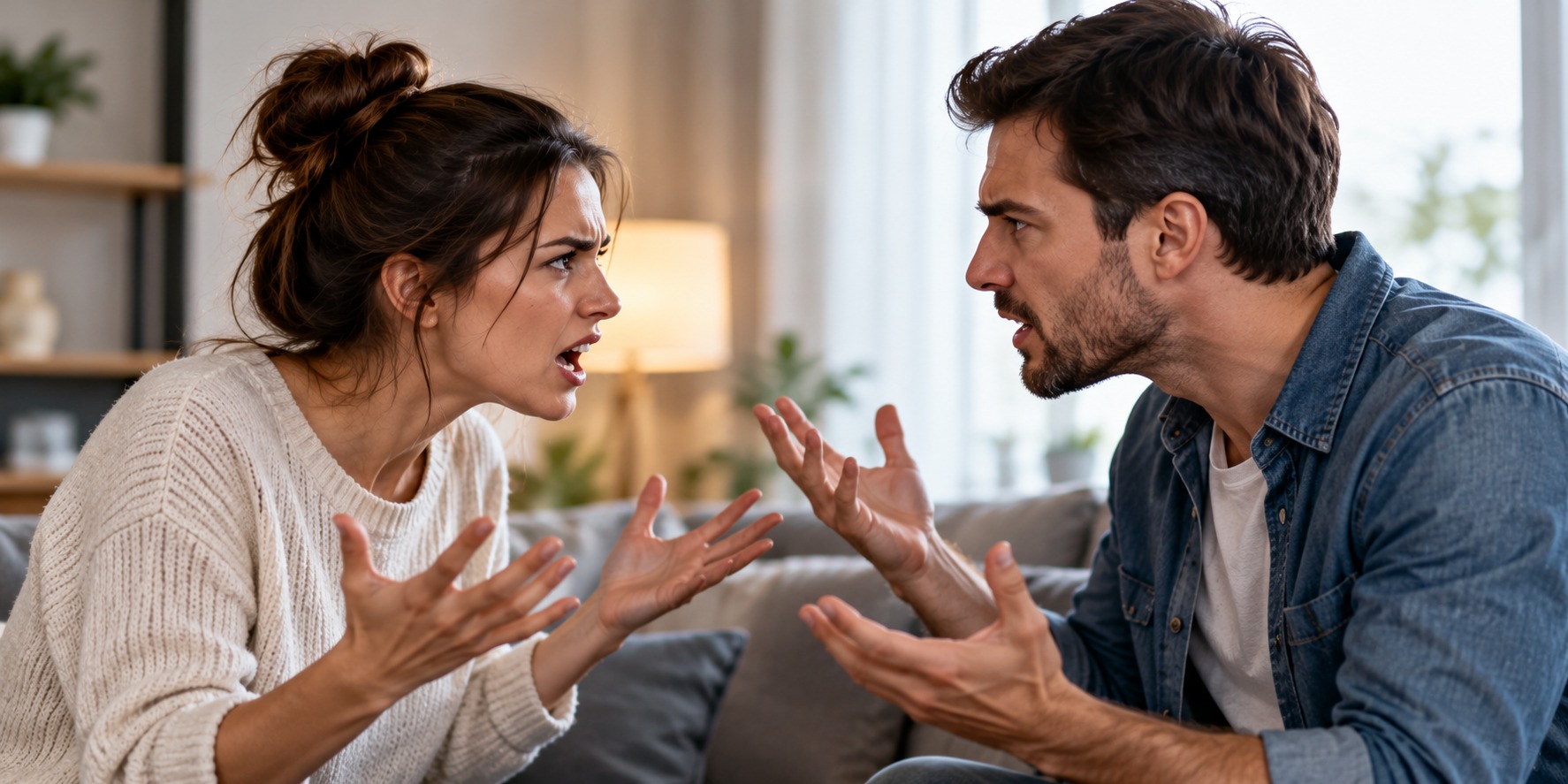
The immune system is not only a defense against infections, but also a constant balance of all body systems. It sensitively reacts to any external and internal changes, including our psychological state. Scientific research in recent decades has confirmed a direct connection between stress and decreased immune defense. This is especially true in the modern rhythm of life, when emotional stress has become a chronic phenomenon.
The biology of stress and its impact on the immune system
In response to any stressful stimulus — physical, emotional, social — the body activates hypothalamic-pituitary-adrenal axis, which stimulates the emission stress hormones: adrenaline, noradrenaline and cortisol.
In the short term, this reaction is useful — it mobilizes strength, speeds up the heartbeat, increases blood glucose levels, and temporarily suppresses unimportant functions, including the immune system. But when prolonged stress:
the activity of natural killer cells (NK cells) decreases
T-lymphocyte production decreases
the balance of cytokines (proteins that control the immune response) is disrupted
the level of pro-inflammatory processes increases
tissue regeneration slows down
So, the immune system loses its ability to respond adequately on viruses, bacteria, atypical cells.
Typical examples of weakened immunity due to stress
| Life situation | Immune response | Clinical manifestations |
|---|---|---|
| Preparation for exams for students | Decreased secretory IgA | Frequent ARVI, sore throats |
| Professional burnout | Suppression of T-lymphocyte activity | Chronic fatigue, decreased resistance to infections |
| Depressive disorders | Cytokine imbalance | Frequent exacerbations of chronic diseases |
| Difficult care for sick relatives | High level cortisol, delayed healing | Skin infections, regeneration problems |
| Constant anxiety | Hyperactivation of the immune response, autoimmunization | The appearance of psoriasis, thyroiditis, rheumatic pains |

What indicates a weakened immune system due to stress
persistent colds (more than 3–4 times a year)
frequent recurrences of herpes, fungal infections
poor healing of wounds or injuries
increased fatigue, apathy, sleep disturbances
worsening allergies or new reactions to foods
reduced vaccine effectiveness (low antibody titer after vaccination)
Why stressful behavior exacerbates the problem
In addition to direct hormonal effects, people in a state of stress often neglect basic healthy habits:
sleep less or poorly
eat irregularly or unbalanced meals
reduce physical activity
refuse social interaction
abuse caffeine, alcohol, or drugs
All this further weakens the body and complicates the work of the immune system.
How to support the immune system during times of stress
1. Regular sleep
The optimal duration is 7–9 hours. It is worth going to bed by 11:00 PM, avoiding screens before bedtime, and creating a bedtime ritual.
2. Complete nutrition
The diet should contain proteins, fats, complex carbohydrates, vitamins A, C, D, E, group B, as well as trace elements (zinc, selenium, magnesium). Useful products: liver, eggs, broccoli, fermented milk products, seeds, fish.
3. Physical activity
30 minutes of exercise daily (yoga, walking, dancing) reduces stress and stimulates lymphocyte activity.
4. Reducing psycho-emotional stress
Practices such as 4–7–8 breathing, meditation, gratitude journals, and art therapy have been proven to be effective in reducing cortisol.
5. Communication and support
Even 10 minutes of calm conversation with a friend or loved one reduces the stress hormone in the blood. Social isolation, on the contrary, increases immune instability.
6. Medical support
During periods of prolonged stress, it is useful to check the general blood test results, vitamin D, glucose, ferritin levels, and perform a basic immunogram. This will allow you to correct deficiencies in a timely manner or identify potential risks.
Stress is an integral part of life, but its impact on the immune system depends on our ability to adapt. Taking care of our psycho-emotional state is not only about our mood, but also about the body's ability to protect itself.

Director of Medi Lab Plus LLC, a doctor of the highest category. Has over 45 years of practical experience in medicine and laboratory diagnostics. Founder and head of the laboratory since 2007. More details…

