
Tick season: dangers and disease diagnostics Medi Lab +

With the onset of spring, when nature comes to life after winter hibernation, one of the most dangerous parasites for humans - ticks - begins to act actively again. Their activity during this period is especially high, which endangers human health due to the possibility of transmitting various diseases. We will consider the main diseases that ticks can transmit, as well as methods for diagnosing these diseases.
Diseases transmitted by ticks
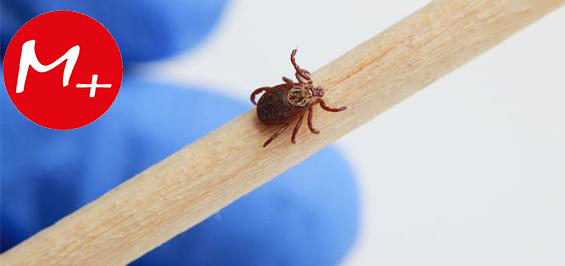
One of the most common diseases that can be transmitted by ticks is Lyme disease. It is caused by the bacterium Borrelia burgdorferi and can have serious health consequences if not detected and treated in a timely manner. Symptoms of this disease can include fever, headache, fatigue, and joint damage.
Another dangerous disease that can be transmitted by ticks is viral encephalitis. This disease affects the central nervous system and can lead to serious complications, including paralysis and even death.
“MediLab” Laboratory: A place for comprehensive diagnostics and research of ticks
Laboratory “Medi Lab +” is a modern medical center that provides a wide range of diagnostic and treatment services. The center offers a variety of tests, including PCR (polymerase chain reaction) and ELISA (immunofluorescence assay).

One of the laboratory services is the examination of ticks for the presence of pathogens, in particular the bacteria Borrelia burgdorferi – the causative agent of Lyme disease. For this purpose, qualitative and real-time PCR analyses are carried out, which allow to effectively detect the presence of pathogenic microorganisms in ticks. Such studies provide an opportunity to detect infection in time and take the necessary measures for treatment.
In addition, in the laboratory “Medi Lab +” you can get professional advice from a doctor and an individual approach to each patient. Thanks to highly qualified staff and modern equipment, the laboratory ensures the reliability and accuracy of test results, which allows patients to receive the best possible medical care.
Diagnosis of tick-borne diseases
Detecting tick-borne diseases is important to prevent serious health consequences. There are various diagnostic methods that can help detect these diseases in a timely manner.
For timely detection of tick-borne diseases, it is important to conduct special tests. Below we will consider the main diagnostic methods:
1. Polymerase chain reaction (PCR)
PCR is a diagnostic method that allows you to detect the presence of DNA or RNA of a specific organism in biological material. In the case of ticks, PCR can be used to detect the presence of the bacterium Borrelia burgdorferi, which causes Lyme fever.
2. Immunofluorescence assay (IFA)
ELISA is a diagnostic method that is based on the detection of antibodies to a specific antigen in the blood. This method can be used to detect antibodies to a bacterium Borrelia burgdorferi, which allows you to detect the presence of Lyme fever.
3. Study of the tick itself
One way to detect the disease is to examine the tick itself for the presence of pathogenic microorganisms. For this, a PCR technique can be used, which allows you to detect the presence of bacteria in the tick. There are also real-time PCR methods, which allow you to detect pathogenic microorganisms quickly and effectively.
The use of these analytical methods allows for timely detection of tick-borne diseases and initiation of treatment, which is key to successful cure and prevention of complications.
Tick Protection: How to Protect Yourself from Unwanted Contact
To protect yourself from ticks and your health, you should follow simple but effective measures.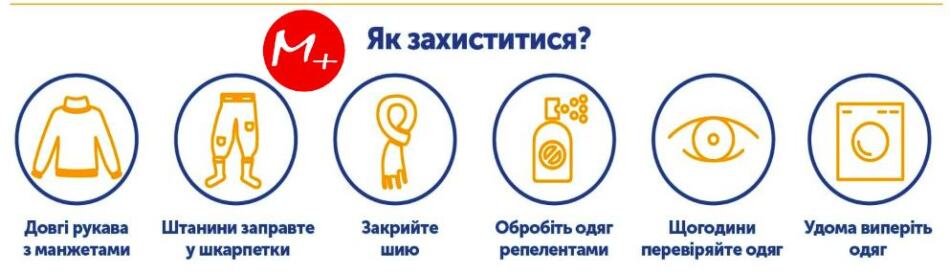
How to protect yourself from ticks
- Wear long sleeves and pants that cover your legs when you are in the woods or open spaces, especially in wet and grassy areas.
- Use repellents containing diethyltoluamide (DEET) or other recommended tick-repellents.
- After being outdoors, inspect your body, including the least accessible areas, for ticks.
- Wear gloves and protective clothing after cleaning and gardening.
How to check clothes
- Before leaving the woods or other area where ticks may be present, check your clothing for these parasites.
- Lift up pants, sleeves, and other parts of clothing and inspect them carefully.
- Also check your pants and the bottom of your shirt, as ticks can easily attach to your skin through clothing.
- Carefully check your hair and scalp, especially if you are wearing a hat or cap.
How to remove a tick
- Use tweezers or a special tool to remove ticks.
- Place the tweezers as close as possible to the skin where the tick is attached.
- Slowly and carefully lift the tick straight up without squeezing its body.
- Avoid twisting or squeezing the tick to avoid releasing its toxins into your bloodstream.
- Use tweezers or a special tool to remove ticks.
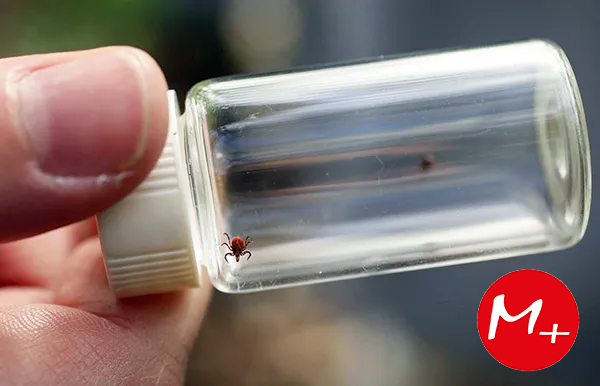
Remove the tick or part of it and store it
- After removing the tick or part of it, place it in a container.
- Add a small piece of cotton wool moistened with saline solution to the bottom of the container.
- Close the container and store it at a temperature of +2 to +8°C.
- The tick can be stored in such a container for up to 5 days.
Sending the tick to the laboratory
- If you find a tick on the weekend or after work, keep the container with the tick at home in the refrigerator.
- On a workday, bring the container with the tick to the laboratory for further examination.
Tick season is a period of increased risk of infection with various diseases that they can transmit to humans. To prevent these diseases, it is important to follow preventive measures and conduct timely diagnostics. Diagnostic methods such as PCR and ELISA allow you to detect these diseases at an early stage, which is key to successful treatment and prevention of complications. Also, testing ticks for the presence of pathogens can help to detect infection in time and take the necessary measures for treatment. In addition, it is important to be aware of possible diseases that may also occur during this period. In particular, Influenza B: properties and symptoms It is worth knowing, as this virus can lead to serious complications, especially in vulnerable populations. Regular vaccinations and immune system support will be additional means of preventing various infections.
On the occasion of tick season and the importance of timely diagnosis of diseases associated with their bites, the laboratory “Medi Lab +” plays a key role in ensuring reliable and accurate diagnostics. Its highly qualified staff and modern equipment allow for a wide range of tests, including the study of ticks and the detection of pathogens transmitted by them. Take care of your health and contact professionals for comprehensive diagnostics and treatment.

Highly qualified cytomorphologist with over 45 years of experience. For 33 years, she headed the cytology laboratory of the regional oncology clinic. Expert in early diagnosis of malignant neoplasms at Medi Lab Plus LLC. More details…

