Iron (Fe, Iron)
170 UAH
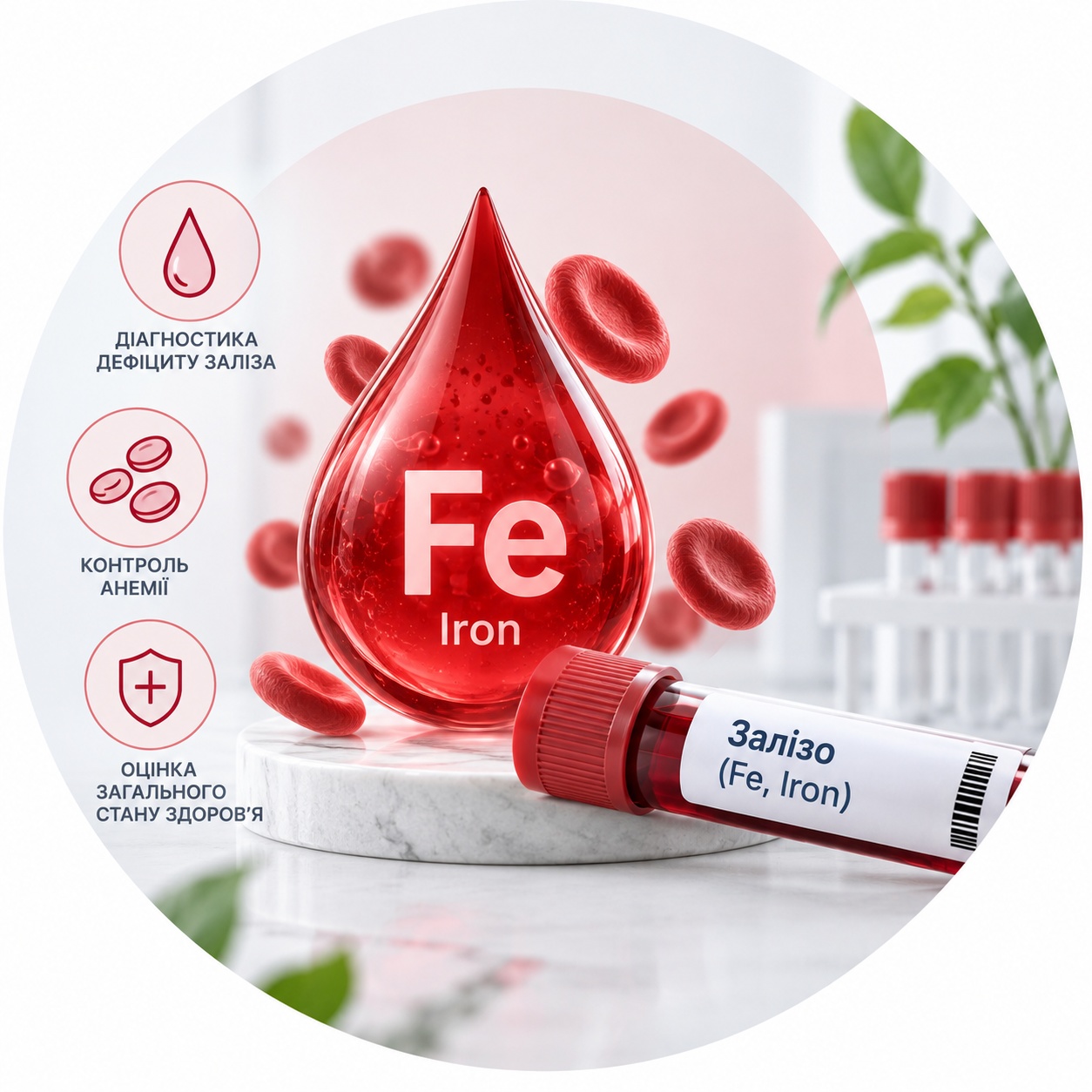
Blood test for serum iron (Fe, Serum Iron) — is a basic laboratory test of the level of a trace element necessary for the synthesis of hemoglobin, the transport of oxygen to tissues, and the normal functioning of respiratory enzymes. The test is used for the primary diagnosis of iron deficiency anemia, assessment of iron stores in the body, monitoring the effectiveness of drug therapy, and for the detection of conditions associated with excessive iron accumulation (hemochromatosis, hemolysis, toxic liver damage).
Biochemical medical analysis for iron (Fe) is an important tool for assessing the level of this trace element in the body. Iron is necessary for the normal functioning of many biochemical processes, including oxygen transport, DNA synthesis, energy metabolism and immune response. Biochemical analysis for iron helps to detect various diseases associated with its insufficient or excessive content in the body.
Importance of iron analysis: Determining the level of iron in the body is important for early diagnosis and monitoring of various medical conditions. Iron deficiency can cause iron deficiency anemia, where there is a decrease in the level of hemoglobin in the blood. Excessive accumulation of iron can lead to diseases such as hemochromatosis, which is characterized by excess iron in the body's tissues.
Types of biochemical tests for iron:
- Serum iron: This test measures the concentration of iron in the blood serum. It is usually measured in micrograms per deciliter (mcg/dL) or micromoles per liter (µmol/L). It indicates the level of iron available for hemoglobin production and other biochemical processes.
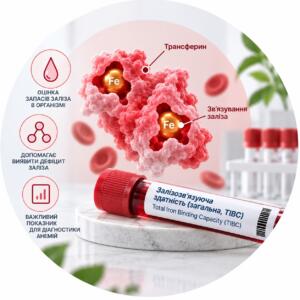
- Total iron content (TIBC): This test indicates the total amount of iron that transferrin (an iron transport protein) can bind. It is also measured in micrograms per deciliter or micromoles per liter. This parameter helps to assess iron deficiency or iron overload.
- Transferrin iron saturation (Transferrin Saturation): This is the ratio of serum iron to total iron binding capacity (TIBC), expressed as a percentage. High saturation may indicate iron overload.
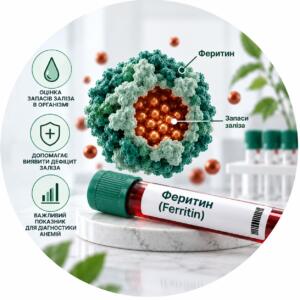
- Serum ferritin: Ferritin is a protein that stores iron in the body. It is measured in nanograms per milliliter or micrograms per liter. High levels of ferritin usually indicate iron overload.
Medical instructions for analysis: Preparation may be necessary before an iron test. Your healthcare provider may advise you not to eat or drink anything before the test, as eating can affect the results. It is also important to follow any medication recommendations before the test.
Decoding the results:
- Iron deficiency: Low serum iron and ferritin levels may indicate insufficient iron in the body, which can lead to iron deficiency anemia.
- Excess iron: High serum iron and ferritin levels may indicate excess iron, which may be related to hemochromatosis or other diseases.
Conclusion: Biochemical medical iron analysis is an important tool for detecting insufficient or excessive levels of this trace element in the body. It helps doctors diagnose diseases such as anemia or hemochromatosis in a timely manner and take the necessary measures to improve the patient's condition. This analysis also allows you to assess Features of transferrin saturation with iron, which is critically important for understanding the overall state of iron metabolism in the body. If abnormalities are detected, the doctor may prescribe additional examinations or treatment, which will help prevent serious complications. Regular monitoring of iron levels can significantly improve the quality of life of patients and prevent the development of complications.
| Execution time | 1 day |
|---|---|
| Type of biomaterial | Venous blood |
Useful tests