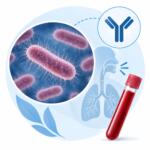
Bordetella pertussis (Whooping cough), IgM
450 UAH
Infectious Disease Panel/Whooping Cough
Description
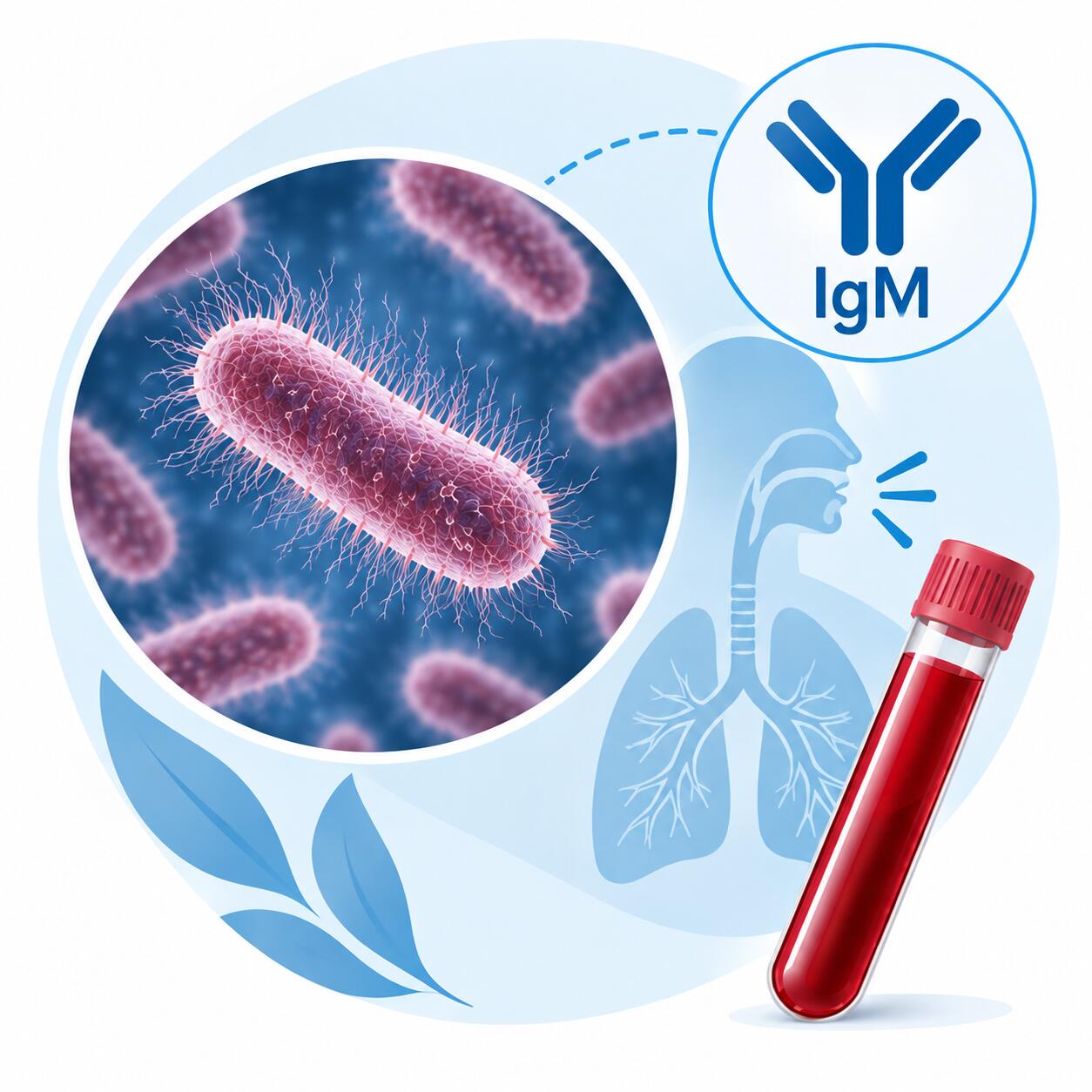
Bordetella pertussis (Whooping cough) is a gram-negative bacterium that causes the disease known as pertussis (characterized by a whooping cough). This infectious disease primarily affects the respiratory tract and is highly contagious, especially among young children and infants. Pertussis is one of the leading causes of death from infections among children worldwide.
Immunoglobulin M (IgM) is one of the main classes of antibodies present in the human body. It plays an important role in detecting and fighting disease-causing agents. When the body is exposed to an infection, it begins to produce specific antibodies, such as IgM, which help identify and destroy the infectious agent.
Spread and transmission of whooping cough:
Pertussis is a widespread infectious disease and is spread from person to person. The main mechanism of transmission is through droplets when an infected person coughs or sneezes, and infectious droplets are released into the air and enter the respiratory tracts of healthy people. People who are not immune to pertussis or have not been vaccinated are at greatest risk of infection.
Chemistry and pathogenesis of whooping cough:
Bordetella pertussis has the ability to attach to cells lining the upper respiratory tract. Once attached, the bacteria begin to synthesize toxins that lead to inflammation and irritation of the respiratory tract. The main toxins secreted by Bordetella pertussis are parahaemolin and pertussis toxin. Parahaemolin causes lysis of white blood cells, which leads to the formation of pulmonary secretions and promotes the spread of bacteria in the respiratory tract. Pertussis toxin leads to acute coughing attacks, which are a characteristic feature of the disease.
Clinical manifestations of whooping cough:
Symptoms of whooping cough can vary depending on age and stage of the disease. The first symptoms are usually similar to the common cold, such as a runny nose, cough, and weakness. Over a few weeks, symptoms worsen, and the person may experience a severe coughing fit that can last for several weeks. The cough can be so intense that it causes breathing problems, nausea, and even vomiting. In young children, especially infants, whooping cough can be dangerous and lead to complications such as pneumonia, convulsions, and even death.
Diagnosis of whooping cough:
The diagnosis of pertussis is often made based on clinical symptoms, especially if the person has not been vaccinated or is not immune to the disease. However, laboratory tests, such as molecular tests to detect genetic material from Bordetella pertussis or serological tests to determine the level of antibodies, particularly IgM, in the patient's blood, can be used to confirm the diagnosis.
Prevention and treatment of whooping cough:
The main method of prevention of whooping cough is vaccination. Vaccination against whooping cough is usually given in childhood and is very effective in preventing the disease and its complications. It is also important to avoid contact with sick people and to follow hygiene rules, including regular hand washing and covering the mouth and nose when coughing and sneezing.
Treatment for whooping cough usually includes supportive care aimed at reducing symptoms and easing the course of the disease. In severe cases, antibiotics may be prescribed to reduce the number of bacteria in the body and prevent complications.
Conclusion:
Bordetella pertussis is a serious pathogen that causes whooping cough, which can be dangerous, especially for young children and infants. Vaccination and good hygiene are key methods in preventing this infection. Early detection and proper treatment can help avoid complications and promote a faster recovery.
Additional information
| Execution time | 1 day |
|---|---|
| Type of biomaterial | Venous blood |
Related products