Sold out
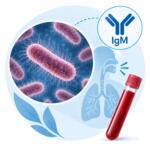
Bordetella pertussis (Whooping cough), IgA
0 UAH
Infectious Disease Panel/Whooping Cough
Out of stock
This product is currently sold out.
No worries! Enter your email, and we'll let you know as soon as it's back in stock.
Description
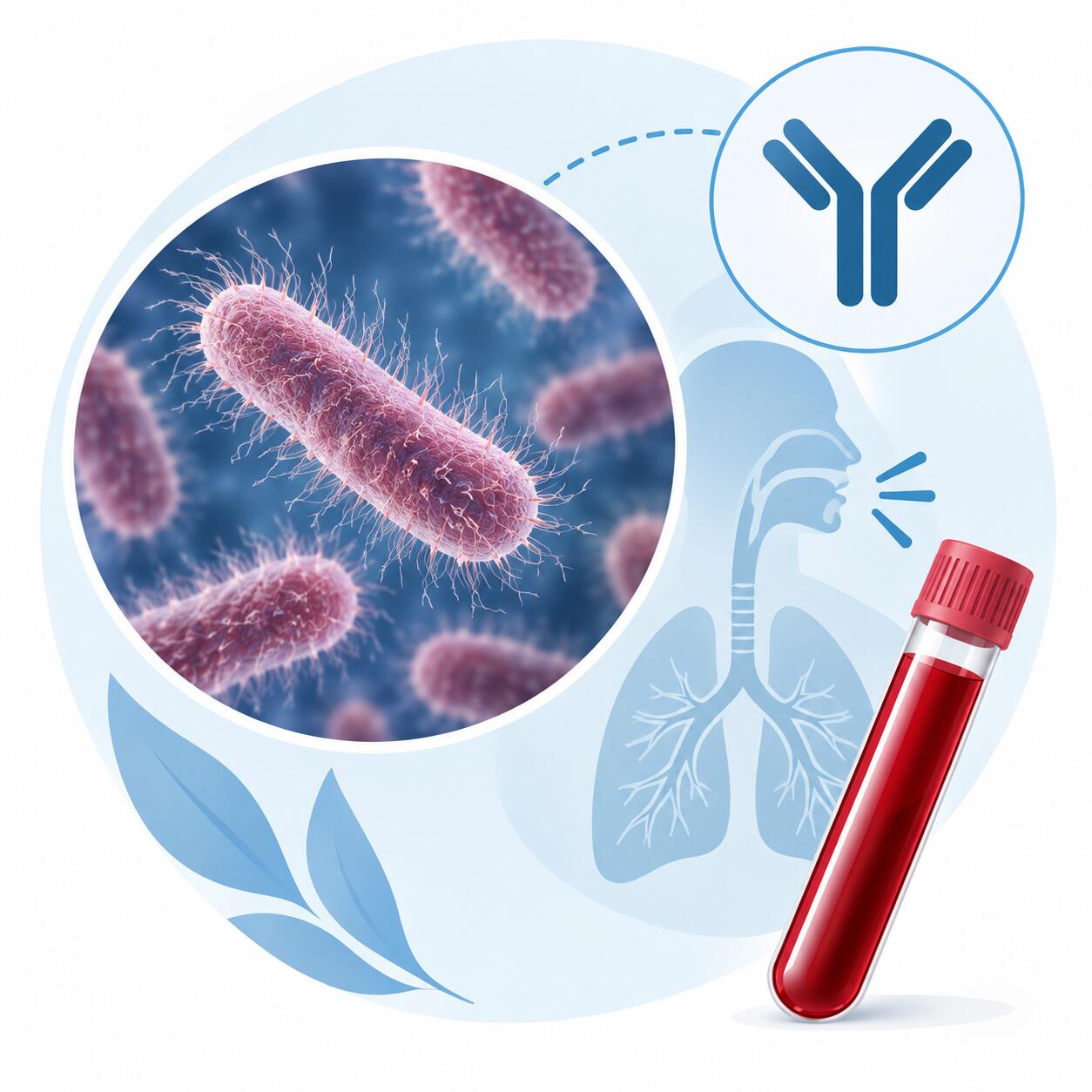
Bordetella pertussis, also known as pertussis, is a gram-negative bacterium that causes an acute respiratory disease known as whooping cough. This bacterium is distributed worldwide and is an important cause of death in thousands of infants and young children.
Whooping cough is an airborne disease transmitted primarily through coughing or sneezing by an infected person. B. pertussis bacteria inhabit the upper respiratory tract and cause inflammation of the respiratory mucosa, leading to severe coughing and paroxysmal coughing attacks.
The immune response to Bordetella pertussis involves different classes of antibodies, such as IgA, IgM, and IgG. The generation of immune defenses, particularly those dependent on IgA antibodies, is critical for fighting the infection and preventing its spread.
IgA (immunoglobulin A) is a class of antibodies that is primarily found in the mucous membranes of the respiratory tract, nose, mouth, stomach, intestines, and other mucous membranes. Its primary role is to protect the body from infectious agents that attempt to penetrate the mucous membranes.
IgA antibodies produced in response to Bordetella pertussis infection penetrate the upper respiratory tract, where they actively interact with the bacteria, leading to their inactivation and facilitating their elimination from the body. This reduces the risk of spreading the infection and developing severe complications.
Children who do not yet have a fully developed immune system are at particularly high risk of developing whooping cough. This is why vaccination against whooping cough is so important. The whooping cough vaccine contains components of the Bordetella pertussis bacteria that trigger an immune response and help protect against infection.
IgA antibodies play a key role in protecting mucous membranes and preventing the entry of harmful bacteria and viruses. Due to their diversity and specificity, they can interact with a wide range of microorganisms and prevent their spread in the body.
Despite the importance of an immune response, Bordetella pertussis still poses a threat to infants, children, and immunocompromised individuals. Immunization is the most effective way to control the spread of whooping cough and prevent serious complications.
In general, ensuring a strong immune response, particularly IgA antibodies, plays a critical role in fighting infectious diseases such as whooping cough. Vaccination and good hygiene are important ways to support the body's immune system and prevent the spread of disease.
Additional information
| Execution time | 1 day |
|---|---|
| Type of biomaterial | Venous blood |
Related products