
Bacteriological examination of biomaterial for Staphylococcus aureus (MRSA) with determination of the antibiogram using automatic analyzers AF300; Scan4000 according to the EUCAST methodology
850 UAH
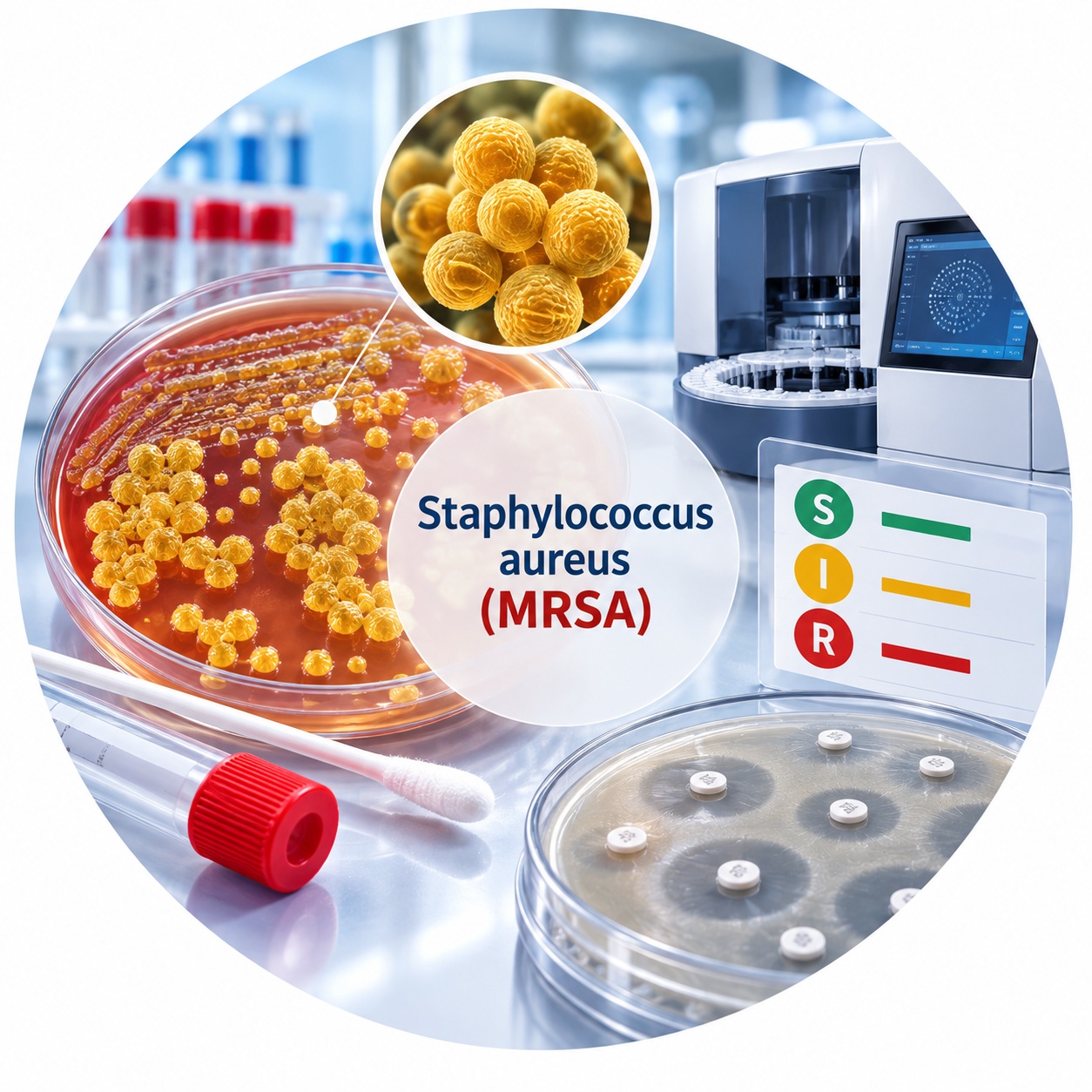
Bacteriological examination of biomaterial on Staphylococcus aureus (MRSA) — analysis to detect Staphylococcus aureus and determine its sensitivity to antibacterial drugs. Antibiogram studies according to the methodology EUCAST helps to establish which antibiotics may be effective against the identified strain, in particular to identify signs of methicillin resistance (MRSA).
Bacteriological examination of biomaterial on Staphylococcus aureus (MRSA) with determination of antibiogram — a comprehensive laboratory analysis that allows you to detect Staphylococcus aureus, identify it, and determine the sensitivity of the isolated microorganism to antibacterial drugs.
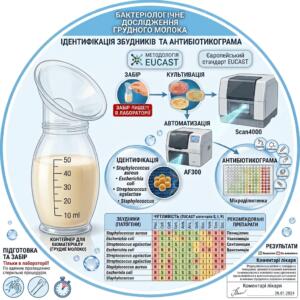
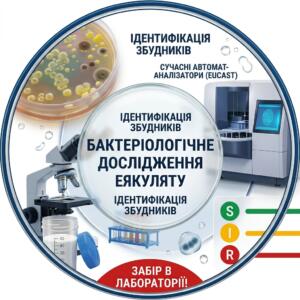
The study is conducted using automated analyzers. AF300 and Scan4000 according to the methodology EUCAST. This approach allows for a standardized assessment of antibiotic susceptibility of a specific isolate.
What is Staphylococcus aureus?
Staphylococcus aureus — a bacterium that can live on human skin and mucous membranes without any symptoms. However, under certain conditions, it can cause infections of the skin, soft tissues, wounds, and other organs.
Therefore, the very fact of detection S. aureus does not always indicate the presence of disease. The result must be evaluated taking into account the site of sample collection, the nature of bacterial growth, symptoms and clinical situation.
What does MRSA mean?
MRSA (Methicillin-resistant Staphylococcus aureus) — strain Staphylococcus aureus, which has mechanisms of resistance to methicillin and the corresponding group of β-lactam antibiotics.
Detection of MRSA is of practical importance because the usual susceptibility of a bacterium to individual antibiotics cannot be assumed based on the type of microorganism alone. That is why, after isolating a culture, its antibiotic susceptibility testing is performed.
What does the analysis determine?
During the study, the following are assessed:
- presence or absence Staphylococcus aureus;
- identification of the isolated culture;
- signs of methicillin resistance;
- sensitivity of bacteria to antibacterial drugs;
- the sensitivity category of each drug tested;
- according to the appropriate methodology - minimum inhibitory concentration (MIC).
The data obtained form antibiogram, which is an important part of the laboratory result.
Antibiotic test: what do the results show?
The antibiogram characterizes the reaction of a specific isolated strain to the tested antibacterial drugs.
The result may contain the following notations:
S — sensitive at standard drug exposure.
I — sensitive under conditions of increased drug exposure.
R — resistant, i.e. insufficient effectiveness of the drug is expected under appropriate conditions of use.
If the laboratory method involves the determination of MIC/MPK, this indicator reflects the lowest concentration of an antibacterial drug that inhibits the growth of a particular isolate.
The list of antibiotics in the antibiogram may vary depending on the isolated microorganism, the type of biomaterial, and the laboratory technique used.
What biomaterial is being studied?
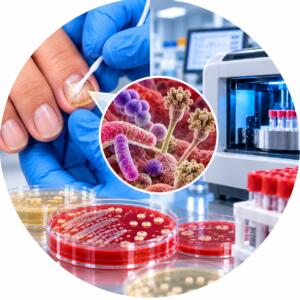
Different clinical material can be used for bacteriological examination, depending on the localization of the possible infectious process.
These can be:
- nasal swab;
- throat swab;
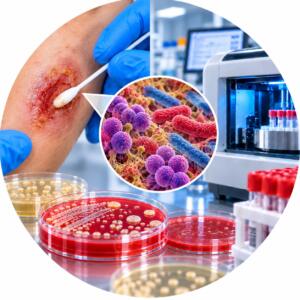
- wound material;
- skin discharge;
- other biomaterial as prescribed by a doctor.
The type of material and the method of its collection are determined depending on the purpose of the study.
When is the analysis recommended?
The study may be prescribed for:
- purulent-inflammatory skin diseases;
- infected wounds;
- recurrent staphylococcal infections;
- prolonged or recurrent inflammatory process;
- suspected MRSA carrier;
- lack of the expected effect of previous antibacterial therapy;
- the need to determine the sensitivity of the pathogen to antibiotics;
- epidemiological indications or examination of contact persons on the recommendation of a doctor.
Research parameters
The main parameters that can be presented as a result:
| Parameter | What is determined |
|---|---|
| Staphylococcus aureus | Presence or absence of bacteria |
| Identification | Type of isolated microorganism |
| MRSA | Signs of methicillin resistance |
| Antibiotic test | Sensitivity to the tested antibacterial drugs |
| S / I / R | Clinical sensitivity category |
| MIC/MPK | Minimum inhibitory concentration, if determined by the method |
Preparation for analysis
The most informative bacteriological study is when the material is correctly selected and delivered to the laboratory.
Before collecting the material, it is important to:
- if possible, conduct research before starting antibacterial therapy;
- inform the doctor or laboratory worker about taking antibiotics;
- follow the preparation rules for the specific type of biomaterial being submitted;
- do not apply antiseptics or other local remedies to the incision site without appropriate recommendations;
- Do not stop self-prescribed treatment.
If antibacterial therapy is already underway, the optimal time for taking the material is determined by the doctor.
How to understand the result
Staphylococcus aureus not detected — no bacteria were isolated in the tested sample.
Staphylococcus aureus detected — the presence of Staphylococcus aureus has been laboratory confirmed. To determine the clinical significance of the result, symptoms, site of sampling, and other data are taken into account.
MRSA detected — the isolated strain has signs of methicillin resistance. In this case, the antibiogram becomes of particular importance.
Sensitivity S detected — laboratory data indicate expected susceptibility to the drug under the conditions specified by the testing criteria.
I — the drug may be effective provided that there is an appropriate increased exposure, which the doctor takes into account when prescribing treatment.
R — laboratory-determined resistance to the corresponding drug.
Why is it important to do an antibiogram?
Staphylococcus aureus can have a different antibiotic resistance profile. Therefore, the choice of drug is based only on the fact of detection S. aureus is not always justified.
Antibiotic resistance testing allows you to obtain information about: specific strain isolated from a patient, and helps the doctor choose further tactics of antibacterial therapy.
This is especially important when there is suspicion of MRSA, repeated infections or lack of effect from previous treatment.
Important recommendations
The result of the bacteriological examination should not be evaluated separately from the clinical manifestations. Staphylococcus aureusmay be part of the normal colonization of the skin or mucous membranes, so the detection of the bacterium does not always mean an infection that requires antibiotic therapy.
Antibiotic resistance also is not an independent treatment prescription. The final choice of antibacterial drug depends on the location of the infection, symptoms, severity of the process, concomitant diseases, and laboratory test results.
Medi Lab Plus conducts bacteriological examination of biomaterial on Staphylococcus aureus (MRSA) with determination of antibiogram according to the methodology EUCAST using AF300 automated systems and Scan4000. The results help the doctor obtain objective information about the pathogen and its antibiotic susceptibility profile.
| Execution time | 48-56 hours |
|---|