
Treatment of dysbacteriosis: what you need to know without myths
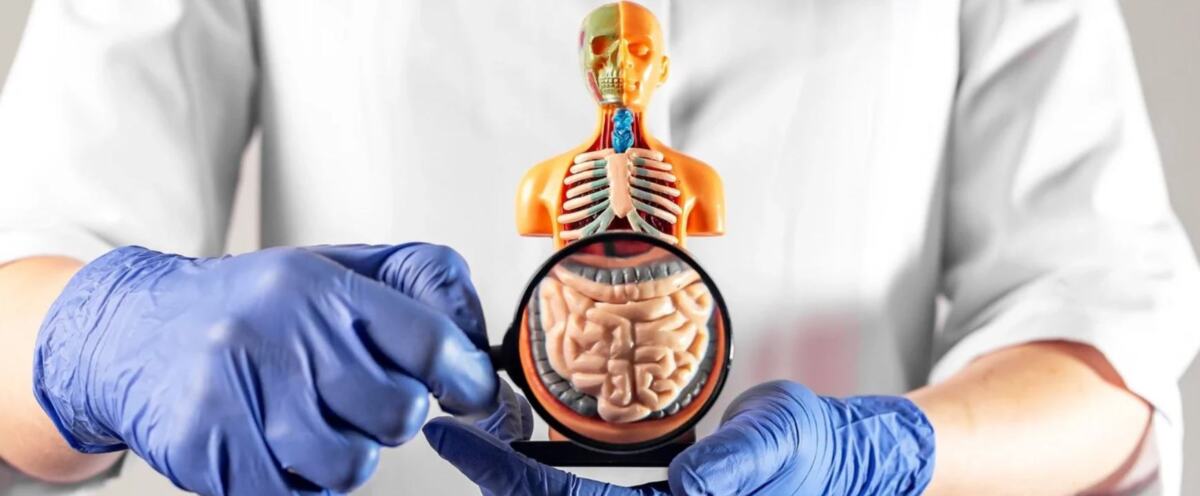
The term "dysbiosis" is still very often used in everyday life when it comes to bloating, rumbling, unstable stools, constipation or diarrhea. But in modern medicine, people often talk about microbiota disorders or dysbiosis - that is, about an imbalance of microorganisms in the intestine. This is important because it is not the term itself that needs to be treated, but the cause of the symptoms: the effects of antibiotics, irritable bowel syndrome, infection, SIBO, or another condition.
That is why the treatment of dysbacteriosis cannot be the same for everyone. If in one person the problem began after antibiotics, and in another it lasts for months with abdominal pain, bloating and alternating constipation and diarrhea, the approach will be different. In some people, the symptoms are indeed associated with a temporary disturbance of the microflora, but in others it is due to a functional disorder or even a separate intestinal disease.
What is most often meant by dysbacteriosis?
Most often, this word describes the following symptoms:
- bloating;
- gas formation;
- unstable stool;
- discomfort after eating;
- diarrhea after antibiotics;
- a feeling that the intestines are "not working properly.".
The problem is that these complaints are not specific to a microbiota disorder. They can also be caused by irritable bowel syndrome, bacterial overgrowth in the small intestine, the effects of an infection, or a reaction to certain foods. Therefore, the treatment of dysbacteriosis should not begin with a random drug, but with understanding what exactly is causing the symptoms.
Do probiotics help?
Probiotics — one of the most common answers to a question about treating dysbiosis. They can be helpful in some situations, but they are not a universal solution. The US National Center for Complementary and Integrative Health notes that probiotics can help with antibiotic-associated diarrhea in young and middle-aged people, but their benefit depends on the specific strain, dose, and clinical situation. So a probiotic "for everything for the gut" is more marketing than precision medicine.
Simply put, probiotics may be appropriate after an illness or a course of antibiotics, when there is a suspicion that the microflora has been temporarily affected. But if the symptoms last a long time, worsen or recur, probiotics alone often will not solve the problem. In such a situation, you need to look for the cause, and not endlessly change jars from advertising.
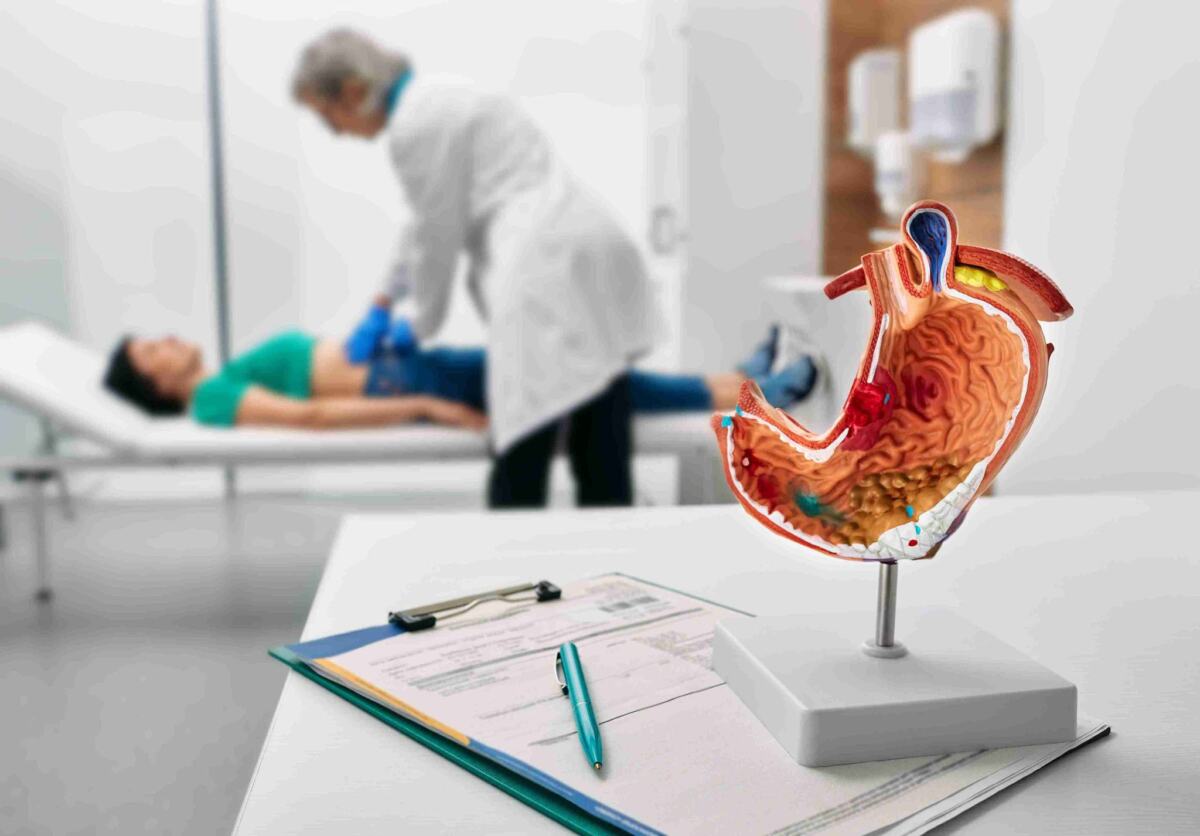
When should dysbiosis treatment be different?
There are situations when the complaints are not simply due to «disturbed microflora». For example, with SIBO, i.e. excessive bacterial growth in the small intestine, there may be gas formation, diarrhea, abdominal pain, weight loss and impaired absorption of nutrients. In such cases, the basis of treatment is most often not probiotics, but targeted therapy and correction of the cause that led to this condition.
A separate situation is diarrhea after antibiotics, associated with C. diff. In this case, you should not limit yourself to the idea that it is simply dysbacteriosis. The NHS notes that treatment for C. diff usually involves stopping the previous antibiotic, if possible, and prescribing another course of antibiotics that are effective against this infection. This is no longer a story about «restoring microflora with kefir», but about a specific medical problem.
When you need an examination, not self-treatment
Don't blame everything on dysbacteriosis, if there are any worrying symptoms. These include:
- blood in the stool;
- unmotivated weight loss;
- severe or persistent abdominal pain;
- prolonged diarrhea;
- pronounced weakness;
- signs of dehydration;
- symptoms that do not go away or return frequently.
In such cases, a doctor's consultation is necessary, because the cause can be completely different - from an infection to an inflammatory or functional intestinal disease. This is where the truly correct treatment of dysbacteriosis begins: not with a random scheme from the Internet, but with a normal assessment of symptoms.
What can really help?
In most cases, a useful approach looks like this:
- assess when the symptoms started and what they are related to;
- do not prescribe antibiotics yourself;
- don't expect one probiotic to solve every problem;
- pay attention to food triggers;
- maintain water balance during diarrhea;
- Consult a doctor if symptoms persist or worsen.
When a person seeks treatment for dysbiosis, they often want a simple answer. The most honest answer is this: sometimes time, a gentle diet change, and recovery from antibiotics are enough, but sometimes there is a condition behind it that requires a completely different approach. Therefore, the best strategy is not to treat "«microflora» at random, but to understand what exactly causes the symptoms and how to work with it correctly.

Director of Medi Lab Plus LLC, a doctor of the highest category. Has over 45 years of practical experience in medicine and laboratory diagnostics. Founder and head of the laboratory since 2007. More details…

