
Testosterone tests: how to prepare for accurate results
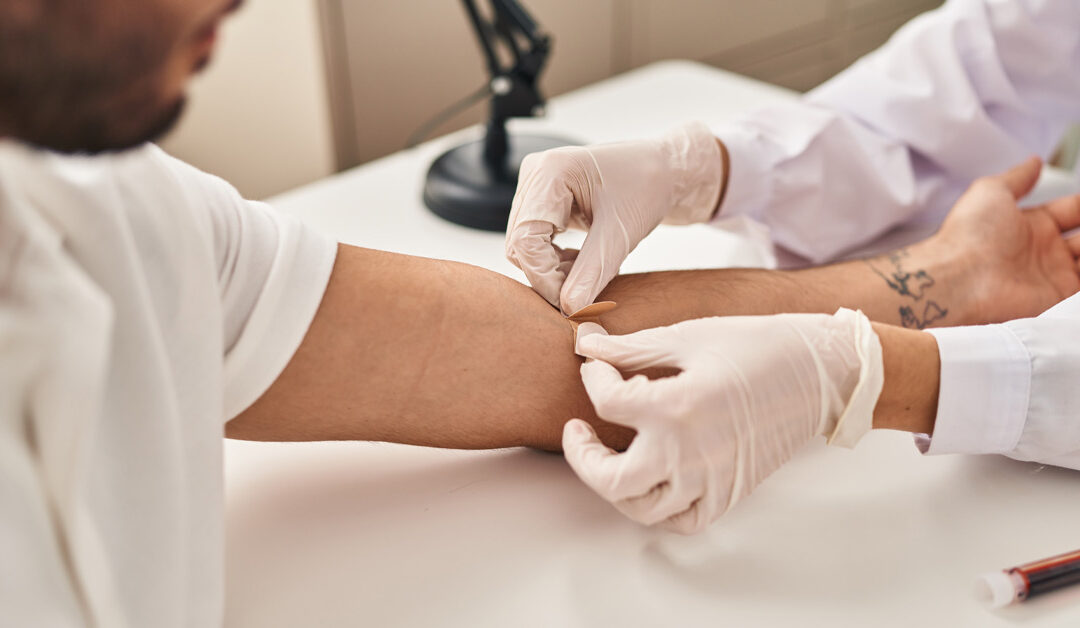
A testosterone test seems simple: you go to the lab, get your blood drawn, and get a number. But in reality, it’s a bit more complicated. Testosterone levels fluctuate throughout the day, can temporarily drop during acute illness, and depend on sleep, food intake, and even whether a person works night shifts or not. That’s why an improperly prepared test can easily give you a result that’s frightening or confusing, even though there may be no real problem.
The most important thing to know right away: “low testosterone” alone does not mean a diagnosis. To establish a deficiency, not only complaints are needed, but also consistently low indicators, confirmed repeatedly. That is why a good result here depends not only on the laboratory, but also on proper preparation.
Why is it so easy to fake a testosterone test?
Testosterone is not a stable number that is the same at any time of the day. In men, its level is usually highest in the morning and gradually decreases throughout the day. Because of this, the same person may get different results if they donate blood at 9 am and, for example, in the afternoon. That is why for men it is recommended to take a sample in the morning, approximately around 9:00 and no later than 10:00.
In addition to the time of day, acute illness can affect the result. During an infection, fever, severe inflammation, or other acute condition, testosterone levels can temporarily decrease. After recovery, this level often returns to normal for a person. Therefore, taking the test “just in case” while you are still recovering from a cold, flu, or other illness is a bad idea.
When is the best time to take the test?
For men, the best time is in the morning. It is advisable to donate blood at around 9:00, no later than 10:00. This is when the result is most indicative. If you take the test later, you may get a lower value only due to the natural circadian rhythm, and not due to a real deficiency.
There is another important point: it is desirable that at the time of analysis the person was in a normal condition, without fever, acute inflammation, or severe exhaustion. If you have just been sick or are clearly not feeling your usual self, it is better to postpone the examination than to retake it later because of a questionable result.
Do you need to be on an empty stomach?
Yes, for testosterone analysis this is preferably. Clinical guidelines and hospital instructions advise taking the sample in the morning on an empty stomach or at least after a night's break from eating. This is because food, especially carbohydrate loading, can reduce testosterone levels in the blood and make the result less accurate. Therefore, the best option is to take the test in the morning before breakfast.
If the laboratory gives its own separate preparation rules, you should be guided by them. But in general, the morning fasting blood test — the best option if the task is to obtain the most accurate result.
What else can affect the figure?
It’s not just food and time of day that can affect the result. Sleep also matters. If a person works night shifts, constantly doesn’t get enough sleep, or has a very disrupted schedule, the morning peak of testosterone can be altered. For such people, the usual rule of “take the test at 9 a.m.” is not always so clear-cut, because their hormonal rhythm no longer coincides with the standard daily schedule.
In addition, testosterone can be affected by excess weight, alcohol abuse, opioid drugs, steroid pills, or other medications. Therefore, before It is important to tell the doctor about the analysis. not just about your symptoms, but also about anything you are taking or have taken recently. Otherwise, you may get a result that is difficult to explain correctly.
Why one analysis is often not enough
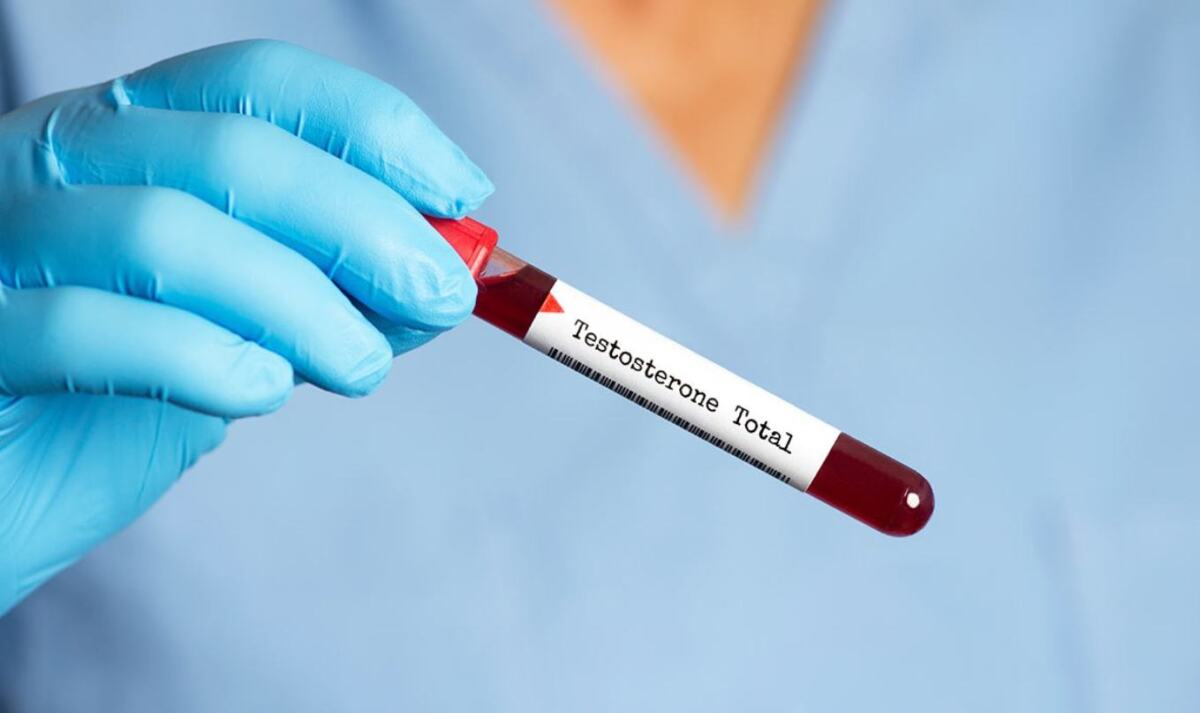
One of the most common mistakes is to see one low result and immediately decide that “testosterone is low.” In fact, the correct approach is different. If the first result is low or borderline, it usually needs to be confirmed again — again in the morning and on an empty stomach. At least two separate morning measurements are needed to establish a deficiency, especially in symptomatic men.
This is especially important because testosterone can decrease temporarily. If do not repeat the analysis, you can either get scared unnecessarily, or, on the contrary, start treatment where it would be worth checking the situation again first.
What additional indicators may be needed?
If the result is not entirely clear or is borderline, the doctor may prescribe not only total testosterone. Sex hormone binding globulin is often added, as well as luteinizing і follicle-stimulating hormones. In some cases, they also look at the general blood test and liver function tests indicators. This is not needed “for the sake of quantity”, but to understand where exactly the problem lies: in the testicles, in regulation by the pituitary gland, or in the fact that total testosterone appears lower due to the characteristics of proteins in the blood.
That is why you should not interpret only one number on the form on your own. Sometimes borderline total testosterone without these additional indicators does not give a complete picture at all.
If you have night shifts or very disturbed sleep
For men who work night shifts or have severely disrupted sleep patterns, the situation is different. Their morning peak testosterone levels may not be the same as those of people with a regular schedule. This does not necessarily mean they are deficient. It is just that the standard rule of the morning peak does not work as well in such cases. If this is your situation, it is better not take the test at random, but immediately discuss with the doctor when exactly to do it so that the result is truly indicative.
When not to rush into analysis
The best times to get your testosterone tested are during an acute illness, immediately after a severe infectious episode, during a period of severe sleep deprivation, severe exhaustion, or if you have just started to lose weight rapidly or experienced severe stress. In such conditions, your hormonal background may temporarily shift, and the result will not reflect your usual state.
It is also not wise to get a testosterone test “just out of curiosity” if there are no symptoms and no specific request. Routine screening of all men without symptoms is not recommended. The test is most useful when there are complaints that may be related to low testosterone.
What good preparation looks like: in brief
The best preparation for a testosterone test looks like this:
- donate blood in the morning, preferably around 9:00 and no later than 10:00;
- come on an empty stomach or after a night's break from eating;
- do not take the test during an acute illness;
- tell your doctor about night shifts, sleep deprivation, medications, supplements, steroids, or previous testosterone use;
- Do not draw conclusions from one result if it is low or borderline.
What to remember
Testosterone tests are very preparation-dependent. Incorrect timing, eating before blood collection, acute illness, or severe sleep deprivation can make the result inaccurate. That is why for a normal testosterone assessment, it is important to donate blood in the morning, preferably on an empty stomach, during a period when you feel physically normal. And if the indicator turns out to be low, it usually needs to be confirmed again, and not draw conclusions from a single form.

Director of Medi Lab Plus LLC, a doctor of the highest category. Has over 45 years of practical experience in medicine and laboratory diagnostics. Founder and head of the laboratory since 2007. More details…

