
Sports check-up: what to check before starting training
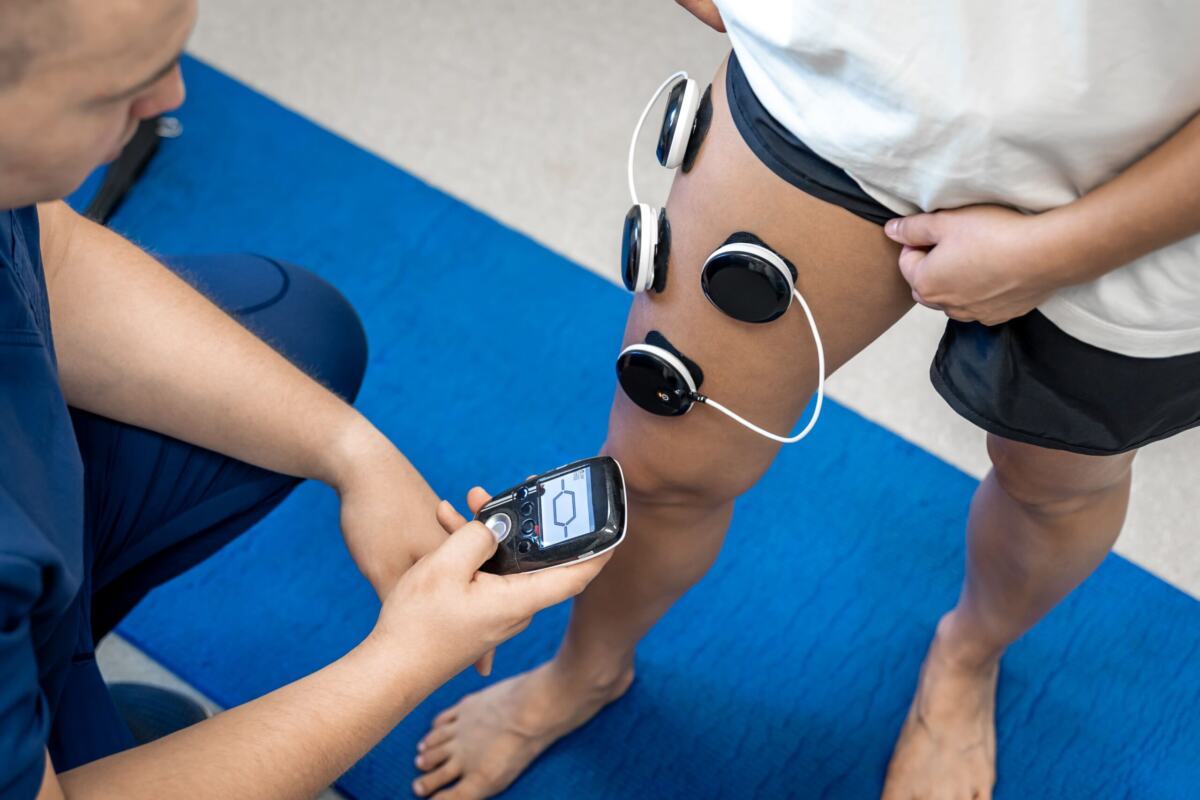
Starting to exercise is a good decision at almost any age. Regular physical activity reduces the risk of cardiovascular disease, stroke, type 2 diabetes, and premature death, and also improves sleep, mood, and endurance. But there is an important detail: before starting training, it is useful not only to buy a uniform and a subscription, but also to understand whether your body is ready for it. This is exactly why you need a sports check-up.
A sports check-up does not necessarily mean a large package of expensive tests. In most cases, it starts with simple things: a brief assessment of your well-being, past illnesses, blood pressure, pulse, weight, old injuries, and symptoms that may occur during exercise. A medical examination before sports is needed not to create unnecessary barriers, but to detect risks to the heart, lungs, joints, and general condition in time.
Who should especially get checked before training?
If you haven't exercised in a while, have a chronic illness, or are unsure about your fitness, it's best to start with a health assessment rather than an intense workout. This approach is especially important for people with high blood pressure, obesity, diabetes, heart or lung disease, or those who have previously fainted, experienced chest pain, or experienced severe shortness of breath during exercise. Even general guidelines for adults recommend talking to your doctor first if you haven't exercised in a while or have a medical condition or concern.
Particular attention should be paid to those who have a family history of fainting during sports, sudden death during physical exertion, serious heart disease at a young age, or severe rhythm disturbances. The pre-sports examination includes questions about family history, fainting, dizziness, chest pain, and difficulty breathing during exercise.
Where to start first
The easiest and most useful way to start is to check your blood pressure. High blood pressure often has no symptoms, which is why people can go years without knowing about the problem. Meanwhile, strength training, high-intensity workouts, or a sudden return to sports with uncontrolled blood pressure is not the best idea. If your blood pressure hasn't been measured for a long time, this is where you should start your sports check-up.
The second step is to honestly assess your initial fitness. How much time do you actually exercise each day? Can you climb stairs easily? Are you short of breath even when walking? Do you experience palpitations or chest tightness at a normal level? These are not “minor complaints,” but important signals that determine whether you can start with moderate activity on your own or whether it is better to get checked out first.
What symptoms should not be ignored before starting?
There are several signs that you shouldn't immediately go to the gym and start running or lifting weights. The most important of them are chest pain or pressure, fainting, dizziness, severe shortness of breath that is not consistent with exertion, palpitations with malaise, pain in the calves when walking, as well as shortness of breath or cough that sharply increases during training. These are the symptoms that require a medical evaluation before starting intensive training.
Separately, you need to be attentive to old injuries. If you have already had serious problems with your back, knees, ankles, shoulders or concussions, this does not mean that sports are prohibited. But it does mean that the load should not be selected randomly. The pre-sports examination includes an assessment of bones, joints, strength, flexibility and posture.
What is usually included in a sports check-up?
In its basic form, a sports check-up is not as complicated as it seems. It most often includes a medical history, blood pressure and pulse measurement, weight and height assessment, heart and lung examination, joint and posture examination, and clarification of any medications, supplements, or sports stimulants a person is taking. This examination is very similar to a regular preventive examination, but with an emphasis on a safe start to physical activity.
| What to check | Why is this needed? |
|---|---|
| Blood pressure and pulse | In order not to miss hypertension or severe rhythm disturbances |
| Complaints during loading | To detect risks to the heart and lungs in time |
| Weight, height, waist circumference | To assess the overall risk and select the starting load |
| Heart and lungs | To understand whether there are any obvious contraindications to intensive training |
| Joints, back, posture | To avoid exacerbating old injuries or weaknesses |
| Medications, supplements, stimulants | To take into account the impact on blood pressure, heart rate and training safety |
This does not mean that everyone needs to take the difficult tests. For many people, this is enough to safely start with moderate activity.
What tests may be useful?
There is no universal package of tests “for sports”. But in practice, before starting training, it often makes sense to have baseline indicators if a person has not been tested for a long time or has risk factors. Most often, this is a general blood test, glucose, sometimes glycated hemoglobin, lipid profile and creatinine. Such tests help not so much to “give permission to do sports,” but to understand the initial state of the body — whether there is anemia, problems with sugar, kidneys, or pronounced cardiovascular risks. This is especially important for people with excess weight, hypertension, a family history of diabetes or heart disease.
If the goal is not just to “be active,” but to begin intensive training, marathon training, heavy weight training, or returning to sports after a long break, such basic tests can provide a useful starting point. But it is important not to turn a sports check-up into an endless list of random tests.
Does everyone need an electrocardiogram?
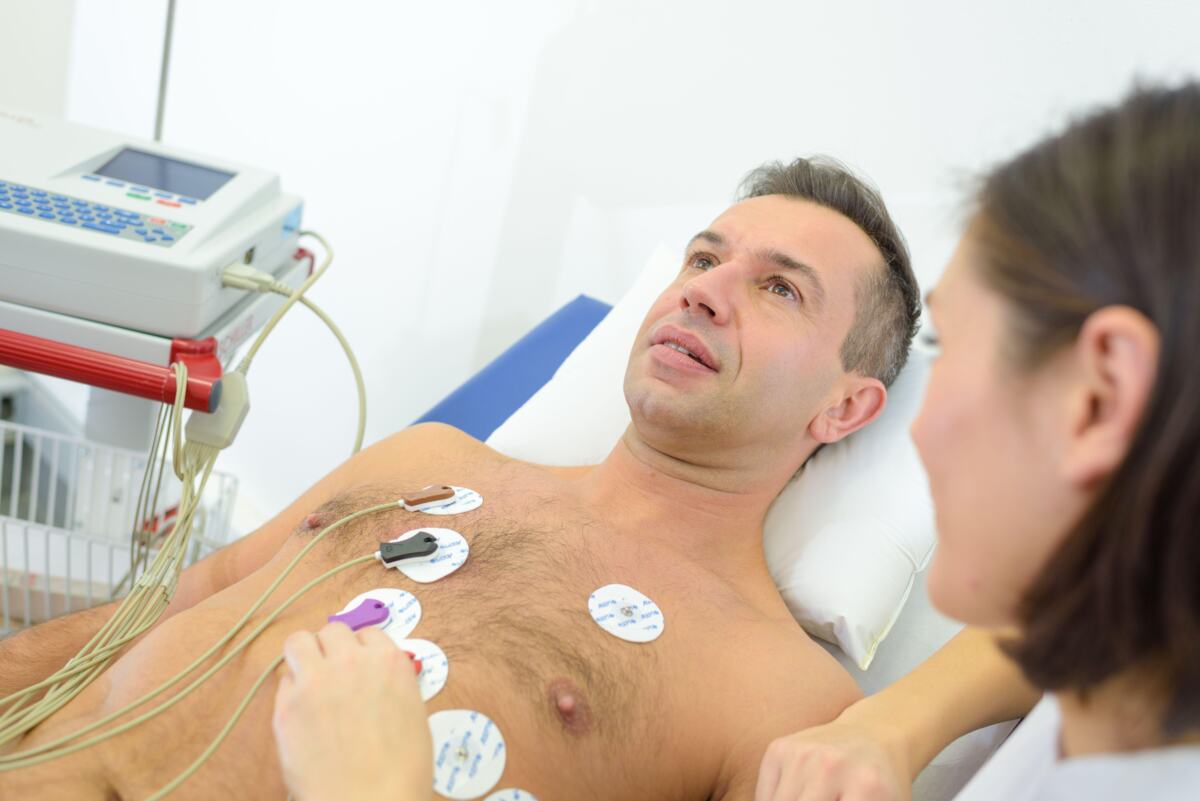
No. An electrocardiogram is not automatically mandatory for every person who decides to start exercising. It becomes more appropriate if there are symptoms, suspected heart problems, fainting episodes, palpitations, chest pain, or a significant family history. If the person is young, asymptomatic, and without known diseases, the decision to have an electrocardiogram is better made not “just in case,” but after talking to a doctor.
The same goes for the stress test. It is not done for everyone before their first visit to the gym. It is needed in specific situations when you need to assess the heart's response to physical exertion or to deal with symptoms.
If strength training is planned
Before strength training, it is worth carefully assessing the pressure, back, joints, old injuries and technical readiness for the load. The problem is often not that a person “cannot do sports”, but that he starts too abruptly and with an inappropriate weight. If there is already pain in the lower back, knees, shoulders or hernia, it is useful not to just give up tests, and discuss the starting training format with a doctor or rehabilitation specialist.
In such cases, the most dangerous thing is not the sport itself, but the wrong approach to it. Therefore, a sports check-up before strength training is also about choosing a safe start, and not just about the numbers on the form.
If there has been no physical activity for a long time
After a long break, the body should be “returned to motion” gradually. Even general recommendations for adults emphasize that activity and its intensity should correspond to your level of fitness, and it is better to increase the load gradually. This is especially important if you have hardly exercised before, have a sedentary job, or have gained weight.
In such a situation, a sports check-up is needed not to “allow or forbid” training, but to choose the right starting point. Sometimes it is safer to start with walking, basic exercises with your own body weight, or calm endurance, than to immediately go into an intensive cardio or heavy strength program.
What you usually don't need to do all at once
Before starting training, you don't need to automatically take all possible hormones, tumor markers, dozens of vitamins, or undergo a comprehensive examination for no reason. This approach rarely makes starting sports safer, but often results in incidental findings that only scare and delay the start of activity. In most cases, a normal basic examination, blood pressure measurement, risk assessment, and a few targeted tests are more useful, if they make sense.
What is important to remember
A sports check-up is not needed to scare a person before training, but to start moving safer and smarter. In most cases, a basic examination, blood pressure control, symptom assessment and targeted risk analyses are enough. However, if there is chest pain, fainting, severe shortness of breath, palpitations or a significant family history, it is better not to start intensive exercises on your own. The right start in sports is not weakness or excessive caution, but normal health care.

Director of Medi Lab Plus LLC, a doctor of the highest category. Has over 45 years of practical experience in medicine and laboratory diagnostics. Founder and head of the laboratory since 2007. More details…

