
What is prohibited before tests: how to properly prepare for laboratory tests
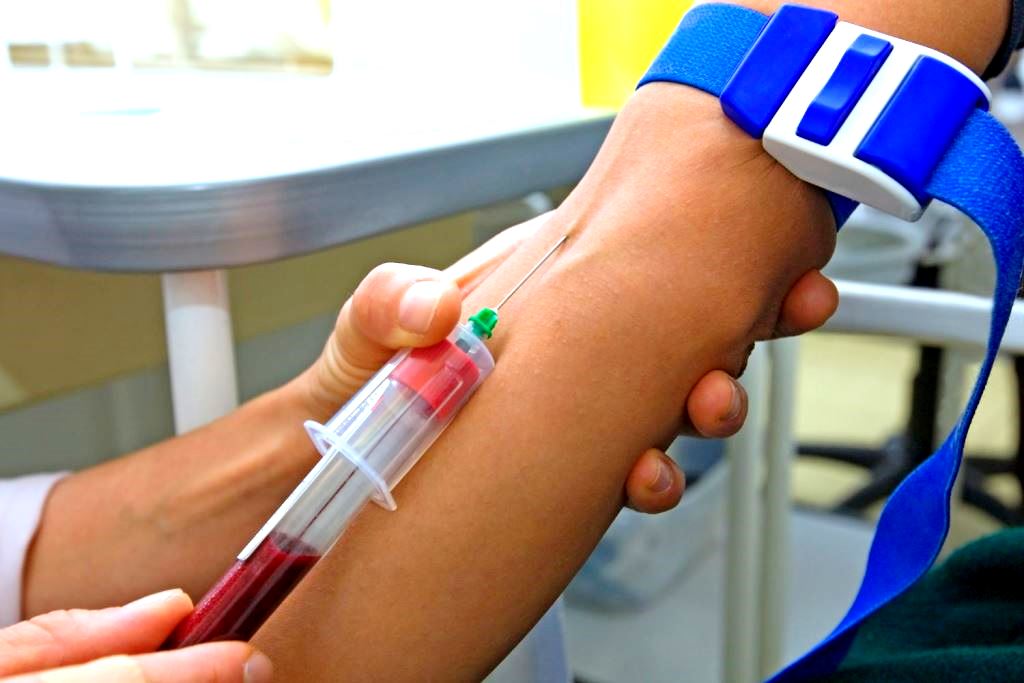
Why preparation for tests matters for the accuracy of results
Laboratory studies is an important tool in modern medicine. However, even the most modern equipment does not guarantee an accurate result if the patient is not properly prepared for the test. That is why the question What is prohibited before tests? is one of the most common among patients.
Many factors can affect blood, urine, or other biomaterials. Nutrition, exercise, smoking, alcohol, and even stress can alter laboratory values and create a false picture of the body's condition.
Proper preparation allows you to obtain the most reliable results and avoid the need for repeated examinations.
Main actions that are prohibited before taking tests
Before most laboratory tests, it is recommended to adhere to certain restrictions. The most important of these relate to lifestyle on the eve of the analysis.
Common prohibitions include:
eating before the test blood (if the test is performed on an empty stomach)
alcohol 24–48 hours before the examination
intense physical activity
smoking immediately before taking the test
taking certain medications without consulting a doctor
Such factors can alter blood glucose, hormone, enzyme, or lipid levels.
Food before tests: when to donate blood on an empty stomach
Most biochemical studies are conducted on an empty stomach. This means that approximately 1 hour should pass between the last meal and blood donation. 8–12 hours.
It is not recommended to consume:
fatty food
sweet drinks
coffee
energy
Only a small amount of clean water is allowed.
Food can affect the following indicators:
glucose
triglycerides
liver enzymes
Therefore, failure to follow this recommendation may result in inaccurate results.
Alcohol and tests: why you need to abstain
Alcohol significantly affects blood biochemical parameters. It can alter liver function, water-salt balance, and metabolism.
Alcohol is prohibited for at least 1 hour before laboratory tests. 24 hours, and for some tests, up to 48 hours.
Use alcohol can cause:
increased liver enzymes
change in glucose levels
lipid profile disorders
changes in blood clotting parameters
That is why doctors recommend completely giving up alcohol before tests.
Smoking before laboratory tests
Smoking can also affect lab test results. Nicotine and other components of tobacco smoke can alter hormonal balance, glucose levels, and blood circulation.
Before taking the tests, it is recommended do not smoke for at least 1–2 hours.
Smoking can affect:
cortisol level
glucose concentration
vascular tone indicators
According to recommendations World Health Organization, even short-term lifestyle changes before tests can significantly affect laboratory test results.
Physical activity and its impact on results
Intense physical activity before taking the test is also undesirable. Training or heavy physical work can change the levels of enzymes, hormones, and even blood cells.
Before the examination, it is recommended to avoid:
training in the gym
running
hard physical labor
Physical activity can increase:
creatine kinase
lactate
level stress hormones
Therefore, it is better to ensure the body is at rest before laboratory tests.
Medications before tests
Some medications can affect the results of laboratory tests. This is especially true for:
hormonal drugs
antibiotics
anti-inflammatory drugs
vitamins and supplements
If a person is taking medication continuously, it is necessary to inform the doctor or laboratory about this. You cannot stop treatment on your own.
Common mistakes before taking tests
Even with general adherence to recommendations, patients often make typical mistakes.
Among them:
drinking coffee before the test
active physical activity before the procedure
insufficient sleep
severe stress
All of these factors can affect hormonal and metabolic parameters.
How to properly prepare for a laboratory test
To ensure the results are as accurate as possible, it is recommended to:
take tests in the morning
come to the laboratory on an empty stomach
avoid alcohol the night before
do not smoke before the procedure
avoid physical exertion
Following these rules helps to obtain reliable laboratory data.
Question What is prohibited before tests? is important for the accuracy of laboratory diagnostics. Nutrition, alcohol, smoking, physical activity, and medication can affect the results of tests and distort the real picture of the body's condition.
Proper preparation for tests allows the doctor to obtain reliable information about the patient's health and choose the optimal tactics for further examination or treatment.

Director of Medi Lab Plus LLC, a doctor of the highest category. Has over 45 years of practical experience in medicine and laboratory diagnostics. Founder and head of the laboratory since 2007. More details…

