
World Hemophilia Day: from the "royal disease" to modern laboratory diagnostics
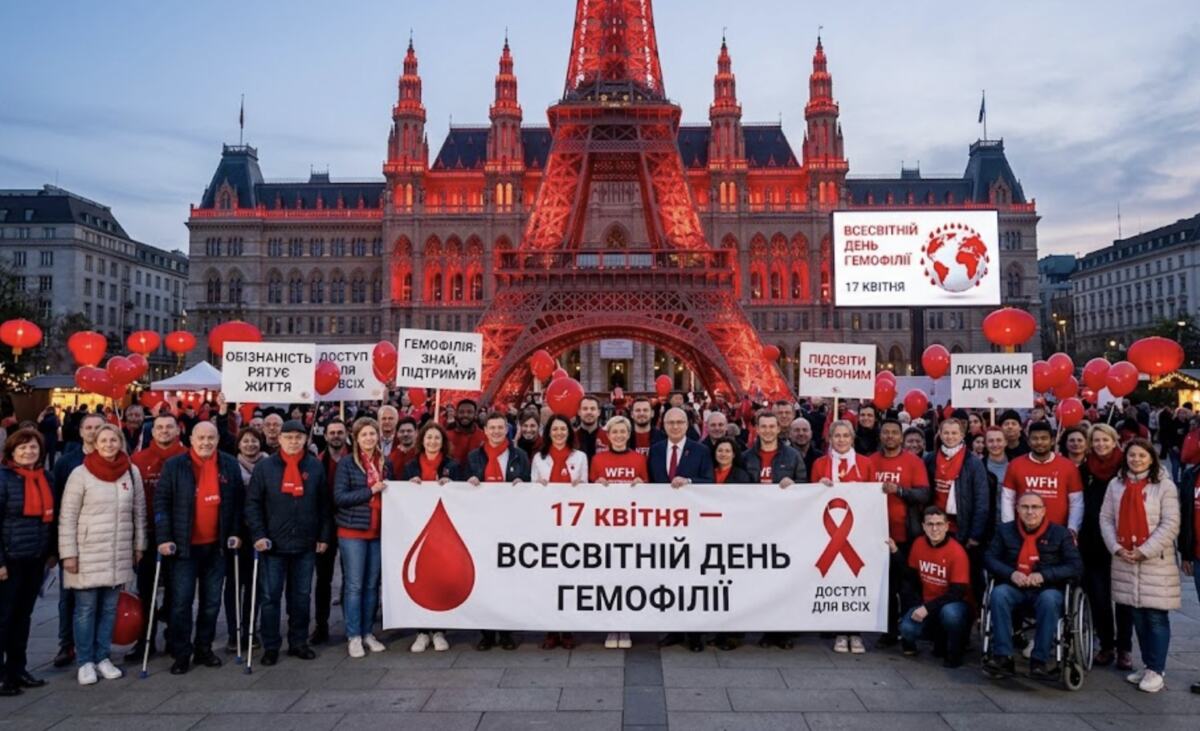
World Hemophilia Day: from the "royal disease" to modern laboratory diagnostics
Annually April 17 At the initiative of the World Health Organization (WHO) and the World Federation of Hemophilia (WFH), the medical community celebrates World Hemophilia Day.
The main goal of this day is to draw public attention to the problems of people with blood clotting disorders, improve their access to quality medical care, and raise awareness of this rare disease among the population.
🩸 Why April 17? Interesting facts from history and the "royal trail"«
The date of the celebration was chosen in honor of the birthday Frank Schnaibel — the founder of the World Federation of Hemophilia, who dedicated his entire life to protecting the interests of patients with this disease.
In the history of medicine, hemophilia is forever engraved under the name «"royal disease"».
The most famous carrier of this genetic disorder was the British Queen Victoria. Through the dynastic marriages of her children and grandchildren, the disease spread to the royal families of Germany, Spain, and the Russian Empire. In particular, the only son of Emperor Nicholas II, Tsarevich Alexei, suffered from hemophilia. In those days, the disease was a death sentence: there was no cure, and any internal bleeding or a simple bruise after a fall could be fatal for a child.
📊 Hemophilia in numbers: types and statistics of the disease
Hemophilia is a hereditary disease caused by a mutation in genes that causes a lack of certain proteins in the blood plasma called clotting factors. The disease is transmitted through the X chromosome, so It mostly affects men., while women are most often only carriers of a "broken" gene.
| Type of disease | What factor is missing? | Frequency of occurrence | Features |
|---|---|---|---|
| Hemophilia A (classical) | Factor VIII (8) | 1 case per 5,000 – 10,000 newborn boys | The most common form, which accounts for about 80-85% of all cases in the world. |
| Hemophilia B (Christmas disease) | Factor IX (9) | 1 case per 20,000 – 34,000 newborn boys | It is much less common. It is named after the first patient in whom it was studied, Stefan Christmas. |
| Hemophilia C (rare form) | Factor XI (11) | Extremely rare | It can occur in both men and women. It is usually mild. |
🔍 Main symptoms and the role of a modern laboratory
You can suspect a violation of the hemostasis (blood clotting) system based on the following typical signs:
- The appearance of large, deep bruises and hematomas even from minor injuries or touches;
- Prolonged bleeding after cuts, injections, or tooth extractions;
- Frequent spontaneous nosebleeds;
- Hemorrhages in large joints (knees, elbows), accompanied by severe pain and swelling.
Today, hemophilia is no longer a death sentence. Modern medicine allows patients to lead full, active lives thanks to replacement therapy with clotting factor concentrates. However, it remains critically important timely laboratory diagnostics.
The main screening tool is coagulogram (comprehensive study of blood clotting functions). In hemophilia, laboratory technicians record an isolated prolongation of the indicator ACTH (activated partial thromboplastin time) with a completely normal platelet count. To definitively confirm the diagnosis, accurate tests to determine the activity level of specific factors VIII and IX.
Timely laboratory testing and hemostasis monitoring is the main step to safety and health confidence in in any life situations.

Head of the clinical diagnostic laboratory of Medi Lab Plus LLC, Master of Biochemistry with over 15 years of management experience. Monitors compliance of research with international EUCAST protocols and ISO 15189 standard. Acts as a medical editor of the site materials. More details…

