
Urine analysis: instructions for preparing for an accurate result
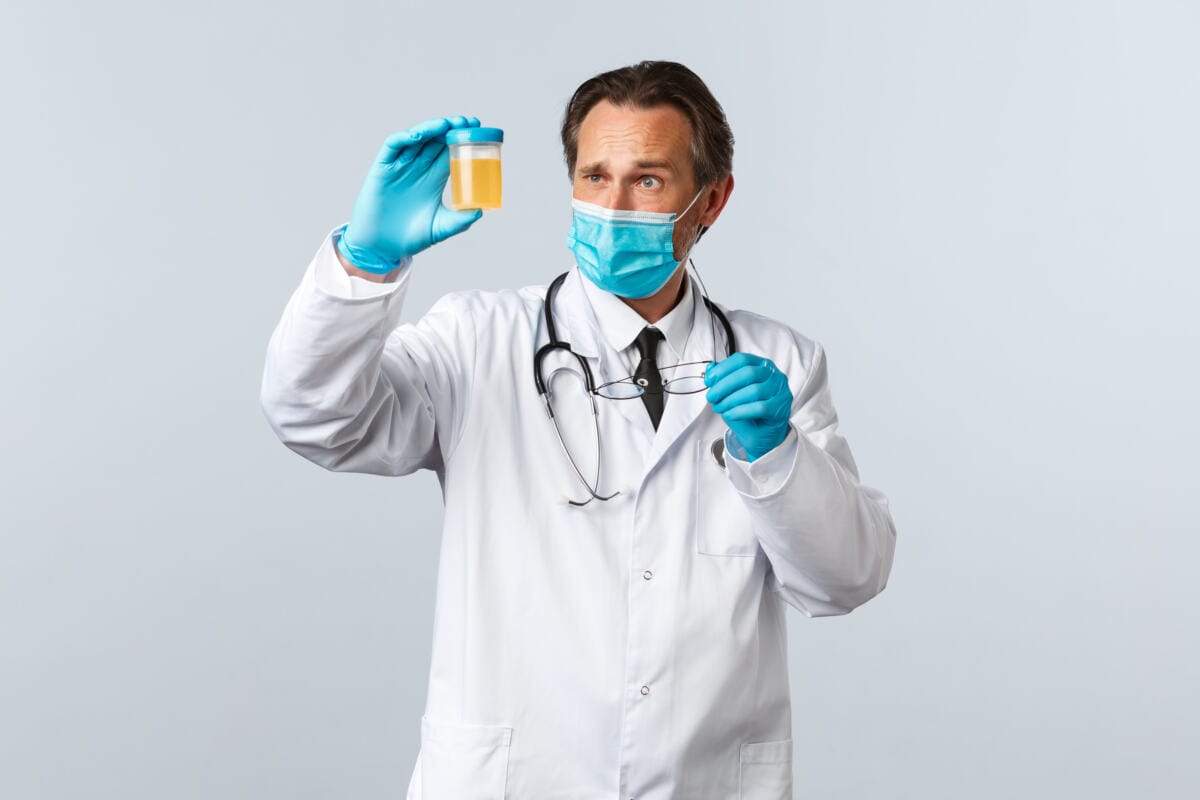
Urinalysis is a common and simple test that can tell you about the functioning of the kidneys, liver, cardiovascular system, hormonal levels, and even hidden inflammation. It is prescribed during a preventive examination, when infections, chronic diseases are suspected, as well as before surgery or during pregnancy. However, to obtain a reliable result, it is extremely important to prepare properly — and this stage is often underestimated.
Why even bother urinating?
Urine is the end product of blood filtration, which is formed in the kidneys. It contains:
minerals (sodium, potassium, calcium)
metabolic products (urea, creatinine)
proteins, glucose (normally in small amounts or absent)
cells (leukocytes, erythrocytes)
bacteria (in infections)
Even a single morning urine sample can give your doctor important information about your health.
Types of urine tests and what is important about them
General urine analysis (ZAS)
Going morning average urine
Color, transparency, specific gravity, pH, protein, glucose, ketones, bilirubin, urobilinogen, erythrocytes, leukocytes, epithelium are determined.
Inflammation, diabetes, kidney problems, metabolic disorders can be detected
Analysis according to Nechyporenko
Determined number of uniform elements (leukocytes, erythrocytes, cylinders) in 1 ml of urine
Allows for more accurate diagnosis of pyelonephritis, glomerulonephritis, cystitis
Cannot be donated during menstruation or if there is discharge
Daily urine analysis
All urine is collected over a 24-hour period (except the first morning void).
Hormones, daily excretion of protein, calcium, phosphorus, creatinine are determined.
Requires careful collection, storage in the refrigerator, and accurate accounting of quantities
Urine culture (bacteriological examination)
Needed sterile container, it is advisable to collect urine with a catheter or through a medium portion
The presence of pathogenic microflora and sensitivity to antibiotics are determined.
It is important not to take antibiotics before the test.
Preparation: the day before the analysis
1. Nutrition:
Do not consume foods with dyes (beets, carrots, rhubarb, carbonated drinks)
Limit salty, smoked, fatty foods
Avoid alcohol
Don't overeat protein foods - this can increase protein in urine
2. Medications:
If possible, stop taking diuretics, vitamin C, iron, and antibiotics.
If you take medication regularly, be sure to tell your doctor - he will take this into account when interpreting the results.
3. Behavior:
Avoid physical activity, training, and hot baths — this affects mineral composition and protein.
Avoid sexual contact — especially before getting tested for infections
Urine collection step by step
In the morning, immediately after waking up, perform hygiene of the external genitalia (without soap, only with warm water).
Take it. sterile pharmacy container (not a jam jar).
Flush the toilet for the first 1–2 seconds of urination.
Collect medium portion (approximately 50–100 ml).
Close the container without touching the lid from the inside.
Sign the container (name, date, time of collection).
Deliver to the laboratory within 1–2 hours. Do not store in the sun or heat.
What else to consider
Menstrual period in women — it is better to postpone the analysis or use a swab
For children — use special urine collectors (for babies)
Daily urine — stored in the refrigerator at a temperature of +4…+8°C
Sowing — is being prepared before starting antibiotic treatment
The importance of following the rules
Ignoring the recommendations can lead to:
false positive result (e.g. protein due to exercise)
unreliable diagnosis
retake the analysis
prescribing unnecessary treatment
In 20–30% cases, test results are distorted precisely due to improper sample preparation or collection.
A urinalysis is a simple test that, when properly prepared, can be a powerful diagnostic tool. Be careful and the results will truly reflect your health.

Director of Medi Lab Plus LLC, a doctor of the highest category. Has over 45 years of practical experience in medicine and laboratory diagnostics. Founder and head of the laboratory since 2007. More details…

