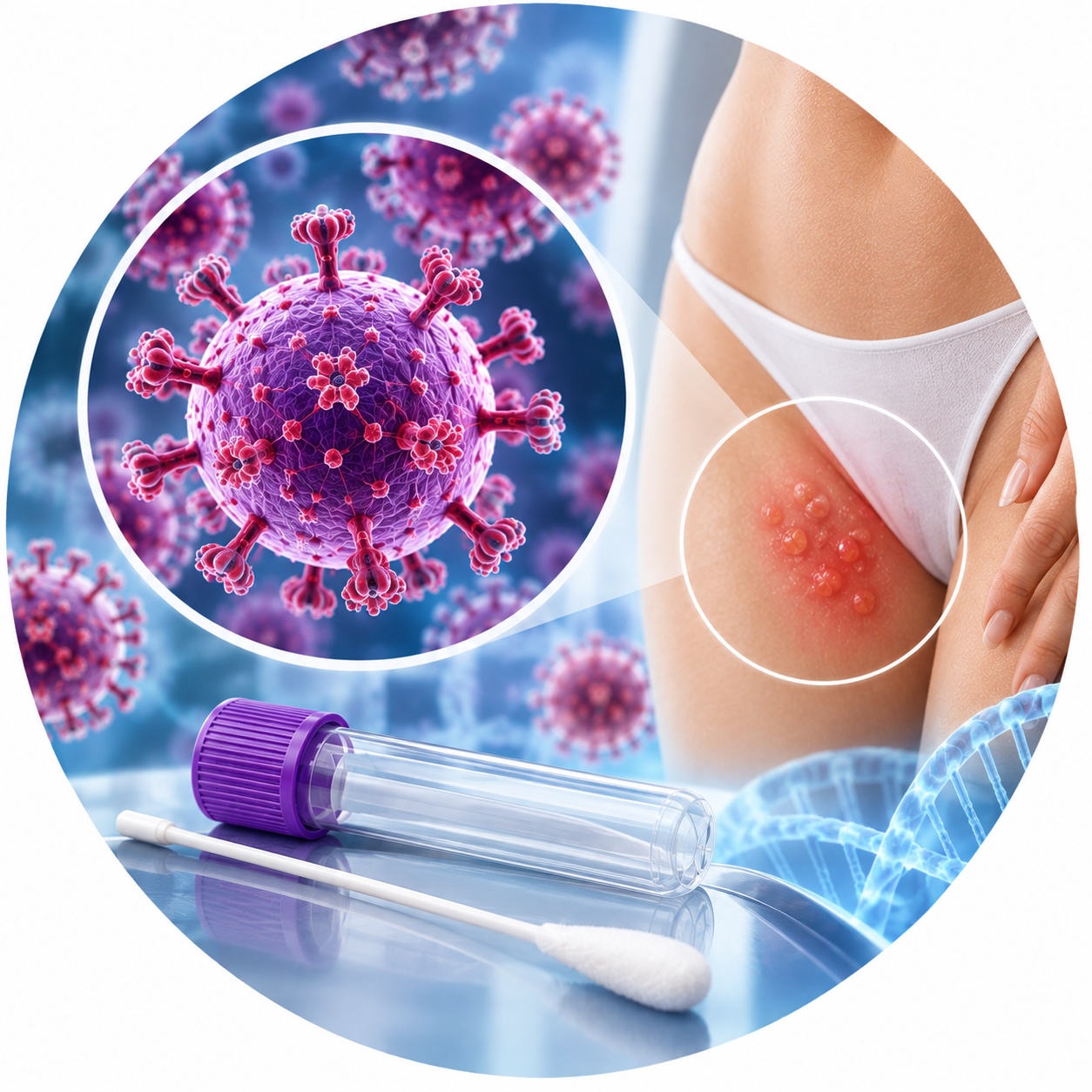
Herpes simplex virus (HSV-2) (scrape)
540 UAH
Infection panel/Herpes virus infection
Real-time PCR (PCR) – qualitative determination. (The study is carried out only at the address: Kam'yanets'ka, 106)
Description
Rules for preparing patients for urinalysis in men
– Abstain from sexual intercourse for 3 days.
– Refrain from alcohol and spicy food for 3 days.
– Submit the material for examination before, or no earlier than 14 days after the end of the course of medical therapy (antibacterial and antifungal drugs), unless otherwise recommended by the doctor.
– Refrain from using local medications and procedures during the day.
– Immediately before taking the test, refrain from urinating for 2-3 hours.
Rules for preparing patients for a vaginal scraping in women
– Abstain from sexual intercourse for 3 days.
– Refrain from alcohol and spicy food for 3 days.
– Submit the material for examination before, or no earlier than 14 days after the end of the course of medical therapy (antibacterial and antifungal drugs), unless otherwise recommended by the doctor.
– During the day, refrain from using local dosage forms (suppositories, ointments, douches, contraceptives, etc.) and intimate hygiene products containing bactericidal additives.
– If the scraping will be performed from the urethra, do not urinate for at least 3 hours before taking the material.
– The material cannot be donated during menstruation (only 3 days after its end).
Herpes virus infection: HSV-2 and the infectious panel
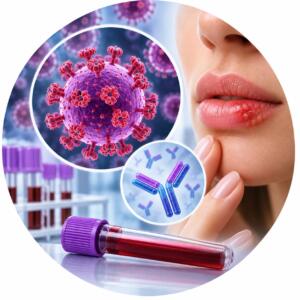
Herpesviruses are a broad group of viruses that cause herpes infections in humans and animals. One of the most common types of herpesviruses in humans is herpes simplex virus type 2 (HSV-2), which often causes genital herpes. Let's review the main aspects of HSV-2 herpes and the role of infection panels in the diagnosis and management of this infection.
Herpes virus type 2 (HSV-2):
- Virus characteristics: HSV-2 is a double-stranded DNA virus that belongs to the herpesvirus family. It is transmitted primarily through contact with infected genital secretions during sexual contact.
- Symptoms of genital herpes: Genital herpes can manifest as painful sores, rashes, itching, and burning in the genital area. The infection can be primary or recurrent, with flare-ups and remissions.
- Virus transmission: Herpes is transmitted through direct contact with infected areas of skin or mucous membranes. The virus can also be passed from mother to newborn during childbirth.
- Diagnosis of infection: Genital herpes is usually diagnosed using polymerase chain reaction (PCR) to detect the virus's genetic material in blood or mucosal samples. Another method is the aforementioned infectious panel.
Infection panel:
- Purpose of the infection panel: An infection panel is a set of tests used to detect and identify infectious agents, including herpes viruses. It helps doctors accurately diagnose infections and choose the right course of treatment.
- Composition of the infectious panel: An infection panel may include various tests such as PCR, immunodiffusion, immunochemical tests, and other methods. For HSV-2 herpes, the detection of specific antibodies or genetic material of the virus is important.
- Advantages of an infection panel: It allows for rapid and accurate detection of infections, which helps healthcare providers respond to infectious diseases in a timely manner and prevent their spread.
- Treatment of genital herpes: Treatment for HSV-2 herpes involves taking antiviral medications that help reduce the duration and severity of flare-ups and shorten periods of remission.
Conclusion:
Herpes simplex virus type 2 (HSV-2) is a serious infection that requires accurate diagnosis and timely treatment. Infection panels play an important role in identifying infections and provide doctors with the information they need to prescribe effective treatment. It is important to consult a specialist if you suspect genital herpes and follow the recommendations to prevent transmission of the virus.
Additional information
| Execution time | 1 day |
|---|---|
| Type of biomaterial | Urogenital scraping |