
New tests for infections: what methods have appeared, how are they better and when to choose them
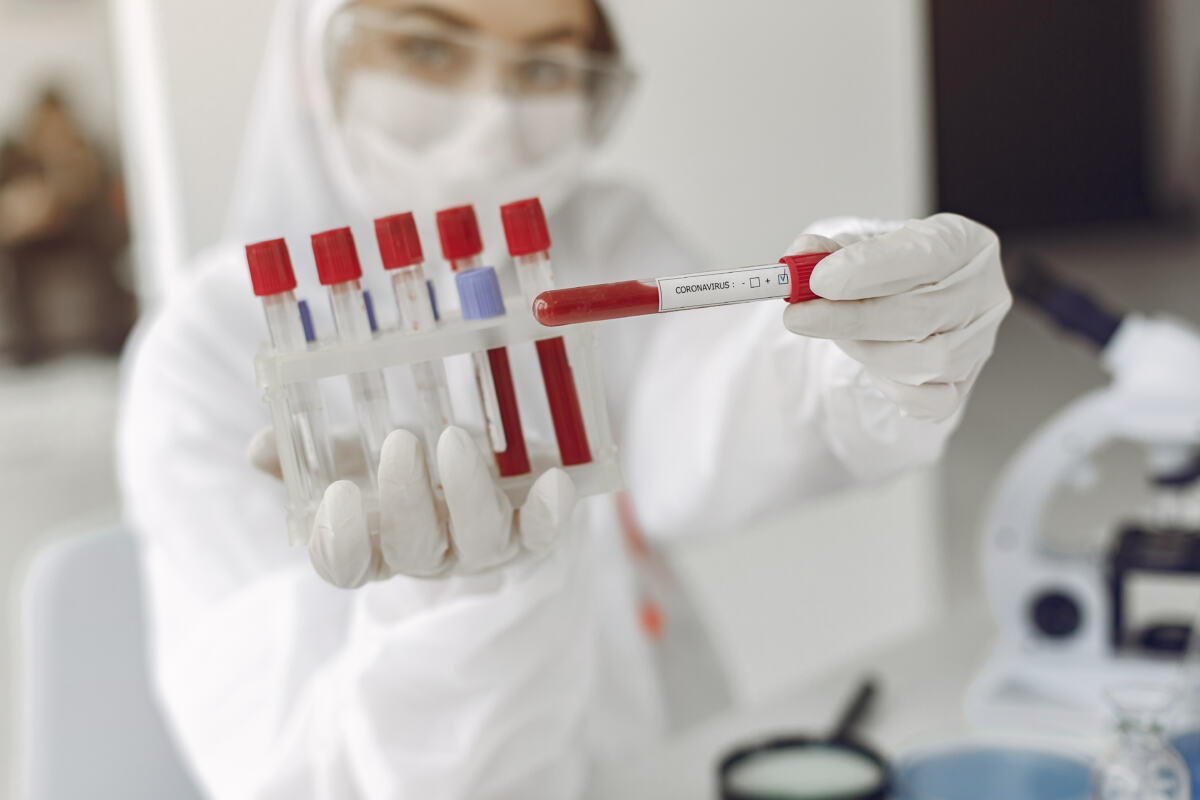
New tests for infections are not a «fashionable option,» but a real advance in laboratory diagnostics: faster identification of the pathogen, higher sensitivity in the early stages of the disease, the ability to test for many pathogens at once with a single test. For the patient, this means less time in uncertainty, more precise treatment tactics, and fewer unnecessary antibiotics where they are not needed.
Modern diagnostics of infections is increasingly based on molecular methods (NAAT/PCR) as the standard for confirming acute infection in appropriate clinical situations.
What exactly are considered "new infection tests"?«
This term usually refers to technologies that provide one or more of the following benefits:
detect the DNA/RNA of the pathogen (not just the body's immune response)
test for many pathogens at the same time (multiplex panels)
give results quickly (sometimes within an hour)
work in complex cases where standard methods are ineffective
When new tests really provide maximum benefit
There are typical situations where modern methods are particularly valuable:
acute respiratory symptoms when it is necessary to distinguish flu, RSV, COVID-19 and other viruses
a persistent cough or fever for no apparent reason
acute diarrhea, especially if it is important to quickly identify the pathogen
suspicion of STIs, when accuracy and correct choice of therapy are critical
immunodeficiency states and hospitalization, where an error in diagnosis costs time
Five technologies most often meant by "new"«
1) Molecular tests (NAAT/PCR)
These are methods that look for the genetic material of the pathogen. They are often most sensitive during the acute phase if the material is taken correctly.
An important principle of the quality of molecular tests: systems with multiple «targets» better retain their effectiveness when viruses mutate.
2) Multiplex (syndromic) panels
A multiplex panel is a «one-sample, many-pathogen» test. For example, a respiratory panel can simultaneously detect dozens of viruses and bacteria that cause similar symptoms.
Mayo Clinic Laboratories describes multiplex PCR panels capable of qualitatively detecting DNA/RNA of 22 pathogens in approximately 1 hour depending on the sample type.
3) Rapid antigen tests
It's not always the "latest", but technology are constantly being improved. Their strength is speed. Weakness is lower sensitivity compared to PCR in some scenarios, especially if the test is done late.
4) CRISPR diagnostics
This is a molecular approach where CRISPR systems help detect the nucleic acids of a pathogen. An example is the CRISPR test for SARS-CoV-2, which received emergency authorization from the FDA under the EUA.
For the patient, the practical meaning is this: this is a promising direction of rapid molecular testing, but the specific choice depends on availability and indications.
5) Metagenomic sequencing (mNGS)
This is a «no-hypothesis» method: it looks for a wide range of pathogens in a sample. It is most often used in complex cases where standard approaches have failed to provide an answer. The results require very careful clinical interpretation (it is important to distinguish infection from the incidental presence of DNA).
Comparison of new infection tests
| Method | What does it find? | Strength | Where it works best |
|---|---|---|---|
| NAAT/PCR | DNA/RNA of the pathogen | High sensitivity | Early stages, confirmation of diagnosis |
| Multiplex panel | Many pathogens at once | Fast + wide coverage | Unknown pathogen in typical syndrome |
| Antigen test | Pathogen proteins | Very fast | Initial screening in the first days |
| CRISPR | DNA/RNA | Potentially fast and accurate | When available and indicated |
| mNGS | Very wide range | «"The Last Argument"» | Complex/atypical cases by referral |
How to choose a test so as not to overpay and waste time
Step 1. Formulate the main question
Need to quickly understand which pathogen caused your symptoms? Choose PCR or a panel.
Need a quick screening here and now? An antigen test could be a start.
Is the condition persistent and the cause unclear? Consider advanced approaches as prescribed by your doctor.
Step 2. Consider the «age» of the symptoms
The time from symptom onset affects the informativeness of the analysis. Molecular tests are often most useful in the acute period, and sometimes a combination of approaches is needed.
Step 3. Choose the right biomaterial
Even the most accurate technology can give an incorrect result if the sample is not collected properly. For respiratory panels, the quality of the swab and the compliance of the sample type with the laboratory's methodology are critical.
Common mistakes that reduce the value of even the most advanced test
doing an "expensive panel" without indications when a targeted test is sufficient
testing too early or too late without taking into account the dynamics of infection
not to report antibiotics/antiviral drugs (this is important for further tactics)
interpret the result without the clinical context of symptoms and examination
Who should especially choose modern tests?
New infection tests are most warranted for:
young children and older people
patients with chronic lung, heart, and kidney diseases
people with immunodeficiency states
people with severe symptoms or needing hospitalization
situations where it is important to quickly identify the pathogen for proper treatment
Modern laboratory diagnostics of infections works best when the test is tailored to a specific clinical task. If symptoms, timing, and type of biomaterial are properly taken into account, new tests for infections help to get an answer faster, more accurately identify the pathogen, and more calmly go from the first symptoms to recovery.

Director of Medi Lab Plus LLC, a doctor of the highest category. Has over 45 years of practical experience in medicine and laboratory diagnostics. Founder and head of the laboratory since 2007. More details…

