Skip to navigation
Skip to main content
-10% 🎉 for following me on Instagram! 📸
-10% 🎉 for following me on Instagram! 📸
-10% 🎉 for following me on Instagram! 📸
Search
Get results
EN
EN
UK
RU
0
items
0
UAH
Menu
EN
EN
UK
RU
Analyses
Department
Preparation
About us
News
Analysis interpretation and preparation
Diseases and symptoms
Immunity and prevention
Women's health
Men's health
Vitamins and trace elements
News Medi Lab Plus
Search
Diagnosis of gastrointestinal diseases
Showing 13–24 of 32 results
Show sidebar
Show
9
12
24
Default sorting
Sort by popularity
Sort by average rating
Sort by latest
Sort by price: low to high
Sort by price: high to low
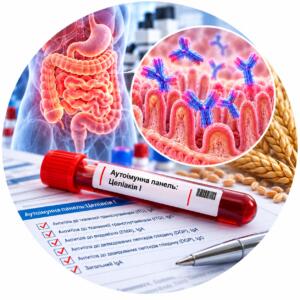
Autoimmune Panel: Celiac Disease I
1,000
UAH
Add to cart
Autoimmune Panel: Celiac Disease II
1,000
UAH
Add to cart
Determining lactase deficiency – Benedict's Test
280
UAH
Add to cart
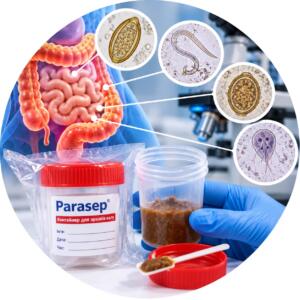
Detection of intestinal parasites and their eggs
200
UAH
Add to cart
Detection of intestinal parasites and their eggs + transport container (Parasep)
250
UAH
Add to cart
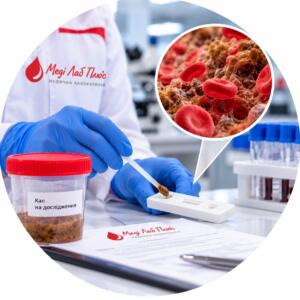
Detection of occult blood in stool
200
UAH
Add to cart
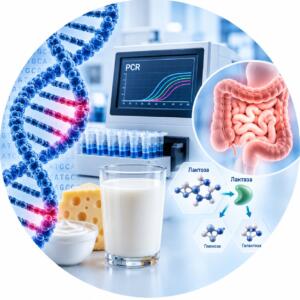
Genetics. PCR. Lactose Metabolism (Determination of lactase deficiency)
650
UAH
Add to cart
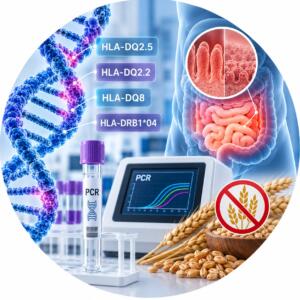
Genetics. PCR. Extended genetic marker of celiac disease HLA-DQ2.5, HLA-DQ2.2, HLA-DQ8, HLA-DRB1*04
1,940
UAH
Add to cart
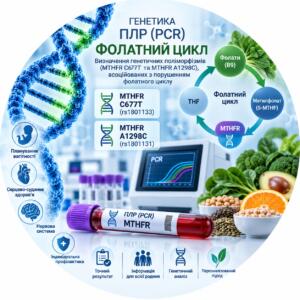
Genetics. PCR. Folate cycle (Determination of genetic polymorphisms (MTHFR C677T and MTHFR A1298C) associated with folate cycle disorders)
1,300
UAH
Add to cart
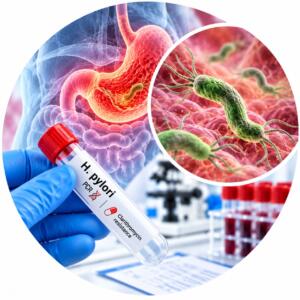
PCR. Helicobacter pylori DNA – qualitative determination
800
UAH
Add to cart
PCR. Helicobacter pylori DNA with determination of Clarithromycin resistance – qualitative determination
1,350
UAH
Add to cart
Enterobiasis
200
UAH
Add to cart
Close
Search
Analyses
Department
Preparation
About us
News
Analysis interpretation and preparation
Diseases and symptoms
Immunity and prevention
Women's health
Men's health
Vitamins and trace elements
News Medi Lab Plus
Login / Register
Shopping cart
Close
Analyses
Filters
0
items
Cart
Results