
Sources of infections
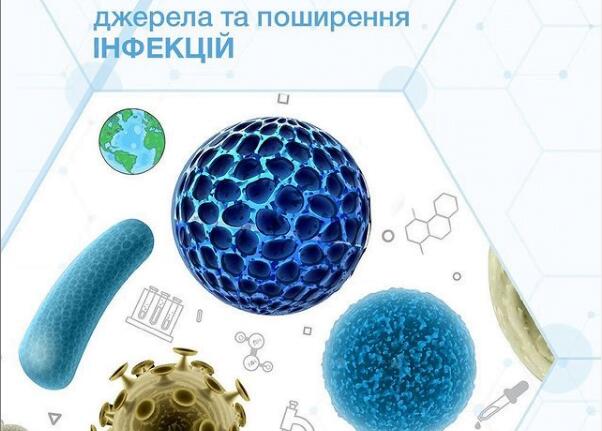
👩🏼🔄🪱To properly understand the relationship between the microbial world and humans, it is necessary to know the different ways microbes live and the degree of their dependence on humans.
🔺 There are some microorganisms whose interaction with humans is extremely important for their spread. While for other microorganisms, the human population is of less importance, and they prefer to spread in other species of living beings or in the environment.
So, 🔆source of infection (S.I.)🔆 are microbiocarriers or sick people, animals, rarely plants, inanimate objects infected with infectious disease pathogens (viruses, bacteria, recessia, protozoa, fungi, helminths, ticks and other pathogenic parasites), their waste products (toxins), pathogenic proteins (prions), which are transmitted from infected individuals to healthy ones and are capable of mass spread.
❗️That is, in D.i. the pathogen accumulates and is released from it in large quantities, which in turn can spread to other types of populations.
❗️Thus, it should be noted: the danger from animals as D.i. depends on the frequency and degree of human contact with this species and the extent of human use of products made from the specified species. But the danger from humans as D.i. depends on the type of disease, which are divided into:
🧫 Dangerous infectious diseases characterized by severe or persistent health disorders in individual patients and posing a danger only to their life and health;
🧫 Infectious diseases are particularly dangerous, characterized by severe and persistent health disorders in a significant number of patients, with a high mortality rate, the rapid spread of these diseases among the population, etc.
🔬 The most objective method of establishing D. i. is microbiological studies and, first of all, the isolation of an identical, by any markers, culture from the alleged source and the diseased species, infected with an infectious disease agent to determine the degree of danger and mass spread of infection.

Head of the clinical diagnostic laboratory of Medi Lab Plus LLC, Master of Biochemistry with over 15 years of management experience. Monitors compliance of research with international EUCAST protocols and ISO 15189 standard. Acts as a medical editor of the site materials. More details…

