
Infection panel

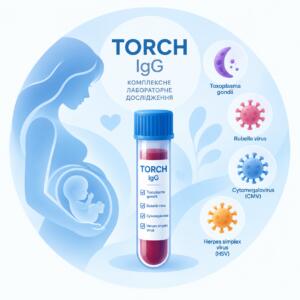
“TORCH infections, IgG” – comprehensive laboratory test
Original price was: 1,400 грн.1,330 UAHCurrent price is: 1,330 грн.
“TORCH infections: IgM, IgG” – a comprehensive laboratory study
Original price was: 2,800 грн.2,500 UAHCurrent price is: 2,500 грн.
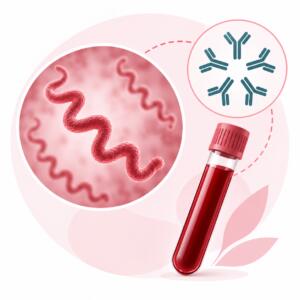
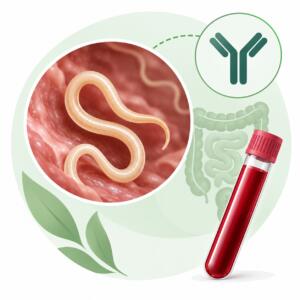
Comprehensive laboratory tests for viral, bacterial and fungal infections at the Medi Lab Plus laboratory help to quickly establish an accurate diagnosis. Timely diagnostics allows the doctor to quickly select effective therapy and prevent the development of dangerous complications.
The importance of timely diagnosis of infectious diseases
Laboratory studies of the infectious panel are aimed at identifying pathogens and determining the stage of the pathological process. Modern high-precision methods allow diagnosing both acute forms of diseases and latent or chronic carriage, which often occurs without obvious symptoms.
Main types of infectious panel tests
This category of content includes tests for the most common pathogens. The modern laboratory performs tests for viral hepatitis A, B, C, HIV, as well as TORCH-complex infections, which are of critical importance during pregnancy planning and management. The panel also includes diagnostics of urogenital infections, respiratory and intestinal diseases of bacterial or viral origin.
Advanced techniques are used to study biomaterial:
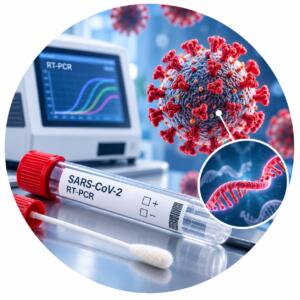
PCR method — polymerase chain reaction, which detects the direct presence of DNA or RNA of a specific pathogen in the body.
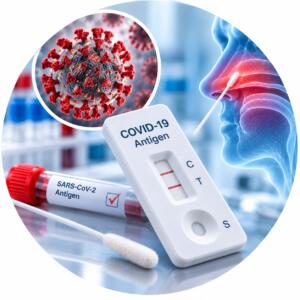
ELISA method — enzyme-linked immunosorbent assay, which determines the presence and concentration of specific antibodies of different classes (IgM, IgG), indicating the acute phase or established immunity.
Rules for preparing for taking tests for infections
To ensure maximum accuracy of results, it is necessary to follow basic medical recommendations before visiting the laboratory department.
Most blood tests are performed strictly in the morning on an empty stomach. The day before the biopsy, it is necessary to completely exclude alcohol consumption, limit fatty foods, and avoid heavy physical exertion.
If you are currently taking antibacterial, antiviral, or immunomodulatory drugs, you should definitely consult with your doctor about the optimal timing of taking the test, as medications can affect the accuracy of laboratory results.

