
Tests after casual sexual contact: what to do and when to take them

After casual sexual contact, people most often make one of two mistakes: either they take all the tests the next morning, or, on the contrary, they postpone everything “for later”, hoping that if there are no symptoms, then there is no problem. In fact, the correct tactic is to calmly assess the risk, not to miss the first hours for emergency prevention and to take the tests at those times when they will be truly informative. Many sexually transmitted infections may not cause symptoms for some time, so you should not focus only on your well-being.
What is important to do in the first 72 hours
If the contact was risky for OX, it is important not to wait for test results but to seek medical attention as soon as possible. The CDC emphasizes that HIV post-exposure prophylaxis, or PEP, should be started no later than 72 hours after possible exposure, and that it is generally not recommended after that time. The sooner a person seeks help, the better.
Hepatitis B is worth mentioning separately. If a person is not vaccinated or has no confirmed protection, and the contact was with a partner with known or suspected hepatitis B, post-exposure prophylaxis makes the most sense as early as possible, preferably within 24 hours; for sexual contact, the effective window should not exceed 14 days. Hepatitis B vaccination remains the best method of prevention.
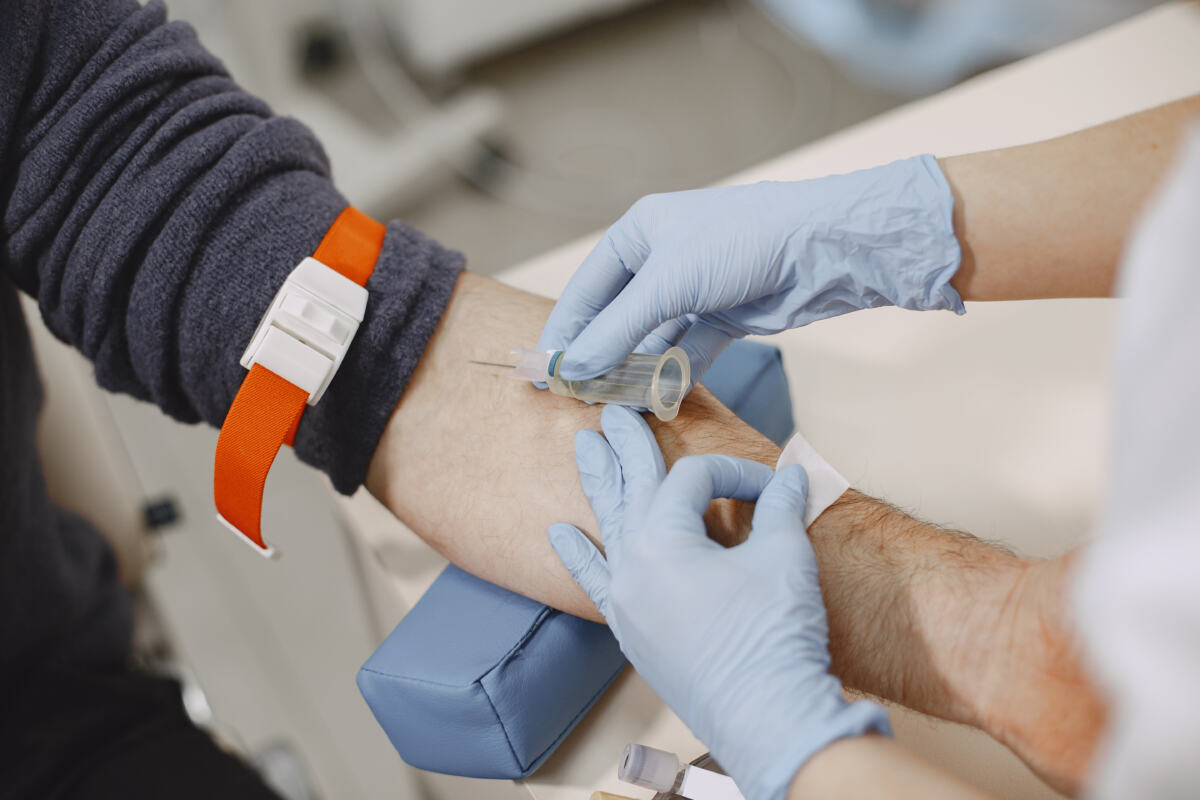
What tests are usually discussed after casual sexual contact?
The most common tests are for chlamydia, gonorrhea, HIV, and syphilis. The format of the test depends on your symptoms and the type of exposure: for chlamydia and gonorrhea, a urine or swab test is often used, and for HIV and syphilis, a blood test is used. If there are sores, a rash, discharge, pain, or other symptoms, your doctor may recommend an extended or earlier test.
It is important to understand the difference between “taking a test” and “getting a reliable result.” After contact, there is a so-called testing window — a period when the infection could have already been transmitted, but the test has not yet had time to show it. That is why testing too early can be reassuring, wrongly.
When do which tests become more informative?
| Analysis | When it is often advised to be given without symptoms | What is important to remember |
|---|---|---|
| Chlamydia, gonorrhea | in about 2 weeks | the test may not detect the infection earlier |
| OX | often from 45 days, sometimes the first check earlier depending on the test | The time frame depends on the type of test; sometimes a repeat is required. |
| Syphilis | often from 4–6 weeks, sometimes monitoring up to 12 weeks | a false negative result is possible with an early test |
| Hepatitis B/C | as indicated after consulting a doctor | timing and volume depend on risk and vaccination |
For chlamydia and gonorrhoea, many NHS services advise around 2 weeks after exposure. For HIV, the timeframe depends on the type of test: for venous blood tests, up to 45 days is often suggested, but for some tests or to definitively rule out infection, a longer interval may be needed. For syphilis, different services give 4–6 weeks as an early point for testing, but sometimes recommend retesting later, up to 3 months. If you have symptoms, you should seek treatment sooner rather than waiting for the “right day”.
If symptoms appeared earlier
You should not wait until the “right time” if you have discharge, pain when urinating, a rash, ulcers, lower abdominal pain, fever, swollen lymph nodes or any other unusual symptoms. In such cases, NHS sex clinics advise you to contact them earlier, as the doctor can take tests immediately, and in some situations even start treatment until the final result is known.
Do you have to submit “everything at once”?”
Not always. The smartest approach is to discuss with your doctor or sexual health clinic what tests are needed in your situation, taking into account the time since exposure, symptoms, vaccination against hepatitis B and the possibility of HIV exposure. Routine screening often includes chlamydia, gonorrhea, HIV, and syphilis, but not every situation requires the same amount of testing on a single day.
What else is important after such contact?
While you wait for the right time to get tested or get your results, it's important not to take any new risks. If the exposure was potentially dangerous, it's a good idea to discuss safer behaviors with your doctor before getting tested, and in the case of repeated risk situations, consider pre-exposure prophylaxis (PrEP). The CDC considers PrEP to be an effective prevention option for people who may be at regular risk of contracting HIV through sex.
The most important thing after casual sexual contact is not to try to guess everything yourself based on symptoms or forums. If less than 72 hours have passed since the contact and there is a risk of HIV, act urgently. If there are no symptoms, but you want to get tested, focus on the testing window, not on calendar convenience. And if something is alarming, don't wait - early consultation is always better than late reassurance.

Director of Medi Lab Plus LLC, a doctor of the highest category. Has over 45 years of practical experience in medicine and laboratory diagnostics. Founder and head of the laboratory since 2007. More details…

